
The District You Use Without Noticing
Fushimi sits between Nagoya Station and Sakae. You've probably passed through it dozens of times without thinking about it. That's what it's for.
This isn't a neighborhood you visit for atmosphere. It's where the city does its serious work—courts, banks, corporate headquarters, government offices. But it's also home to Nagoya's best museums and one of the city's most important transit connections. Understanding Fushimi means understanding how Nagoya actually functions.
This matters more if you live here, work here, or stay long enough to need efficiency over novelty.
What It Is
If Nagoya Station handles arrivals and Sakae handles entertainment, Fushimi handles everything in between. It's the administrative and cultural center—the place where weekday gravity pulls hardest.
Walk around on Tuesday at noon and you'll see suits, briefcases, lunch crowds spilling out of teishoku shops. Come back Saturday evening and the streets feel quieter. That contrast tells you what Fushimi is: a working district that knows its role.
Why the Station Matters
Fushimi Station is one of Nagoya's critical transfer points. The Higashiyama Line (yellow) runs east-west through here—the main artery connecting Nagoya Station to Sakae. The Tsurumai Line (blue) runs north-south, giving access to Osu and the residential areas.
If you're changing subway lines in central Nagoya, you're probably doing it at Fushimi. For residents, this becomes your north-south lifeline—work commutes, Osu runs, museum Sundays. Learn this station early.
The Museum Core
Here's what most guides miss: Fushimi is Nagoya's cultural center, not Sakae.
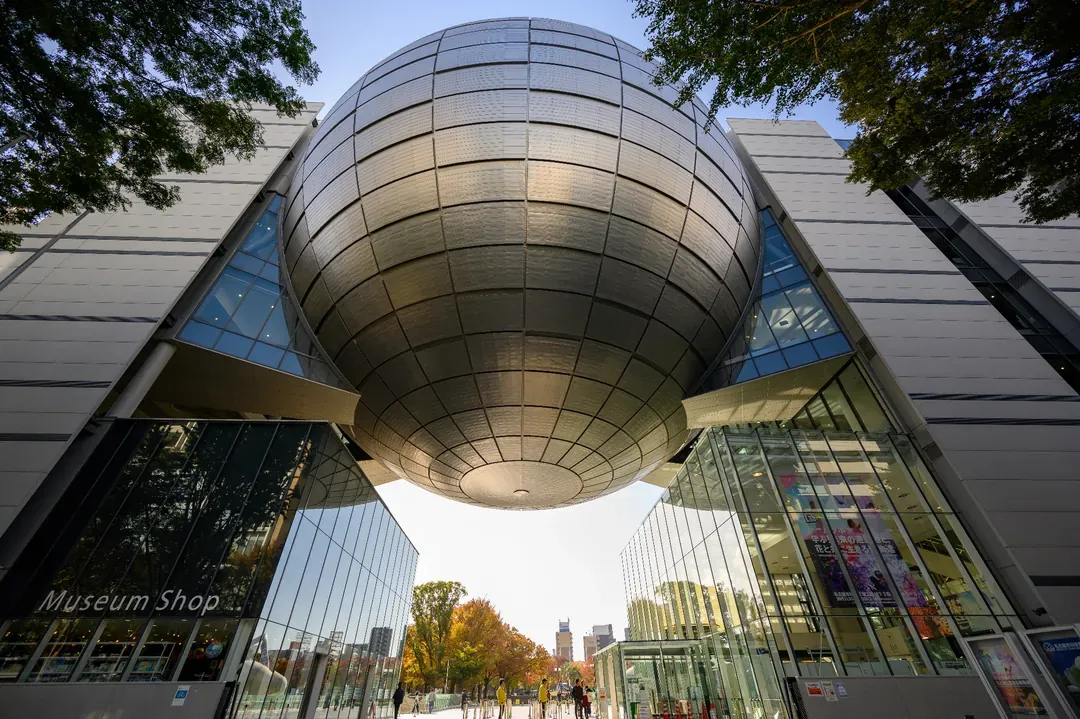
Nagoya City Science Museum anchors the district with its massive silver dome—home to one of the world's largest planetarium domes. It's family-friendly but genuinely impressive, the kind of place that works for curious adults as much as kids. The building itself is a landmark you can orient yourself by.
Nagoya City Art Museum sits nearby, focused on modern and contemporary work. Japanese and international exhibitions rotate through. It's quieter than Tokyo's major museums, which means you can actually spend time with the art instead of shuffling past crowds.
Shirakawa Park physically connects both museums and gives the area breathing room. Office workers eat lunch there on weekdays. Families spread out on weekends. It's not dramatic, but it works.
This triangle of culture gives Fushimi something Sakae doesn't have: calm, serious space for thinking.
Eating Here
Fushimi's food culture runs on office workers, which shapes everything.
Lunch is strong. Curry houses, miso-nikomi udon, soba counters, competent Western-style cafés. Places open early, serve fast, price fairly. You're here for efficiency and value, not destination dining. That's not a weakness—it's the point.
Evenings shift the dynamic. Many lunch spots close. What remains: small izakaya, business-dinner restaurants, a few long-running bars with regulars. It's for weekday dinners, not weekend crowds. If you want nightlife, walk to Sakae. If you want a quiet drink after work, Fushimi delivers.
Staying Here
Fushimi is home to the Nagoya Kanko Hotel (one of the city's longest-established hotels, known for hosting official functions) and the Nagoya Hilton (international-standard business hotel with conference facilities). Both offer central access with less neighborhood noise than Sakae. You're trading local character for transit convenience and calm evenings.
What Fushimi Does
Fushimi is not a shopping destination, not a nightlife hub, not a historic walk, not a must-see attraction.
It is: central, useful, calm, reliable, easy to navigate.
That distinction matters. Visitors trying to "do" Fushimi like a sightseeing district will be disappointed. People who understand its role—transit connection, museum access, weekday lunch options, quiet base—will use it well.
Fushimi works best for visitors staying multiple days who want central access without Sakae's intensity. It suits families visiting the Science Museum or Art Museum, conference and exhibition attendees, and residents who prioritize easy transit over neighborhood character. Anyone who needs to move efficiently between Meieki, Sakae, and Osu will find themselves using Fushimi whether they plan to or not.
How It Connects
Fushimi's compact. The Science Museum is a 5-minute walk from the station. Sakae is 10 minutes on foot. Osu takes about 15 minutes walking. Nagoya Station is 3 minutes by subway. This makes Fushimi valuable as infrastructure—you can reach anywhere from here.
The Weekday/Weekend Split
Understanding Fushimi means understanding its rhythm.
Weekdays: Intense from 7:00-18:00. Lunch spots packed. Streets full of purposeful movement. The district hums with workplace energy.
Weekends: Museums draw families, but office buildings go quiet. Streets calm down. The neighborhood's functional nature shows through—peaceful rather than empty.
Neither mode is better. Just different. Pick your timing based on what you're after.
Street Character
Mid-rise office towers. Banks. Institutional buildings. Wide, practical streets. Orderly layouts.
Fushimi doesn't perform. It doesn't try to charm you. The architecture reflects what happens inside: serious work, daily operations, reliable service.
If you're looking for Nagoya's personality, check Osu or Kakuozan. If you're looking for where Nagoya runs its operations, you're already here.
Practical Notes
Station exits: Multiple exits serve different areas. Exit 5 for the museums. Exit 1 for the main business district. Learn which exit you need before you surface.
Timing: Visit museums on weekdays if you want smaller crowds. Weekends bring families but museum staff is used to managing flow.
What You Need to Know
Most visitors will pass through Fushimi multiple times without recognizing the name. That's fine. Fushimi doesn't need recognition. It just needs to keep doing what it does: holding the center together while flashier districts grab attention. Use it for what it offers. Don't expect what it doesn't provide.
MAP

Nagoya Buzz
Events, local info, and humor for the international community of Nagoya, Japan.
Follow Nagoya Buzz :


Leave a Comment