
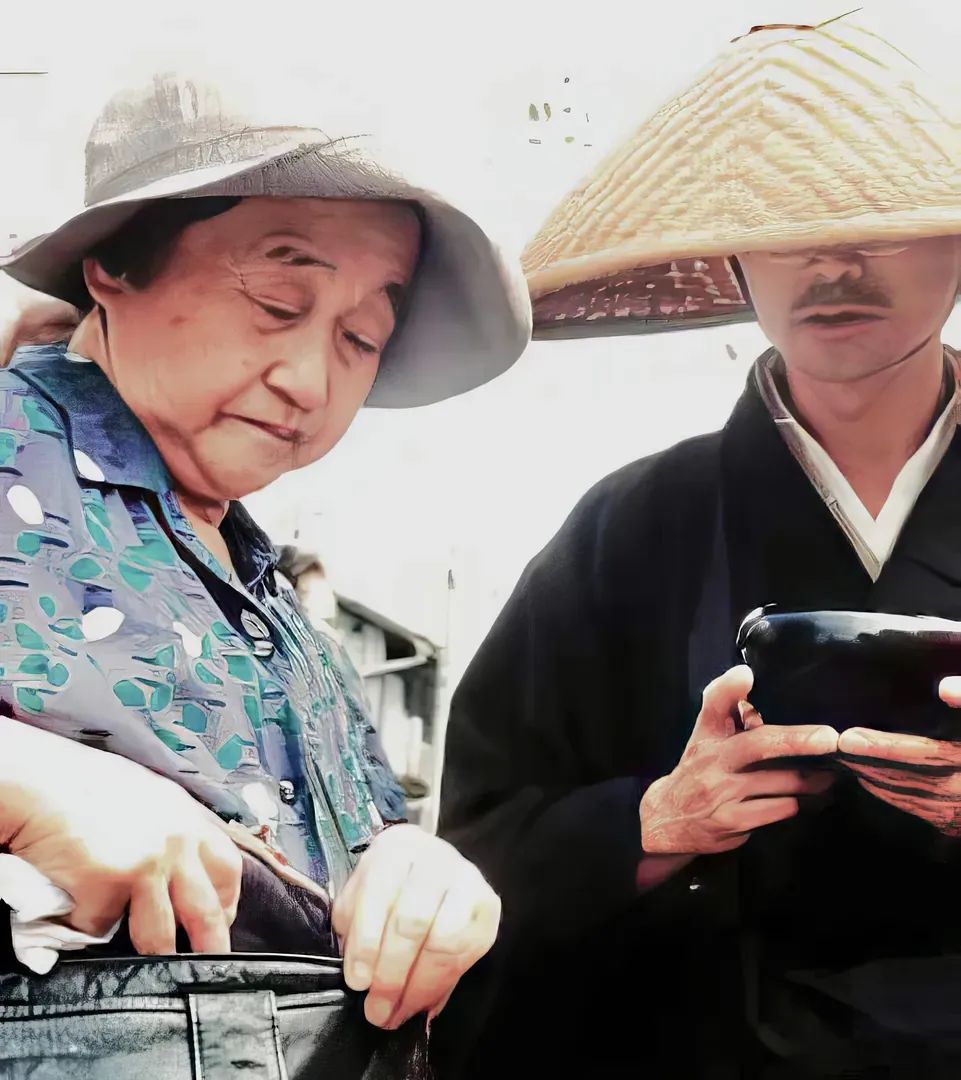
A Word for Frugal People
And the Judgment That Comes With It!
Every long-term expat in Japan can pinpoint the exact moment they became kechi. Maybe it was the day you realized a small Coke costs ¥160. Maybe it was the first time you walked an extra ten minutes to a different konbini because they give you more fried chicken with their bento.
Nobody moves to Japan planning to become the person who knows which supermarket marks down sashimi first, or which konbini runs better point multipliers on Tuesdays. And yet here you are, timing your shopping around hangaku like it’s a competitive sport.
This isn’t about money. Plenty of things here are cheaper than back home (anyone been to a dentist lately?). This is about optimization. About the quiet, deeply satisfying dopamine hit of getting the floor model discount — or pronouncing “Ōmori wa dekimasu ka?” just right and watching the extra gyoza appear.
Japan didn’t make you cheap. It just revealed your true nature when your salary got converted to yen and mysteriously shrank by 40%.
The following phrases won’t restore your dignity. But they will save you money.
“Awa nashi de”
This is what you say if you don’t want them to put a head on your beer. Awa means foam, and nashi means nothing. This one can have mixed results, though. Sometimes, they will just ignore your request or bring you a beer without the head but only partially filled!
“Makete moraemasu ka”
This literally means “Can you lose for me?” and is used when you want to get a discount. Makeru means ‘to lose,’ and morau means to receive. Use this expression in discount, second-hand, and small shops – but not in department stores!
“Omori”
This wonderful word will get you a heaping helping of ramen, soba, or curry for just one to two hundred yen more than the regular price. “Miso no Omori” can mean you want a large bowl of Miso Ramen.
I used to know a perpetually hungry Australian who would say, “Omori wa deskimasu ka?” no matter where he went. He often got an extra big portion for the regular price. It’s incredible what a gaijin can get away with!
“Tenjihin o kattara, yasuku nari- masu ka?”
Tenjihin means a floor model. You are saying, “If I buy the floor model, can you make it cheaper?”
2割
Have you ever seen a sign like this in the supermarket? A lot of people don’t understand it at all or think that it is just a 2% discount, but it actually means 20% off. Multiply the number in front of the kanji by ten, and that’s the discounted price.
半額
An even better kanji to learn is 半額 (hangaku), which means half-price. You see this at supermarkets and specialty stores all the time.
And about that Aussie...
That perpetually hungry Australian I mentioned? Last I heard, he’s married, owns a house somewhere in Gifu, and still asks “Ōmori wa dekimasu ka?” at every restaurant.
Like... even at MOS Burger.
He’s not broke. He is filthy rich... and he’s playing the game better than you are.
So go forth and makete morau — ask for the discount, the upgrade, the thing that wasn’t offered but might be possible. Learn these phrases. Feel the small, irrational rush of completeness when the clerk actually says... Hai!
Then come back and teach us the ones we missed.
This isn’t survival. This is blood sport. And whether you like it or not, you’re already playing.
Nagoya Buzz keeps track of events, exhibitions, food, and the small local patterns you only start noticing once you’ve been here a while. Some are useful. Some are odd. A few are both.
If you’re looking for something to do this week, our Events page lists live music, shows, and one-off happenings around the city.
#JapanLife #Kechi #JapaneseLanguage #日本語 #日本文化 #NagoyaBuzz

Doug Breté
Stirred, not shaken - by anyone or anything that drinks vodka martinis. Author of the forthcoming "Out of Breath - Kim Jung Un and the Baby of Svendalore."





Leave a Comment