
Nagoya's District of Drift
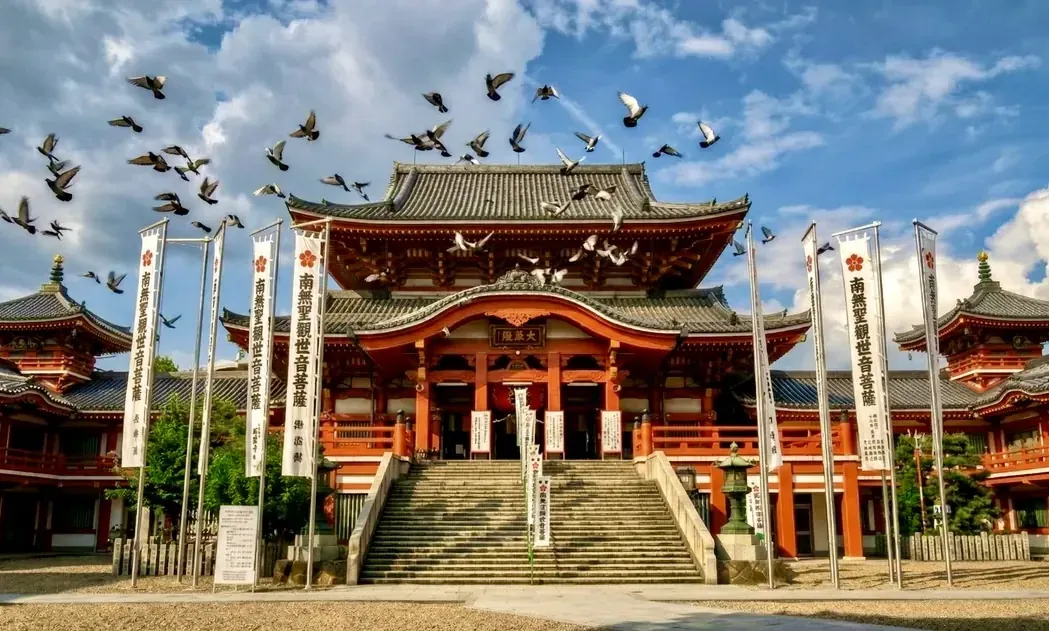
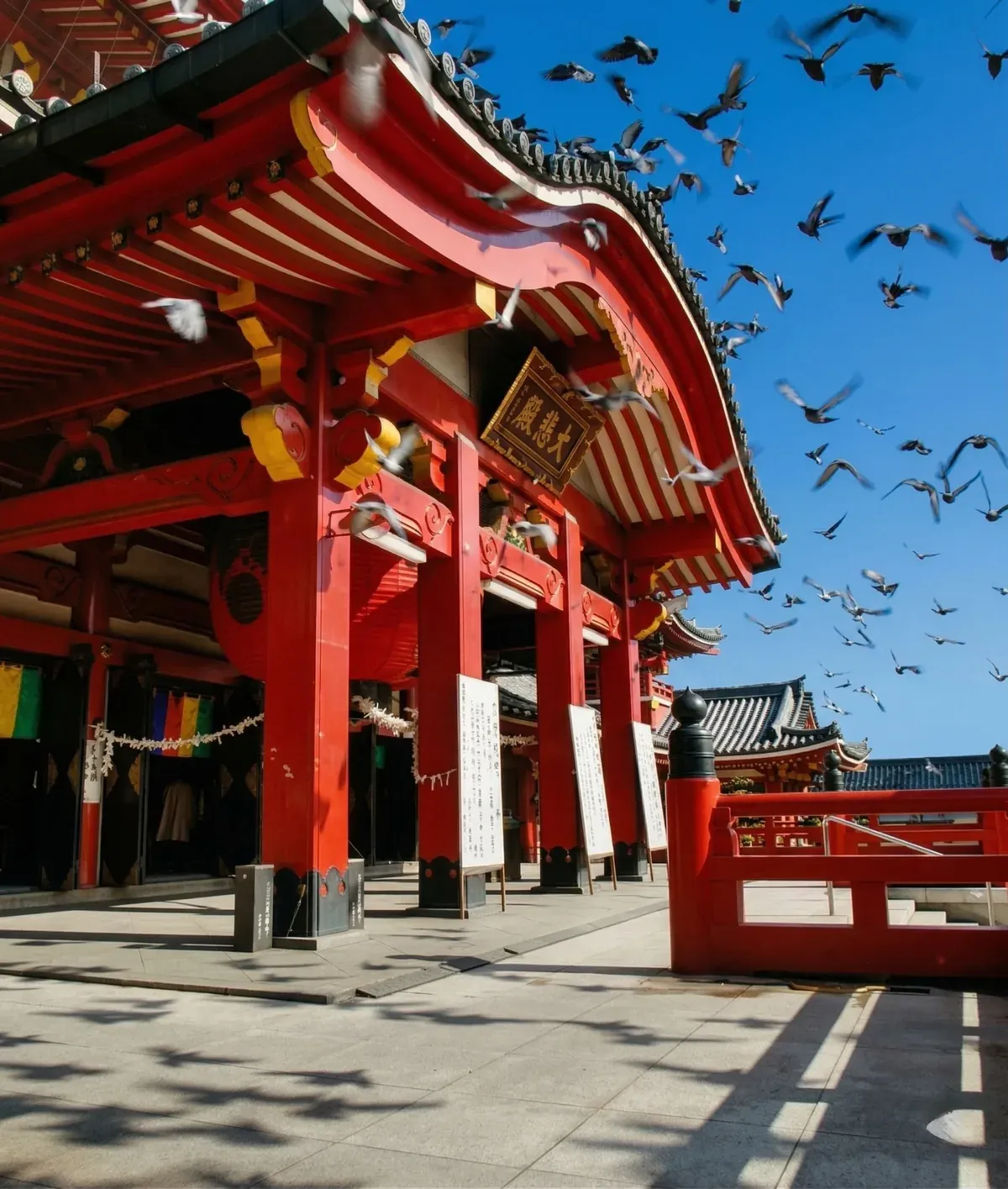
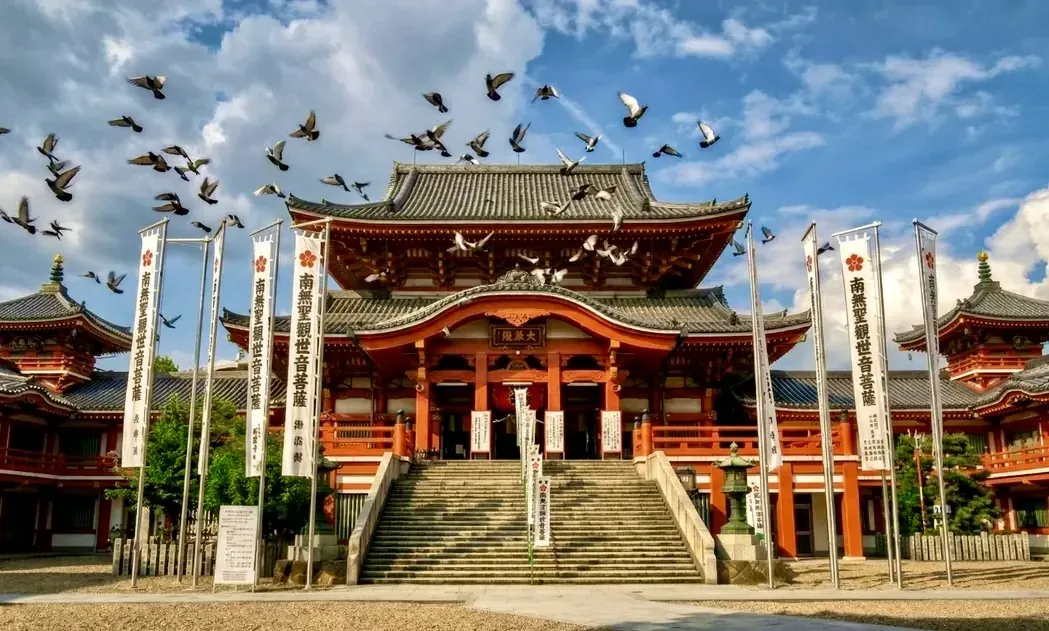
The vermilion façade of Ōsu Kannon Temple rises as you approach, pigeons banking around the eaves, incense drifting across the steps where people sit and eat. It is an arresting thing to walk toward — and then the covered arcade opens up beside it, and most people never quite make it back out when they planned to. That's Ōsu. The temple pulls you in. The arcades keep you.
The area is centered on the temple and the shopping streets that spread out around it to the north, east and west. The district mixes secondhand clothing, old electronics, street food, hobby shops, antiques, maid cafés, and the sort of small businesses that survive by being interesting rather than efficient.
There are more than 1,200 shops and restaurants across a dense network of covered shopping streets — things carried in from attics and warehouses, relics and curiosities from eras that don't map neatly onto the present, flavors from kitchens that have been in the same spot for decades, others brought here from every corner of the world.
The mix is not curated.
That's what makes it worth exploring.
You do not come to Ōsu for one landmark and leave. You come here to drift, double back, notice something odd upstairs, and stay longer than you meant to — or even realized you had.
A Little History
Ōsu Kannon Temple gave the district its reason to exist. Founded in 1333 in what is now Hashima, Gifu, the temple was moved here in 1612 on the orders of Tokugawa Ieyasu as Nagoya Castle and the surrounding town were taking shape. The pilgrims came first. The merchants, being merchants, were not far behind. Ōsu grew as a temple-front district, and the shops came with the foot traffic it attracted.
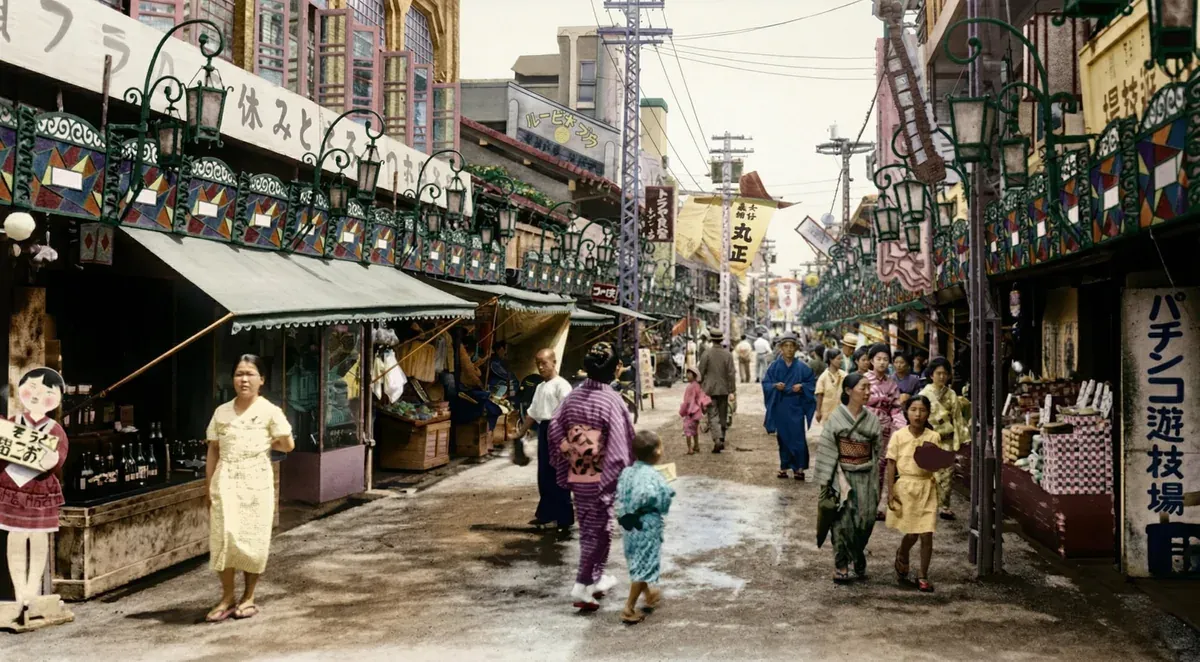
That is how Ōsu began — a religious district with a talent for turning devotion into commerce. By the early Shōwa years, local development groups had helped turn it into one of Nagoya's livelier entertainment districts: cinemas, theaters, amusement halls, and restaurants lining the approach to Ōsu Kannon, alongside the nearby Asahi Yukaku — a licensed pleasure quarter of geisha houses and brothels that gave the area a less-than-pious red-light sideline.
In prewar Japan, such areas operated legally and openly, commonly woven into the fabric of commercial districts across the country. In 1923 the Asahi Yukaku was relocated to Nakamura ward, and many of the geisha houses and small traditional restaurants around it disappeared with it.
Then the war burned through much of what remained.
Nagoya was among the most heavily bombed cities in Japan during World War II, and Ōsu did not escape that. When the district rebuilt, it did not come back redesigned to be stylish. It didn't have the money to rebuild as an upscale retail destination, instead it became cheaper and stranger — electrical goods, secondhand clothing, odd little specialist shops, and the kind of retail ecology that survives on curiosity, habit, and people who do not mind a bit of clutter. Other parts of Nagoya redesigned themselves into something neater and more navigable. Ōsu rebuilt itself to become more Ōsu.
By contrast, Sakae might as well be a different city. Though relatively close it is sleek and vertical, with broad avenues laid out on a grid that helps you know where you are and where to go next. Instead Ōsu has alleys. It has upper floors you have to find. It was built for wandering, and wandering is still the only way to do experience it properly.
The Shopping Arcades
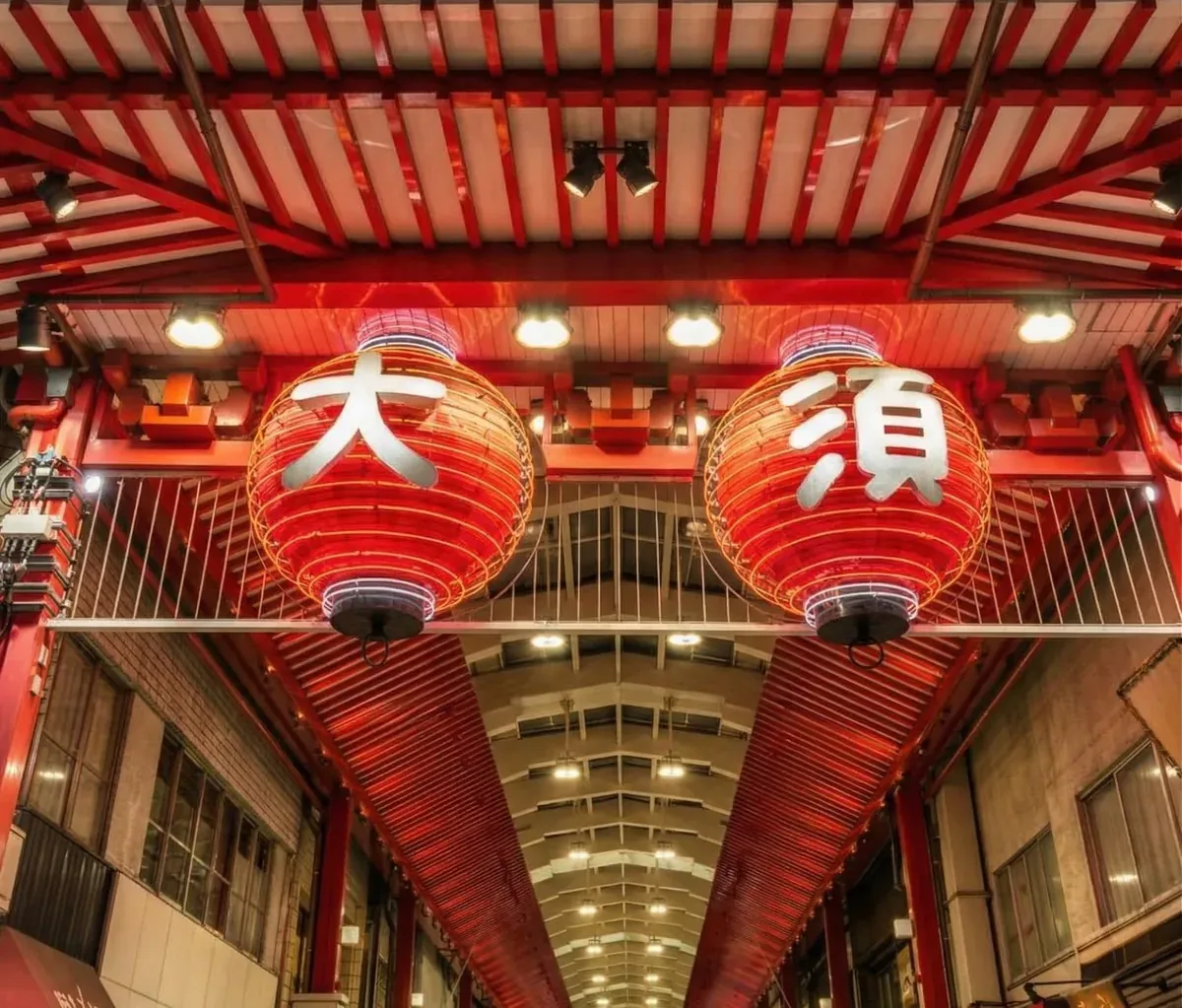
The covered shopping streets are the real engine of the area. What you find here spans vintage clothing, retro cameras, used kimono, electrical goods, hobby supplies, trading cards, anime and idol merchandise, antiques, and the occasional shop that appears to exist purely because somebody loved one specific category of thing enough to build a business around it. The appeal is variety at walking speed. The district rewards your loose attention more than any itinerary that tries to fit it all in.
A few things worth knowing before you go in: the secondhand clothing scene is genuinely good, with enough turnover to reward repeat visits. The electronics are more idiosyncratic than Tokyo's Akihabara and nowhere near that scale — lower volume, better for browsing than bulk buying. Subculture retail tends to live on upper floors of unremarkable buildings, so look up. The specialist shops — the ones devoted to a single narrow obsession — appear without warning and are often the best thing you find all day.
Eating
The food in Ōsu is not a reason to go in and of itself, but the area is one of the better places in central Nagoya to eat without a plan. Street food and snack culture is woven into the shopping environment rather than separated from it — particularly around the Ōsu Kannon end of the arcade, where the temple approach tends to have vendors and omiyage (souvenir) food options almost continuously. As you move east toward Kamimaezu, the streets get a bit quieter and sit-down spots start appearing between the shops.
The practical approach: sample something small near the temple, keep moving, and stop again when something catches you. Making a food itinerary here defeats the purpose. While there is no way to compile an authoritative or local must-eats list of everything in the area, long-time foreign residents religiously say you will never go wrong at two places: Solo Pizza or Osso Brazil

Solo Pizza Map
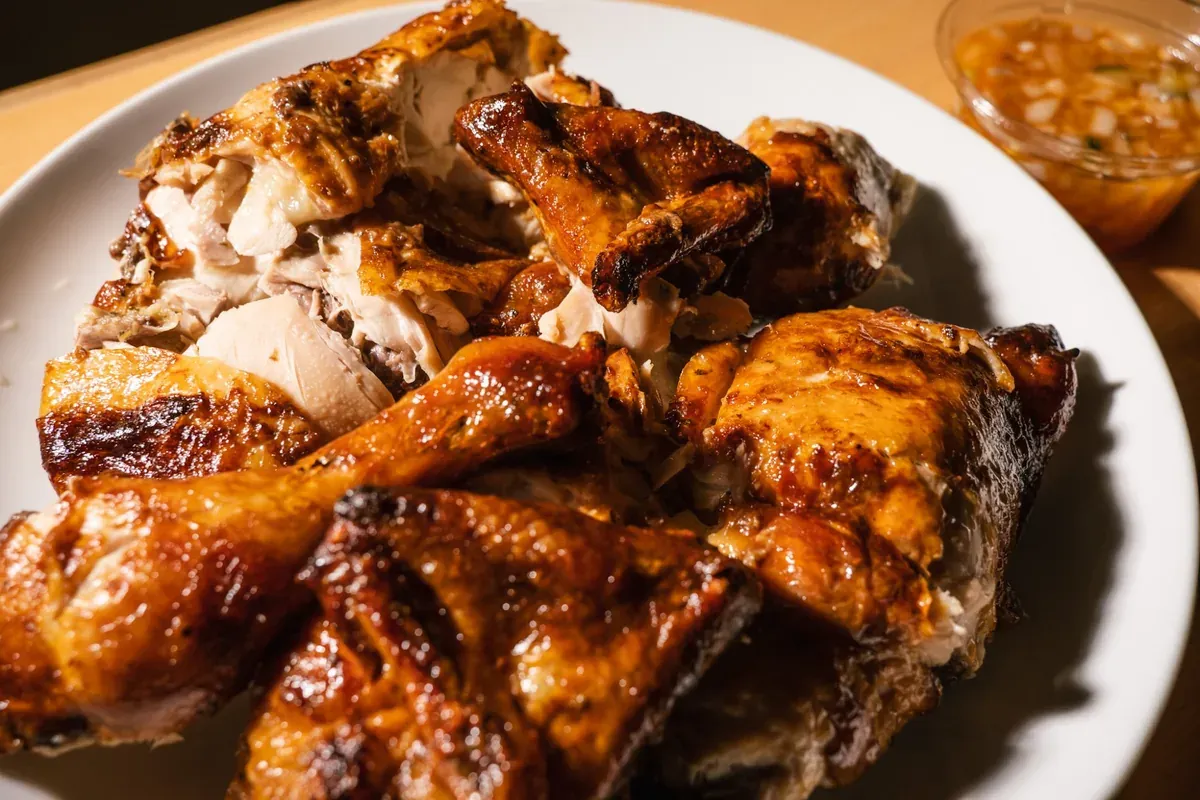
Osso Brazil Map
The Temples
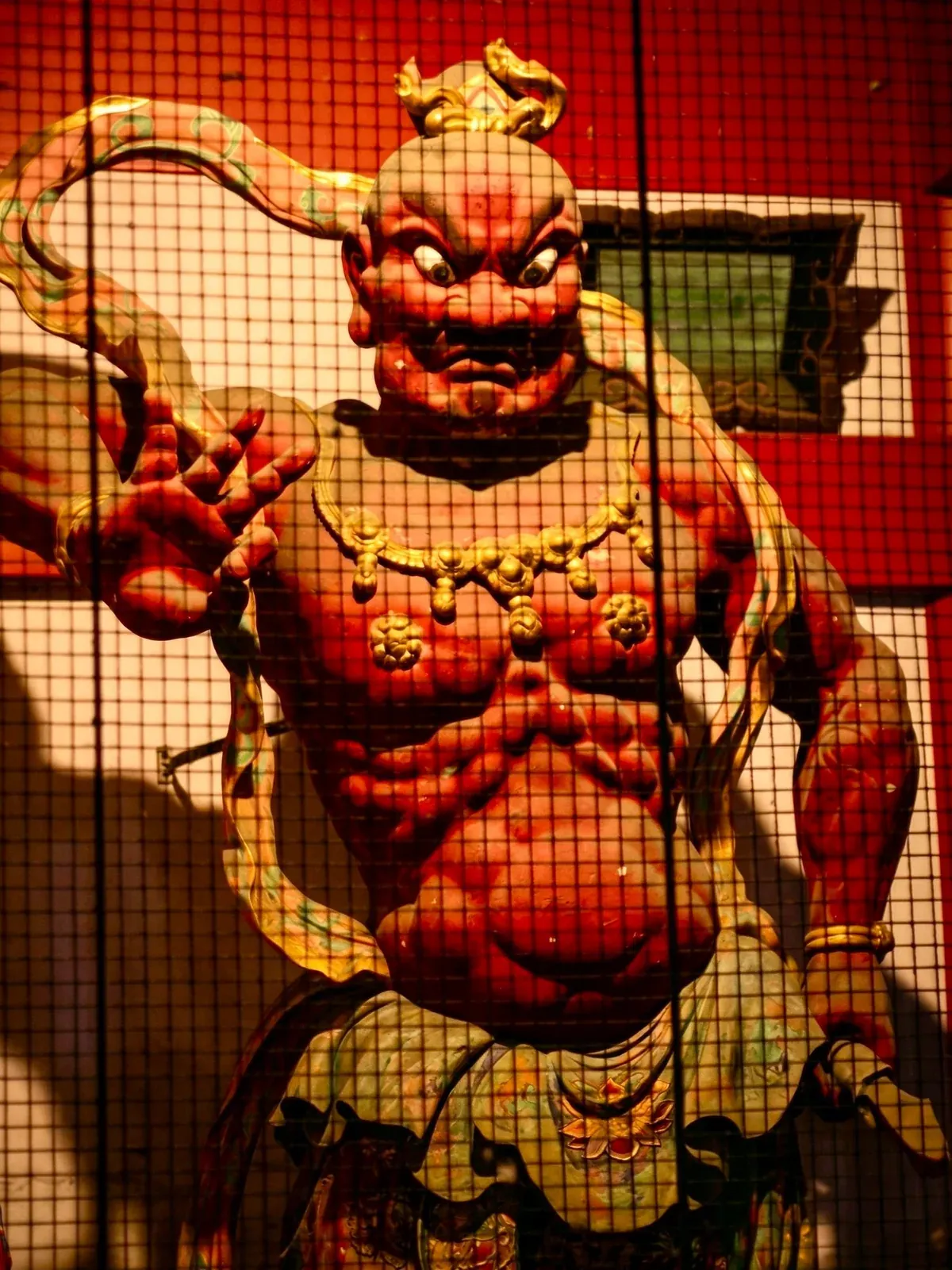
Ōsu Kannon is more than a visual gateway to the district. It remains one of Nagoya's major Buddhist temples, home to a library of around 15,000 classical Japanese and Chinese texts, including important early manuscript copies of the Kojiki — Japan's oldest surviving chronicle. The temple square sets the rhythm of everything around it — people eat on the steps, pigeons manage traffic, the grounds fill on market days.
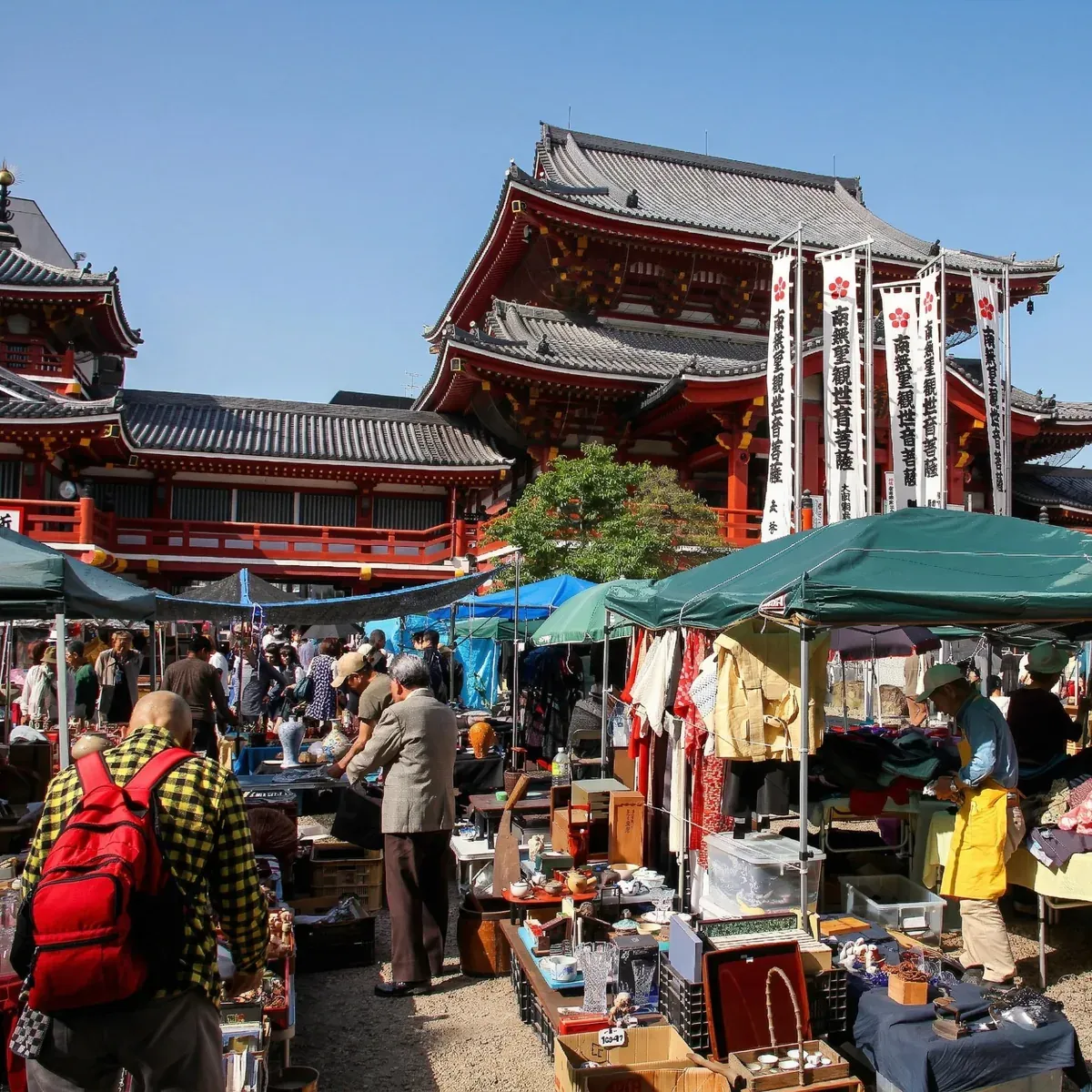
On the 18th and 28th of each month, the precincts host a popular antique market that draws dealers and browsers from across the city. The market runs 9:00 to 16:00 (vendors start packing around 15:30), held rain or shine. The selection covers old kimono, ceramics, books, household objects, curios, and a fair amount of genuine junk — which is half the point. Haggling is very much part of the experience; vendors expect you to engage, and some of them seem offended if you don't. If it's drizzling lightly, go anyway — the crowds thin and vendors get more agreeable. For a full rundown, read our guide to the Ōsu Antique Market.
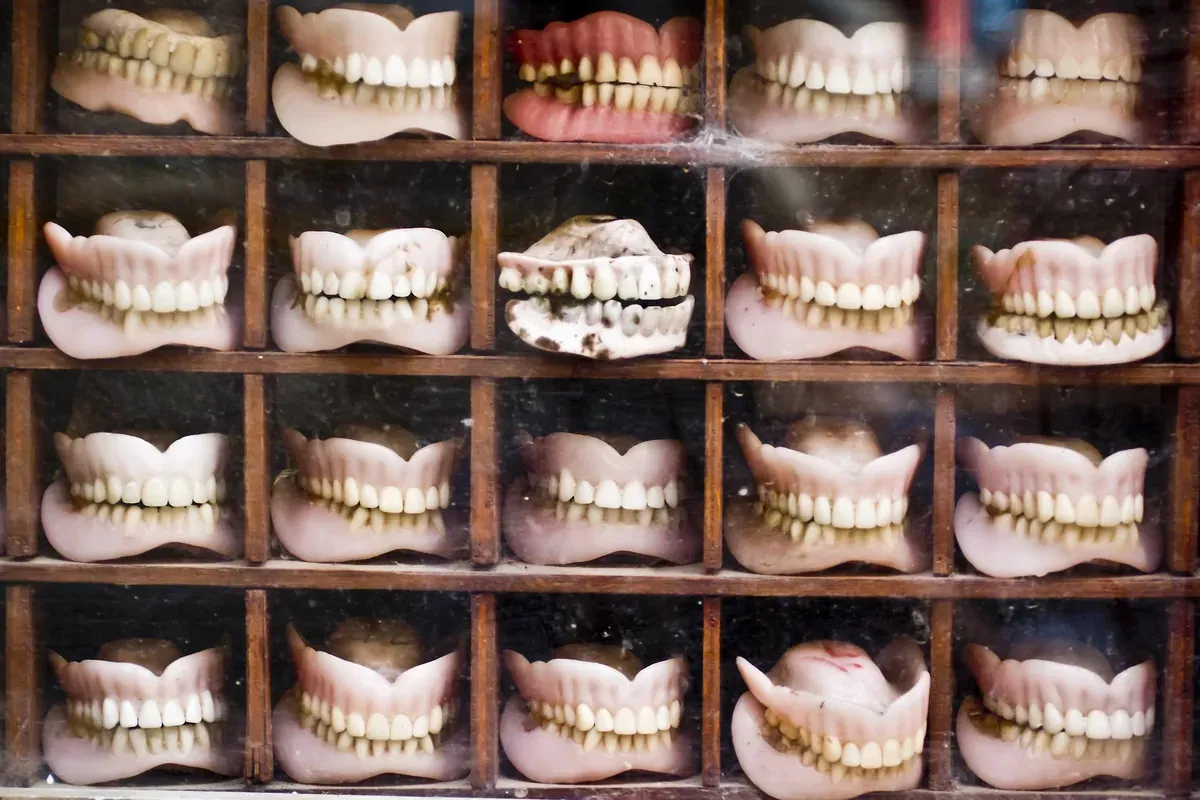
One more thing about the temple: every August 8th, Ōsu Kannon hosts the Hahazuka Kuyo — a memorial service for teeth. Visitors bring used dentures and baby teeth to rest on the tooth mound on the temple grounds. This is real, it is free, and it is exactly the kind of thing that happens in Ōsu.
Banshōji Temple sits deeper in the arcade and is genuinely easy to walk past. Founded by Oda Nobuhide — father of Oda Nobunaga — and relocated to Ōsu in 1610 during the construction of Nagoya Castle, the temple is one of Ōsu’s more historically charged stops.
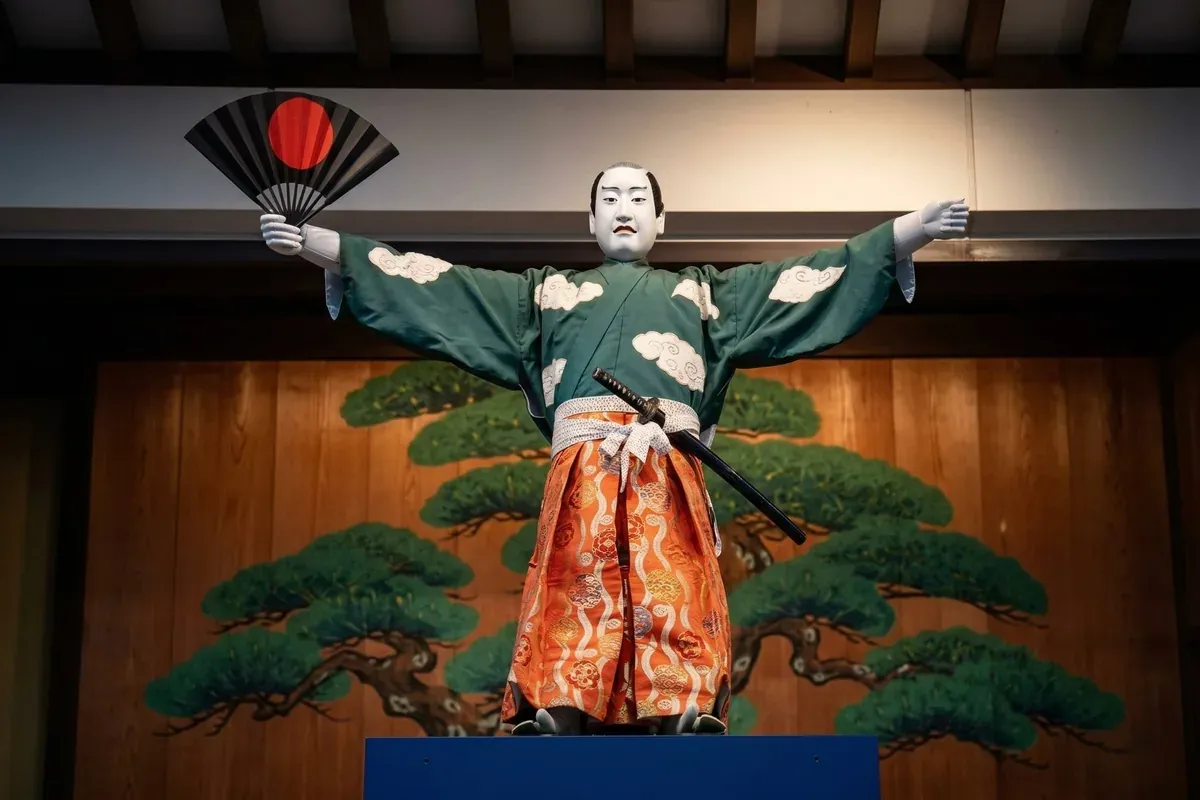
It houses the grave of Nobuhide and memorializes one of the more vivid stories attached to the Oda family: a young Nobunaga, already notorious for his erratic behavior, arriving late to his own father’s funeral and flinging incense at the altar rather than offering it properly. The temple also features two karakuri mechanical dolls depicting scenes from Nobunaga’s life: one reenacts that funeral-incense episode, while the other shows him performing the Kōwakamai dance before the Battle of Okehazama.

The tonal shifts at Osu are often abrupt, and surprising so in the best way.
One moment you’re waiting in line to buy a cushion featuring a kitten saying “Let’s Sleep Together,” the next you’re standing in a Sengoku afterimage.
Ōsu does this constantly.
That's why you go.

Access
The two-station approach is the most practical way to choose your Ōsu experience.
Ōsu Kannon Station
Tsurumai Line, T08, Exit 2
This puts you directly at the temple. Start here if you want to orient around the religious anchor and move into the arcades from the west.
Kamimaezu Station
Tsurumai Line T09 / Meijō Line M03, Exits 8 or 9
This drops you into the shopping streets from the east. Better if you're connecting from elsewhere on the Meijō loop, or if you want to start browsing immediately and work toward the temple.
The district runs roughly 700 meters east-west and 600 meters north-south — large enough to take time, compact enough to cover on foot in an afternoon. A loose loop between the two stations, with permission to get distracted, is the right frame of mind.
From Nagoya Station:
Ōsu is an easy side quest from the city’s main transport hub. Take the Higashiyama Line (yellow) from Nagoya (H08) to Fushimi (H09), then transfer to the Tsurumai Line (blue) for Ōsu Kannon (T08). Total travel time is about 12 minutes, depending on the connection.
Subway Guide
 Nagoya Buzz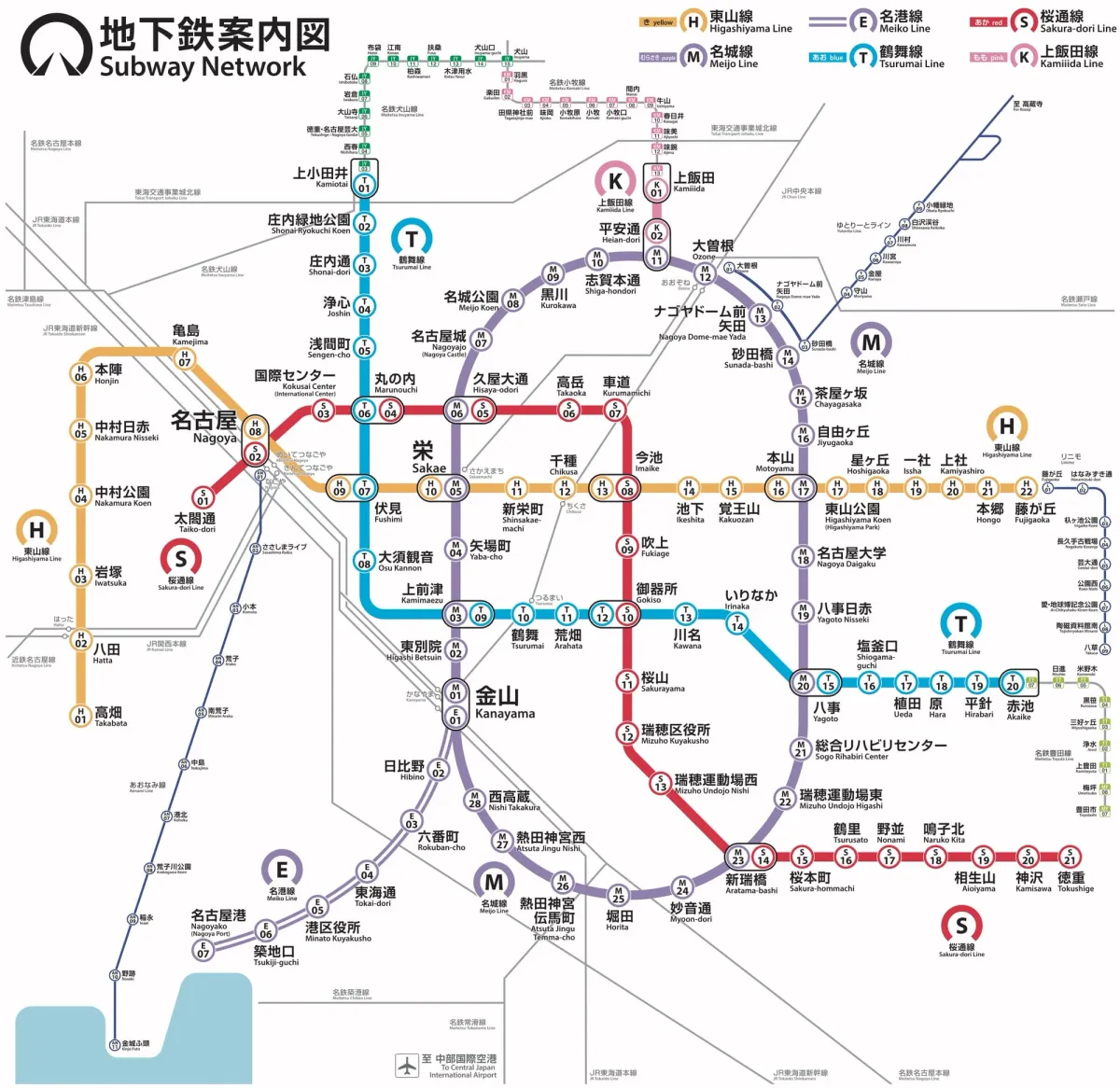
MAP
Read More About Osu
 Doug Breté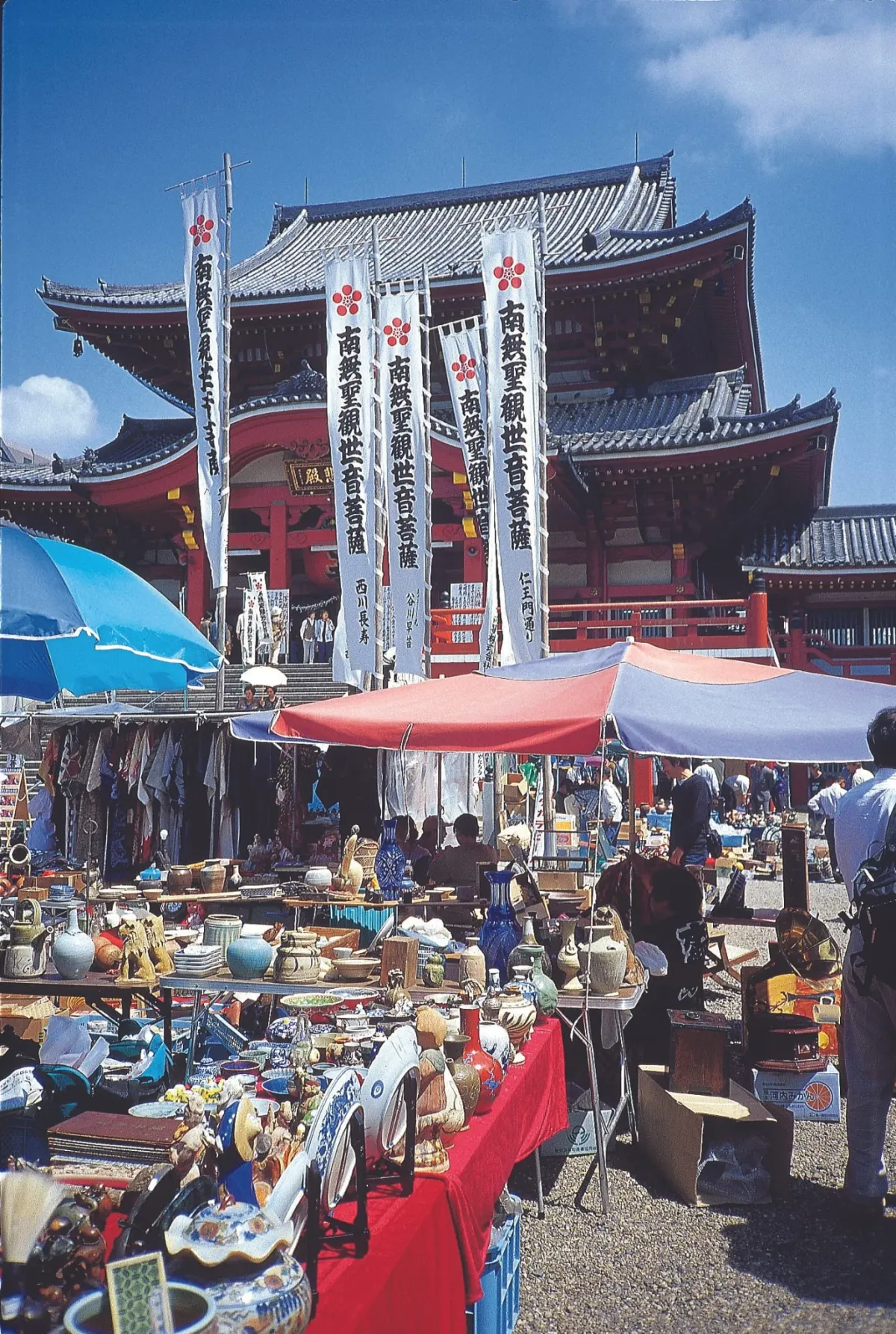
 Doug Breté

Leave a Comment