
By James Rogers
The Japanese Cars Everyone Loves
A Special Exhibition Running until April 5
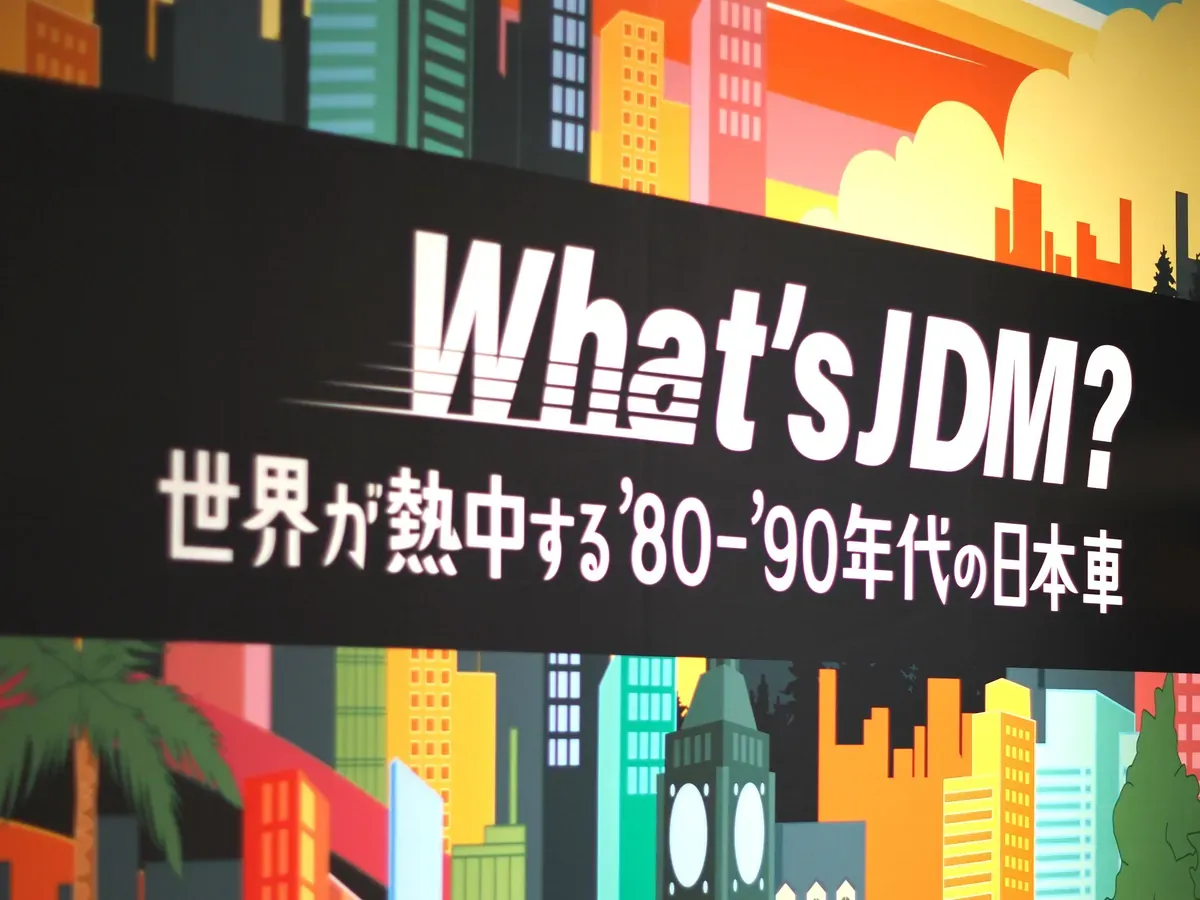
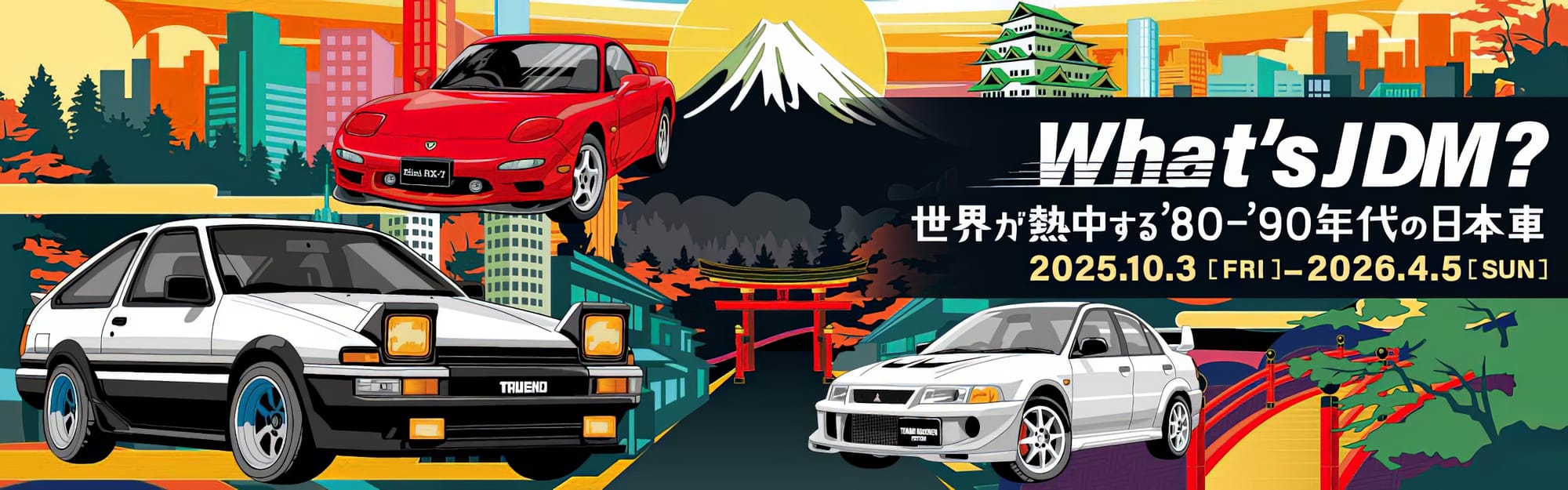
The Toyota Automobile Museum in Nagakute is currently running a special exhibition titled “What’s JDM?" ( 世界が熱中する‘80–’90年代の日本車), on view until April 5, 2026. The exhibition focuses on Japanese cars from the 1980s and 1990s that have become especially popular overseas in recent years, and is being held on the museum’s second floor.
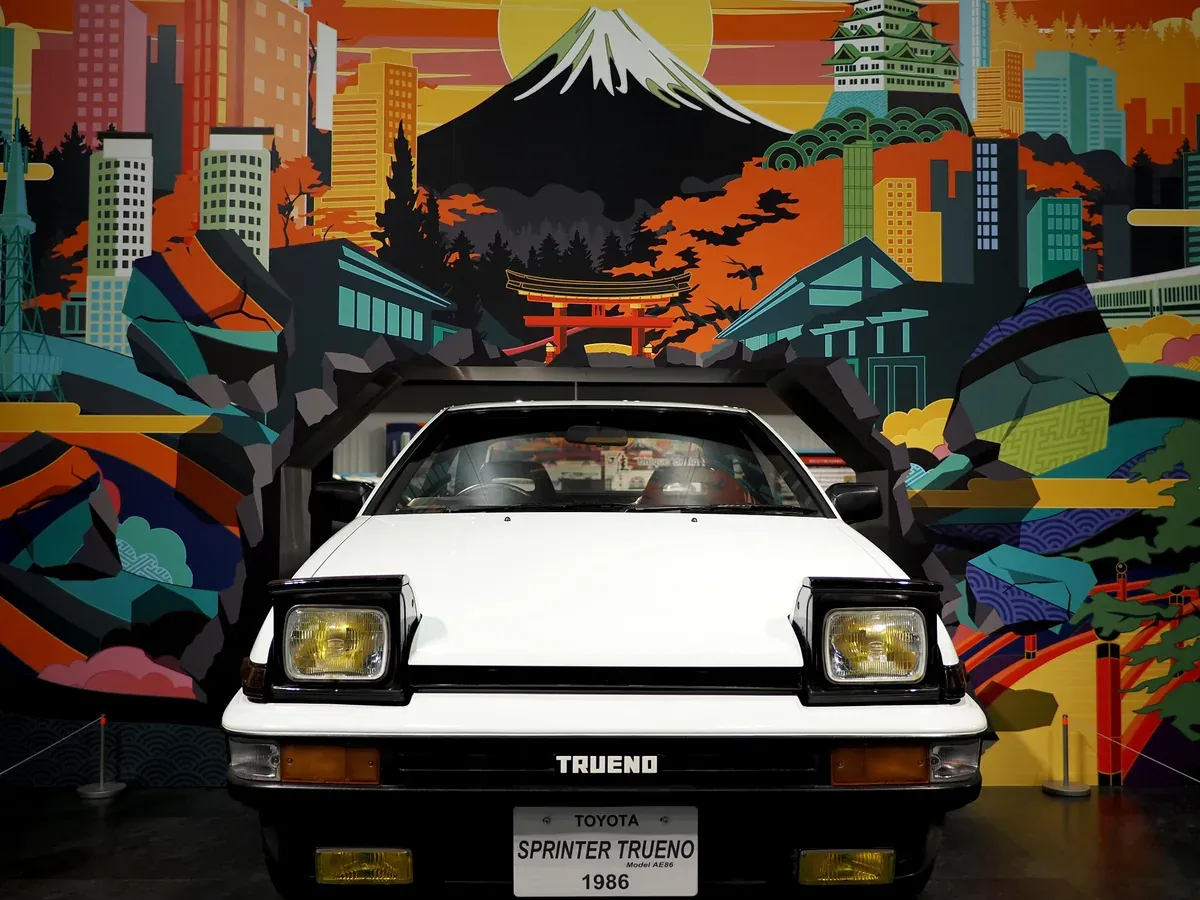
The artwork at the entrance sets the tone immediately, framing the show not just as a technical history lesson but as a cultural moment shaped by nostalgia, design, and the global afterlife of Japanese cars from this era.
What exactly is “JDM”?
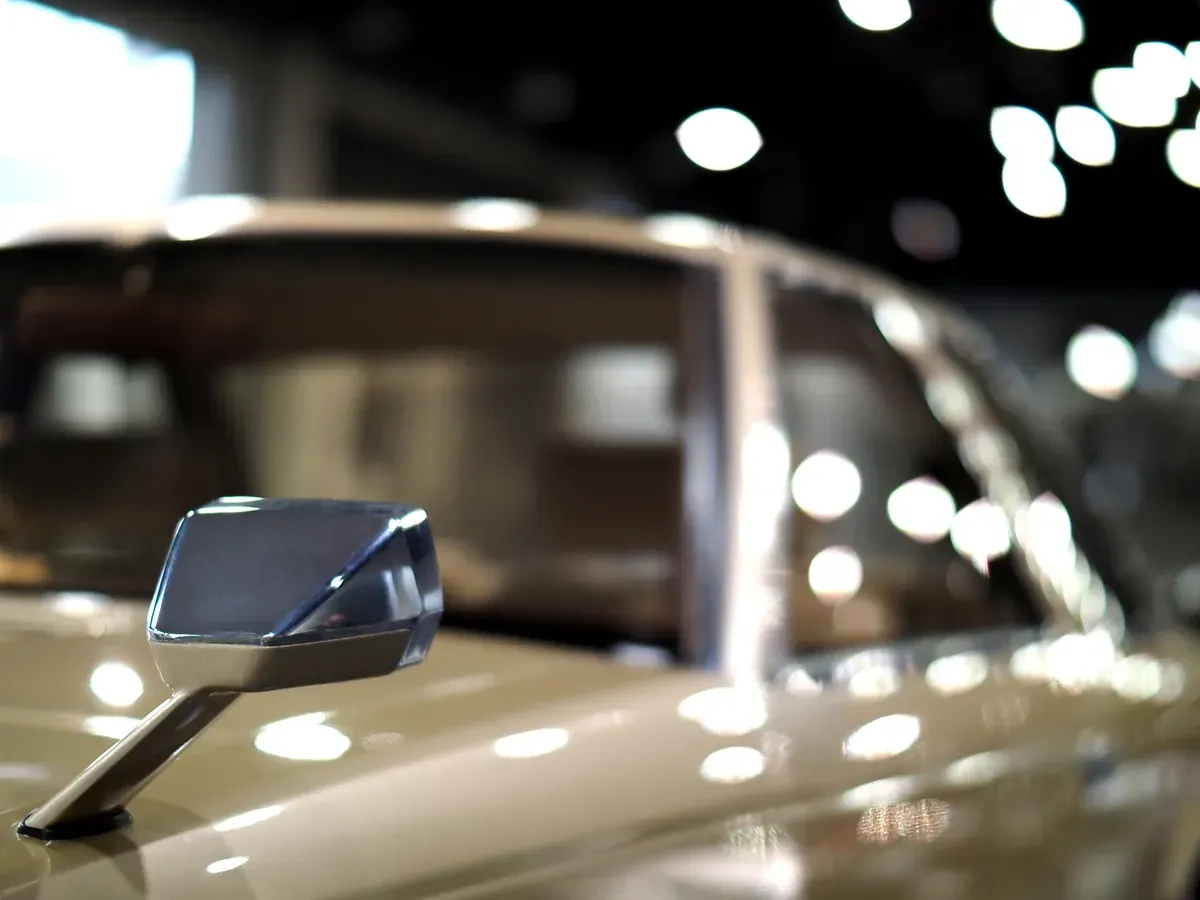
“JDM” stands for Japanese Domestic Market. Originally, the term referred to vehicles produced specifically for sale within Japan and not officially exported.
Over time, the meaning has broadened. Today, “JDM” is commonly used to describe a particular group of Japanese cars from the 1980s and 1990s that have become highly collectible and emotionally resonant, especially in English-speaking countries. In this sense, the term refers less to sales geography and more to an era defined by distinctive design, clever engineering, and a specific driving experience that enthusiasts continue to seek out.
What Cars Are Being Shown?
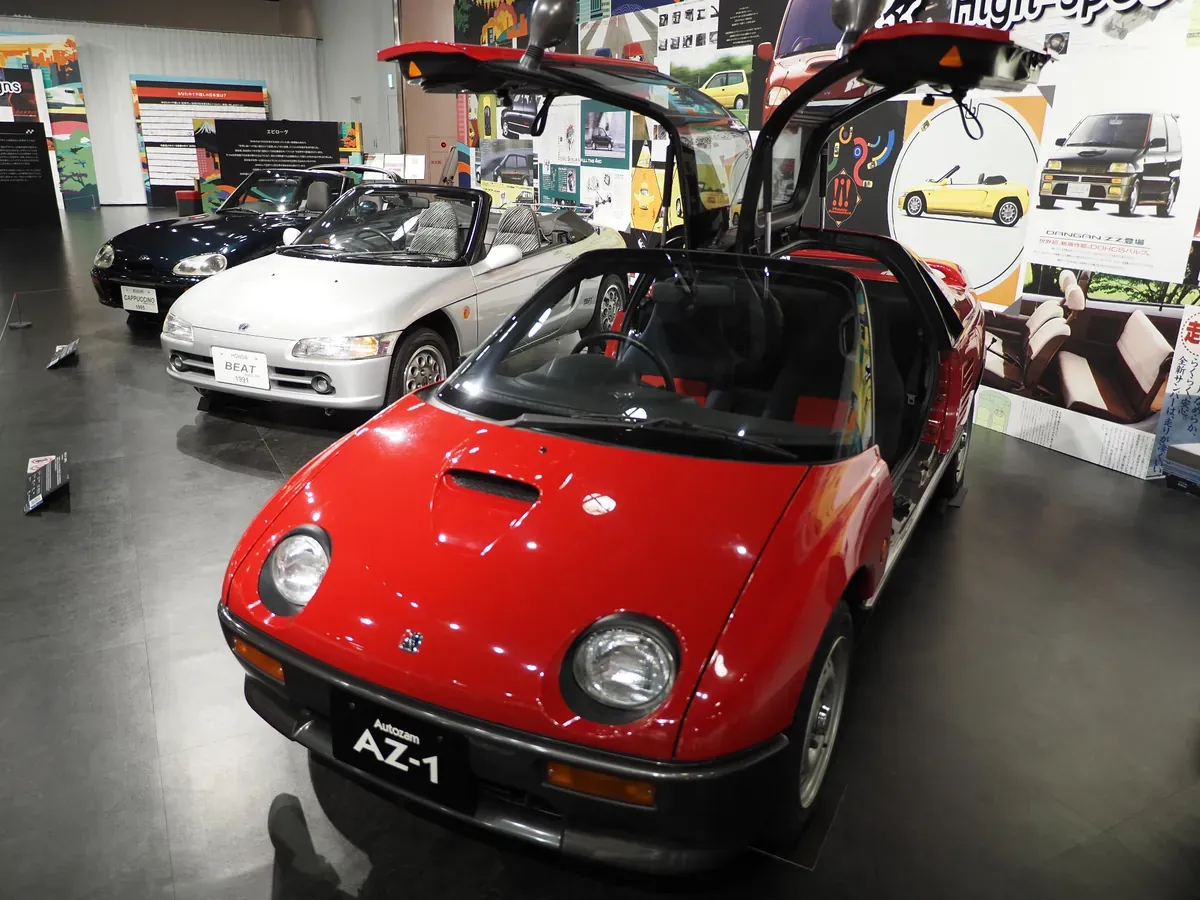
No JDM-focused exhibition would feel complete without the trio often referred to as the ABC kei cars: the Autozam AZ-1, Honda Beat, and Suzuki Cappuccino. These compact, performance-oriented models were released in the early 1990s and remain fixtures at JDM events around the world.
Kei cars are subject to strict Japanese regulations governing size and engine displacement, with a maximum engine capacity of 660cc. Despite those limitations, manufacturers used creative layouts and lightweight construction to produce cars that were engaging to drive and visually distinctive.
The Autozam AZ-1 stands out immediately thanks to its gullwing doors and mid-mounted engine, features rarely associated with cars of this size. The Honda Beat, also mid-engined, combines a convertible roof with unmistakable 1990s interior graphics. The Suzuki Cappuccino takes a slightly different approach, using a removable roof configuration closer to a targa top.
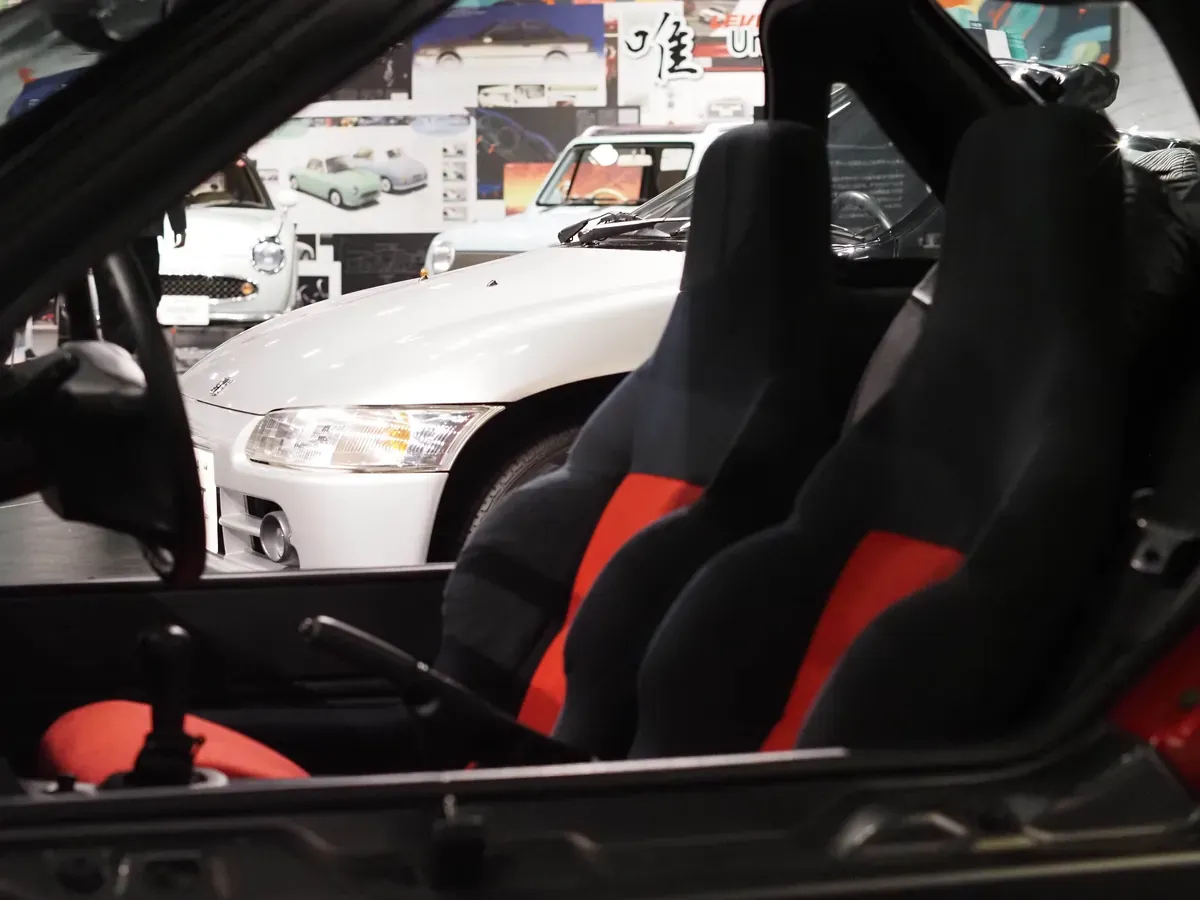
Both the AZ-1 and Cappuccino are turbocharged, offering surprising performance relative to their size. While the Beat lacks a turbocharger, it compensates with a high-revving naturally aspirated engine with a redline around 8,500 rpm. Together, these three cars help explain why compact Japanese performance cars from this era continue to attract attention decades later.
The Themes of the Exhibition
The exhibition is organized around three ideas that shaped Japanese cars in the 1980s and 1990s.
Technological ambition
Rally-inspired models such as the Subaru Impreza WRX STi, Mitsubishi Lancer Evolution VI, and Toyota Celica GT-Four represent a period when advanced drivetrains and motorsport influence filtered directly into road cars.
Design experimentation
Retro-styled models like the Nissan Pao and Nissan Figaro show how manufacturers played with nostalgia and character at a time when Japanese cars were becoming increasingly global.
Compact size paired with high performance
The ABC kei cars serve as the clearest examples, demonstrating how strict limitations often encouraged inventive engineering rather than dull conformity.
A highlight for many visitors is the Toyota Sprinter Trueno AE86, a car closely associated with drifting culture and popularized worldwide through the manga Initial D. It remains one of the most recognizable symbols of what people imagine when they hear the term “JDM.”
The Permanent Collection
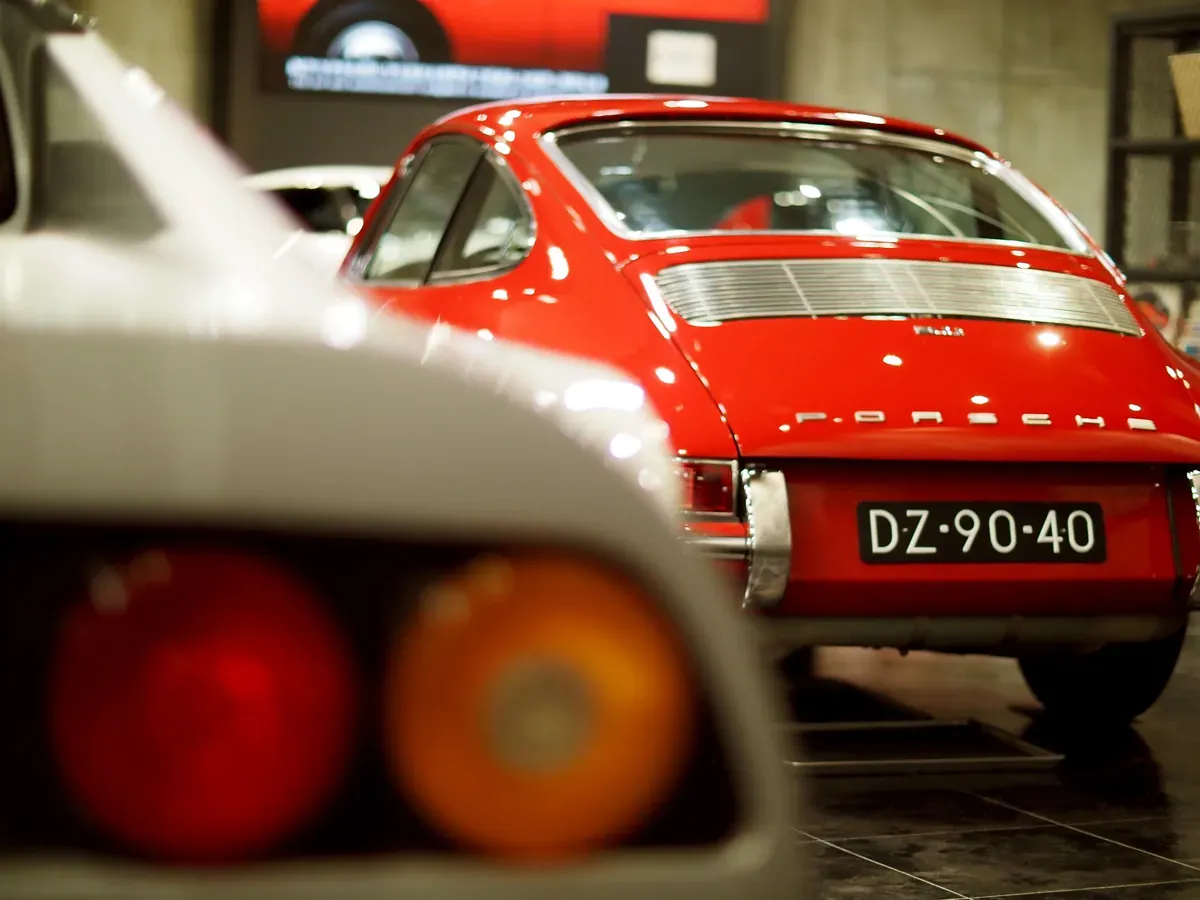
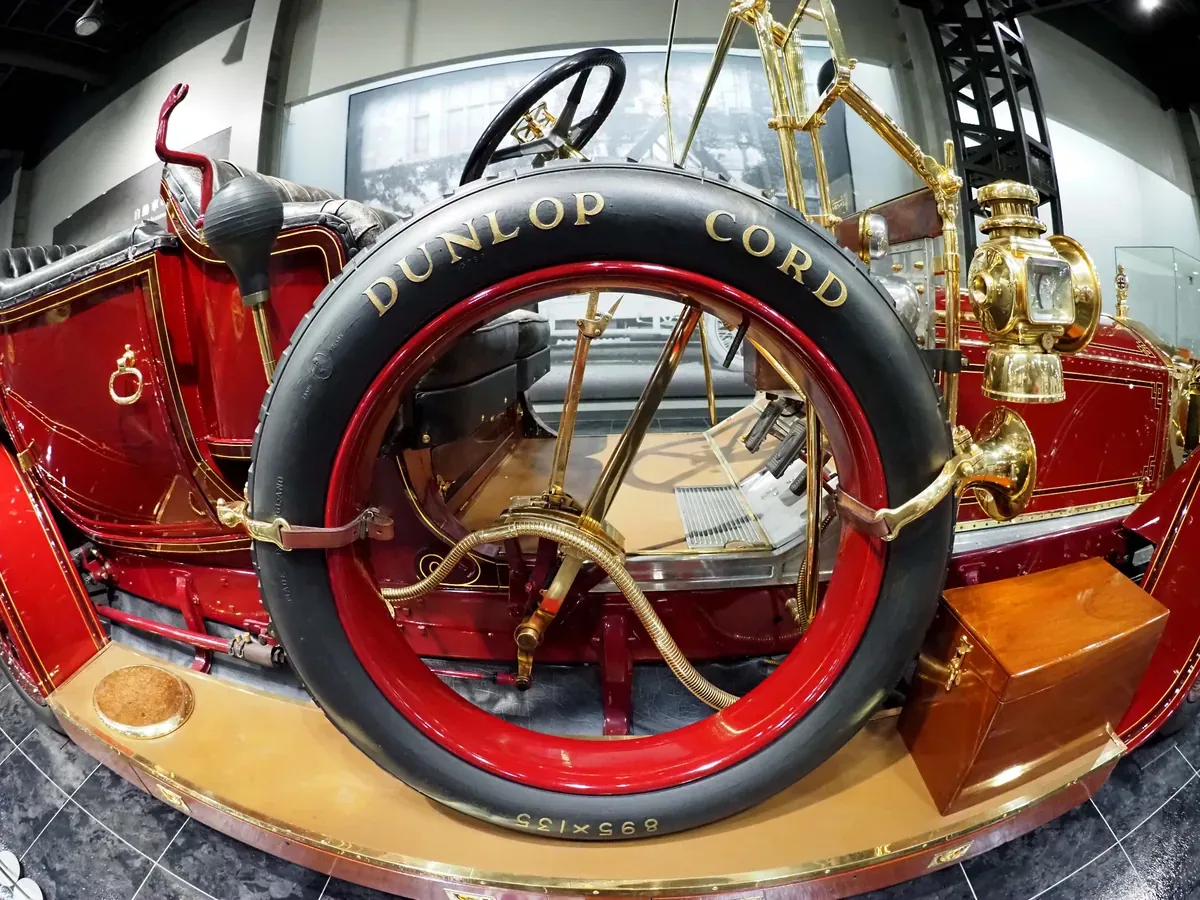
While the JDM exhibition itself focuses on around ten vehicles, the Toyota Automobile Museum’s permanent collection is extensive. Roughly 140 to 150 cars are regularly on display, with a combined estimated value exceeding ¥15 billion.
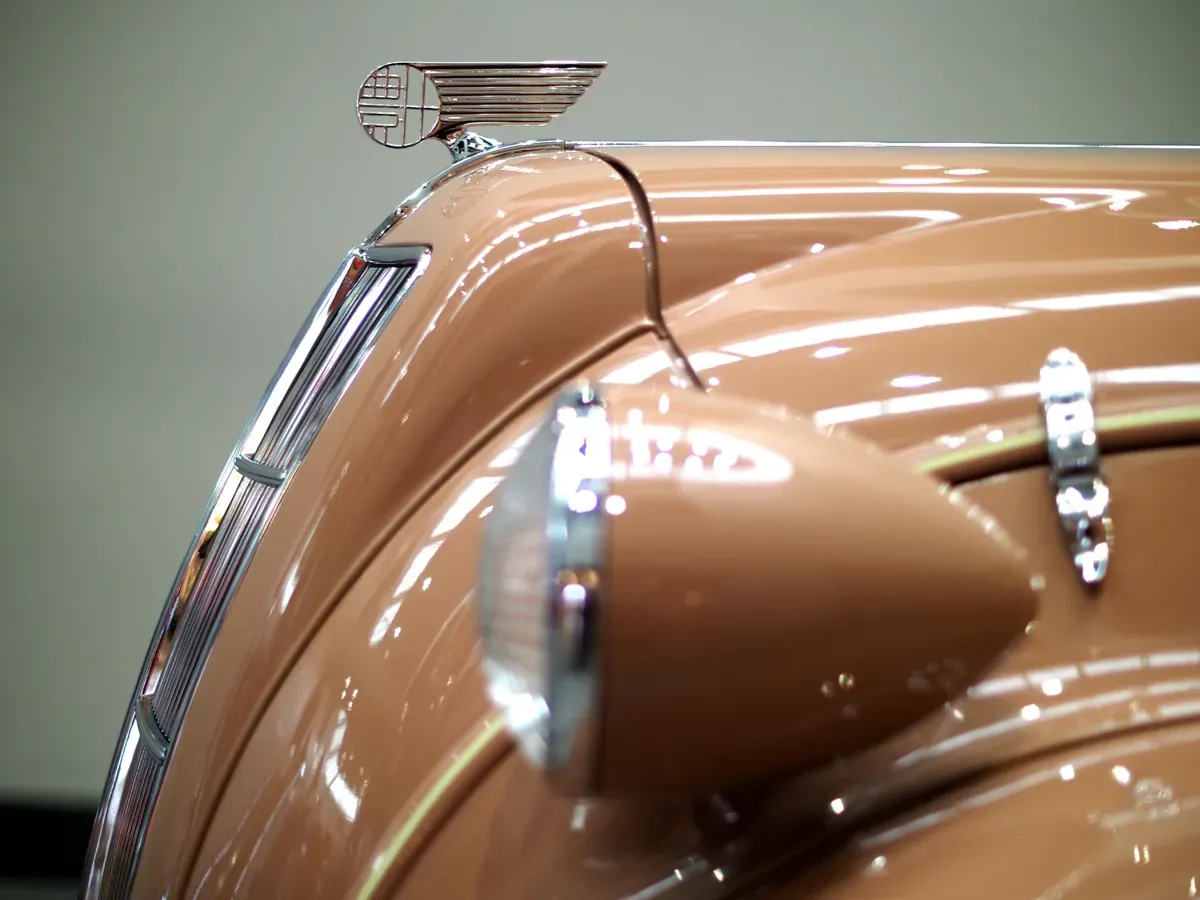
Toyota’s own history is well represented, including the company’s first production car, the 1936 AA Sedan. Alongside it are vehicles from manufacturers around the world, including a BMW 328 Roadster, a Mercedes-Benz 300SL, classic Porsches, a Ferrari, a Honda S800 Roadster, and examples from the earliest days of automotive history.
The museum also extends beyond cars. There are exhibits dedicated to automotive culture and design, a café with car-related books, a restaurant, and a library and archive area focused on the history of motoring.
Cars On Display
(Until April 5)
Toyota Sprinter Trueno (1986)
Nissan Skyline GT-R (1989)
Mazda ɛfini RX-7 (1991)
Subaru Impreza WRX STi (1994)
Mitsubishi Lancer Evolution VI
(2000)
Honda Civic Type R (1997)
Nissan Pao Canvas Top (1989)
Nissan Figaro (1991)
Honda Beat (1991)
Suzuki Cappuccino (1995)
Live Demonstration Events
Two live demonstration days are scheduled in conjunction with the exhibition. On February 15, visitors can see an Isuzu Piazza JR130, a Toyota Supra MA70, and a Toyota MR2 SW20. A second demonstration on March 22 will feature a U.S.-export Celica from 1971, a Toyota Celica ST182, and a Toyota Celica GT-Four ST185.
Demonstrations are scheduled for 11:00–11:30 and again from 14:00–14:30. Times may change in the event of bad weather.
All photos by James Rogers
www.jamesmartinrogersphotography.com
Dr. James Rogers is a tenured university professor who has published multiple books, over 50 articles on linguistics and Japanese studies, and around 50 newspaper articles on Japan-related topics. He is the author of the book “On Living and Working in Japan.”

The Details
What’s JDM?
世界が熱中する‘80–’90年代の日本車
Venue:
Toyota Automobile Museum
Dates:
Until April 5, 2026
Live Demonstrations:
Feb. 15 and Mar. 22
Opening Hours:
Tues–Sun:
9:30–17:00
Last admission at 16:30
If Monday is a public holiday,
the museum is closed the following weekday.
Admission:
Entry to the special exhibition is included with regular museum admission.
Adults: ¥1,200
Seniors: ¥700
Junior high & high school students: ¥600
Elementary school students: ¥400
Preschoolers free
Address:
41-100 Yokomichi
Nagakute City, Aichi
Phone: 0561-63-5151
Website: https://toyota-automobile-museum.jp
Access
By Subway / Train:
Take the Higashiyama Subway Line to Fujigaoka Station (H22). Transfer to the Linimo bound for Yakusa and get off at Geidai-dori Station (L06). From Exit 1, the museum is about a five-minute walk.
By Car:
Use the Nagoya–Seto Road (Green Road), exit at Nagakute IC, and drive west for about 0.4 km.
Free on-site parking is available.
Nagoya Subway Map
Check out our handy guide to using the Nagoya Subway
MAP
If you enjoyed this, our Events Page highlights other small, seasonal things happening around Nagoya right now.
→ See what’s happening in Nagoya this week!







Leave a Comment