
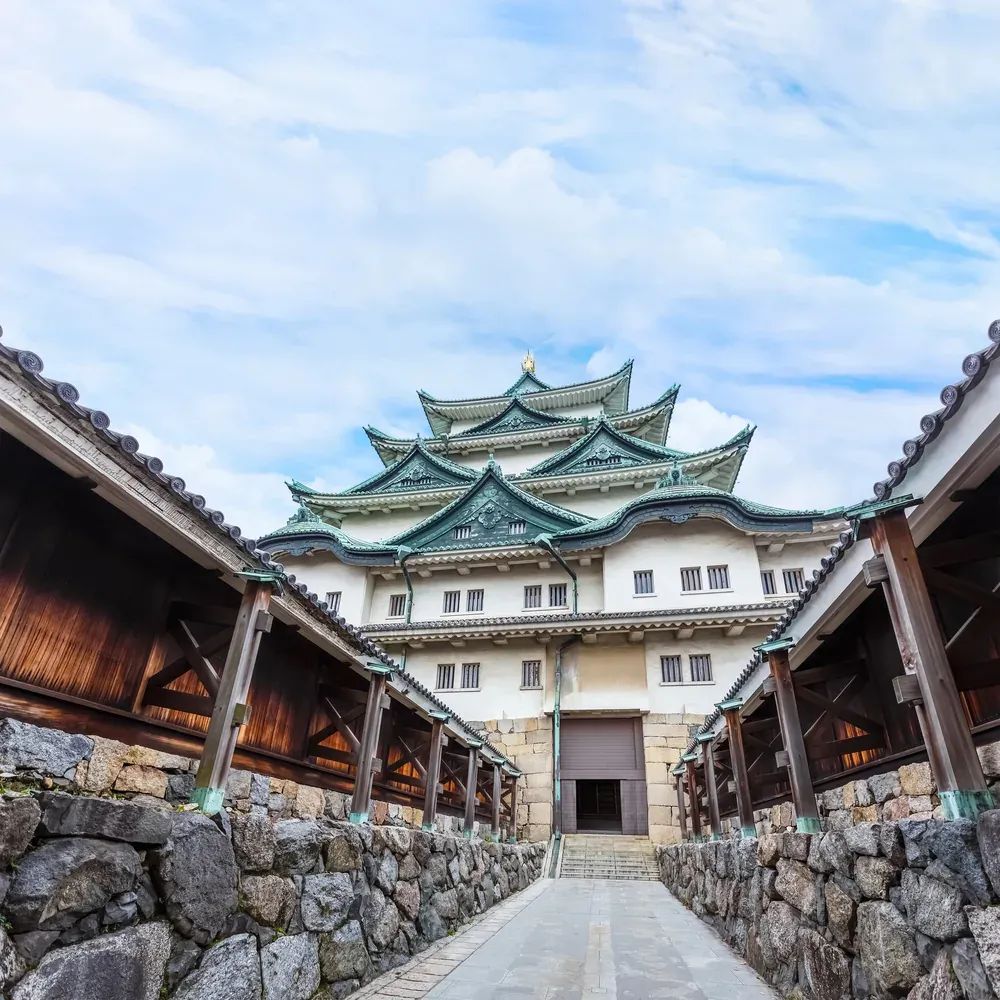
A Journey Through History and Restoration
The Nagoya Castle complex is a timeless symbol of Japan's rich cultural heritage and historical significance. Built in the early 17th century under the directive of Tokugawa Ieyasu, this architectural marvel served as a testament to the power and might of the Tokugawa clan.
A Legacy of Power and Prestige
The story of Nagoya Castle began in 1610 when Tokugawa Ieyasu, the victorious leader of the Battle of Sekigahara, sought to solidify his authority in the Owari region by commissioning the construction of a magnificent fortress.
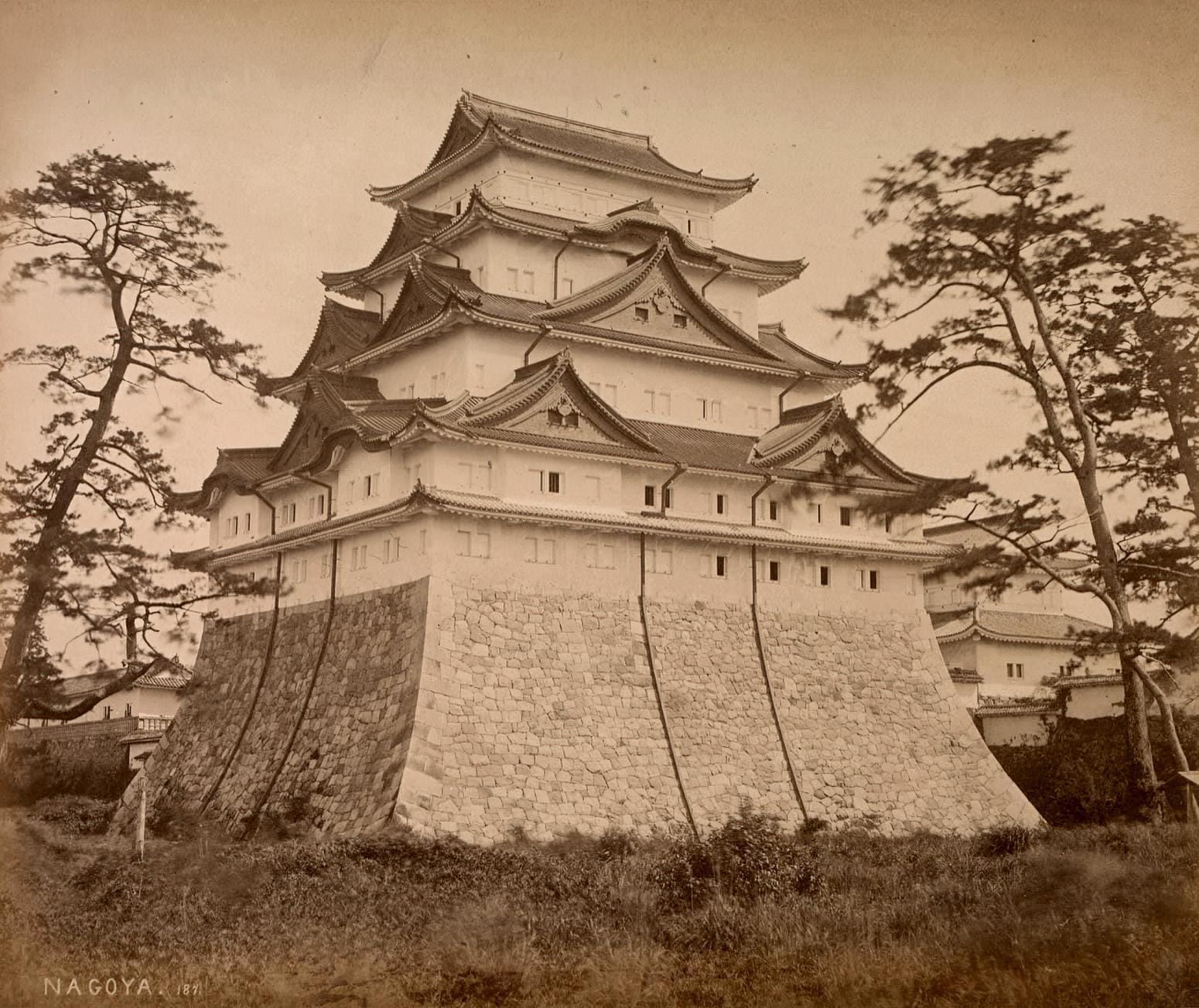
Adorned with golden Kinshachi (golden tiger-fish roof ornaments), the castle's towering keep symbolized the Tokugawa clan's dominance and prestige. With its vast Ni-no-maru Garden and imposing stone walls, Nagoya Castle emerged as a formidable stronghold during the Edo Period (1603-1867), shaping the development of the surrounding city of Nagoya.
Destruction and Resilience
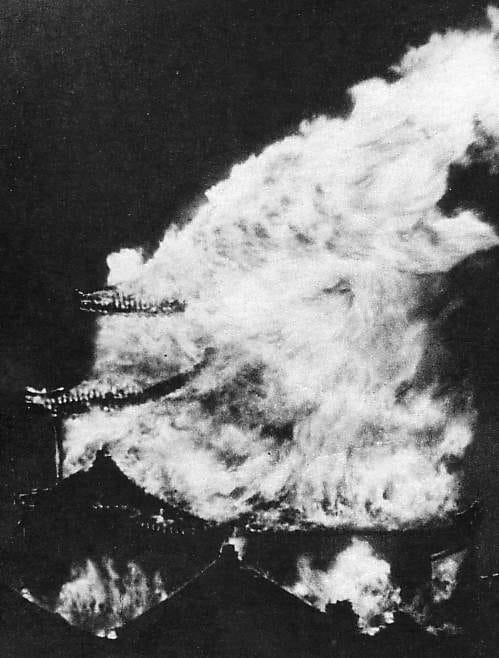
Despite its resilience throughout centuries, Nagoya Castle faced its most significant challenge during World War II. In May 1945, American aerial bombing reduced the main keep, small keep, The Honmaru Palace, and many other structures, to ashes. However, amidst the devastation, the spirit of Nagoya Castle endured.
In 1959, the Main Keep of Nagoya Castle was reconstructed using ferro-concrete. However, by the 21st century, there was a growing appreciation for traditional architecture and cultural heritage. The decision was made to embark on a bold new endeavor – reconstructing the main keep using wood, as it was originally built centuries ago – a feat made possible by the detailed plans of the castle, which survived its 1945 destruction.
A Journey of Renewal
The 1959 ferro-concrete main keep closed to the public in May 2018 because of aging and seismic concerns. Nagoya City is now pursuing a long-term plan to reconstruct the main keep using traditional methods and materials. The project draws on surviving historical records, survey drawings, and other documentation of the original castle design. No definitive completion date has been announced, but the rebuilt keep is expected to be completed sometime in the 2030s
Preserving the Legacy
The decision to reconstruct the main keep in wood reflects a commitment to preserving Nagoya Castle's rich architectural heritage. The new main keep will pay homage to the castle's illustrious past and ensure its continued relevance and significance for future generations by returning to traditional building materials and techniques.
The goal is not simply to replace an aging structure, but to restore the castle’s central landmark in a form closer to the original. When completed, the rebuilt keep will mark a shift away from postwar expediency and toward a more deliberate effort to honor the city’s architectural heritage and tradition of craftsmanship.
The Honmaru Palace
While visitors to the Nagoya Castle complex cannot currently visit the Main Keep, they can see one of Nagoya's most significant cultural treasures - the exquisitely rebuilt Honmaru Palace.
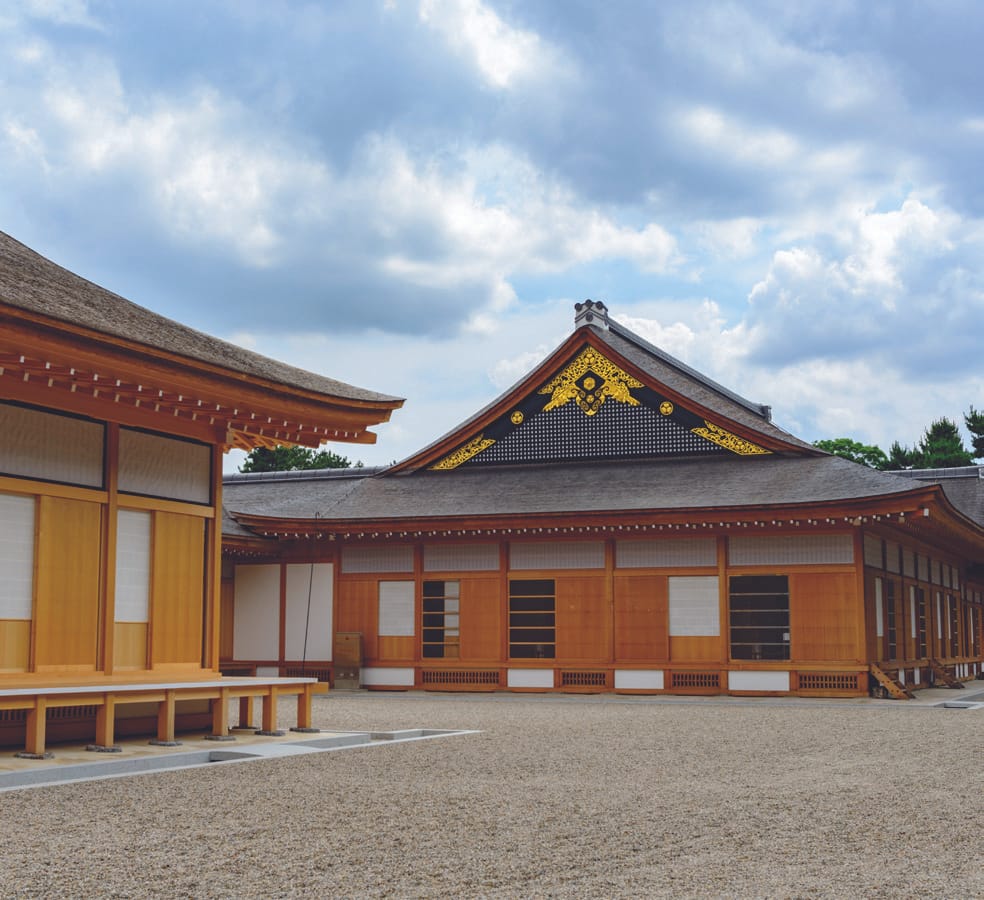
First constructed in 1615, the Honmaru Palace is a masterpiece of Edo-period castle architecture that served as the administrative center and residence of the Owari feudal lord.
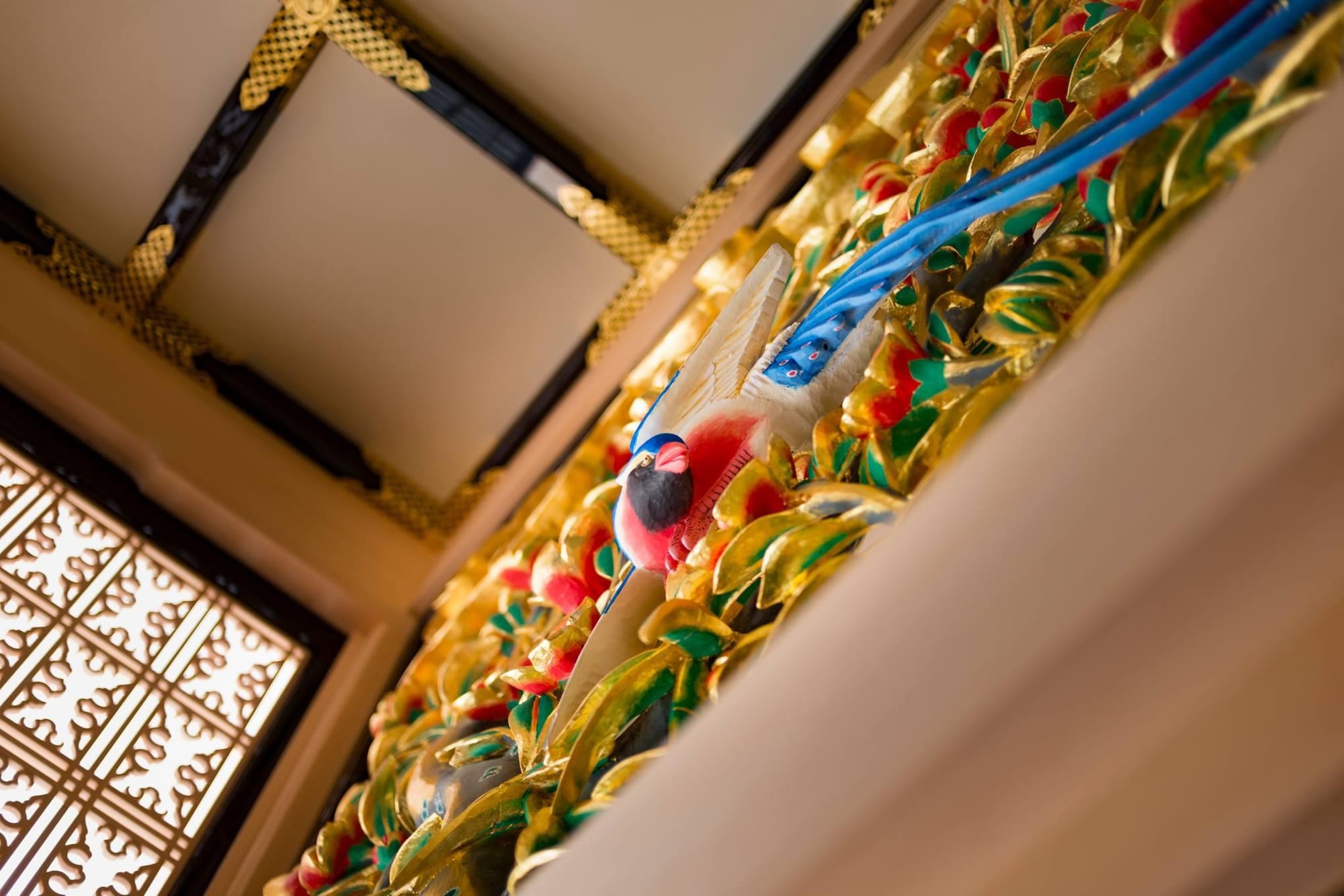
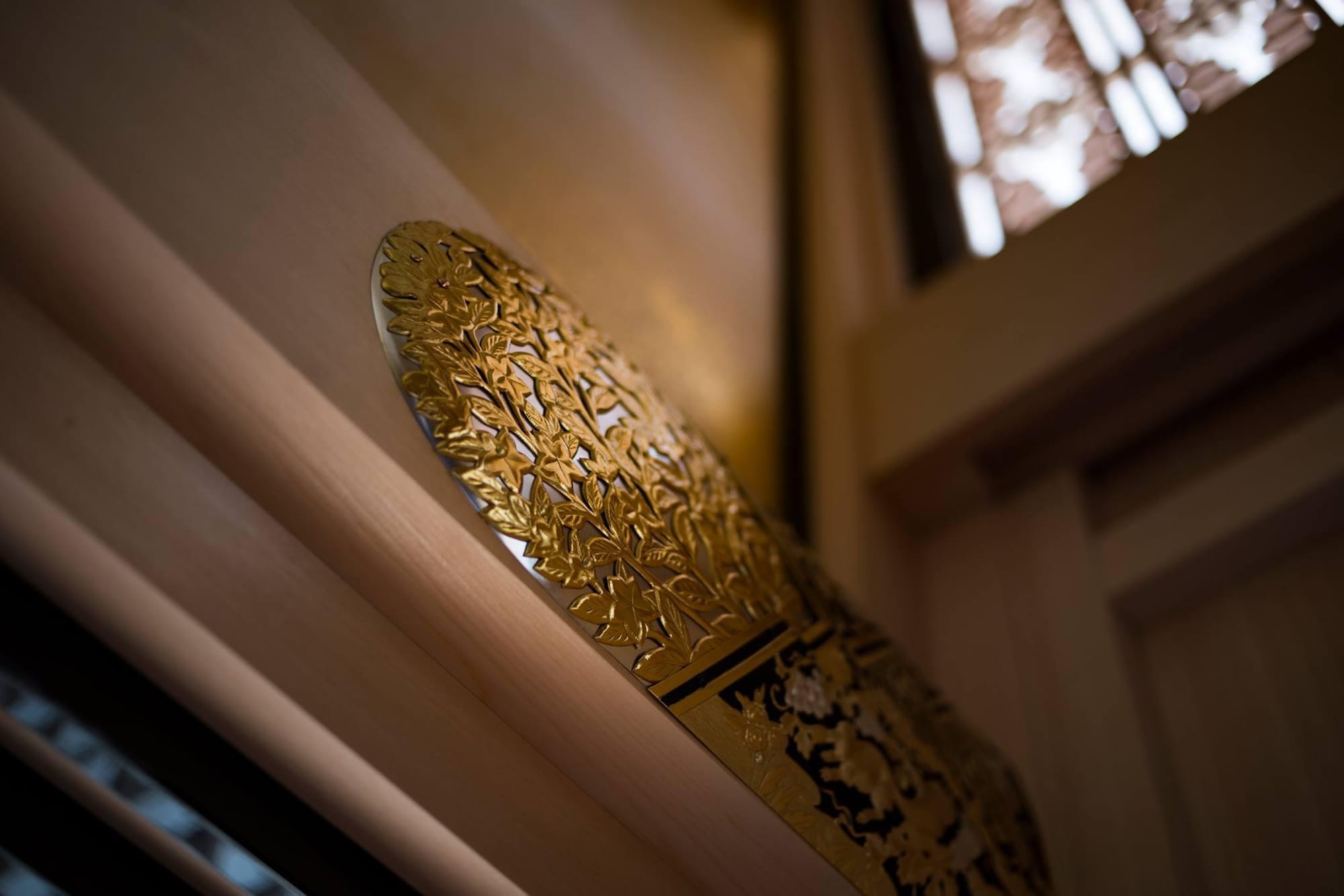
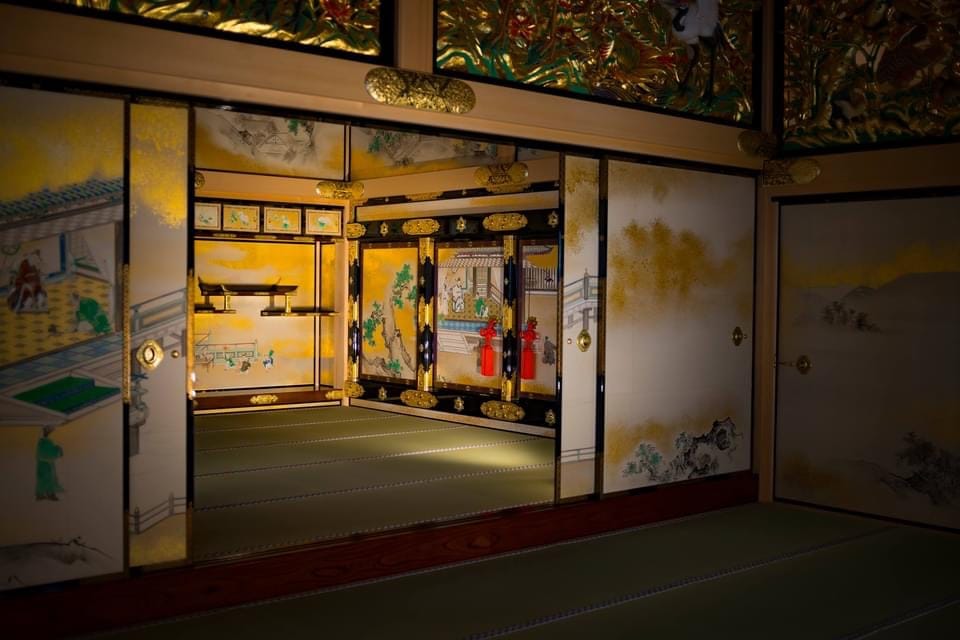
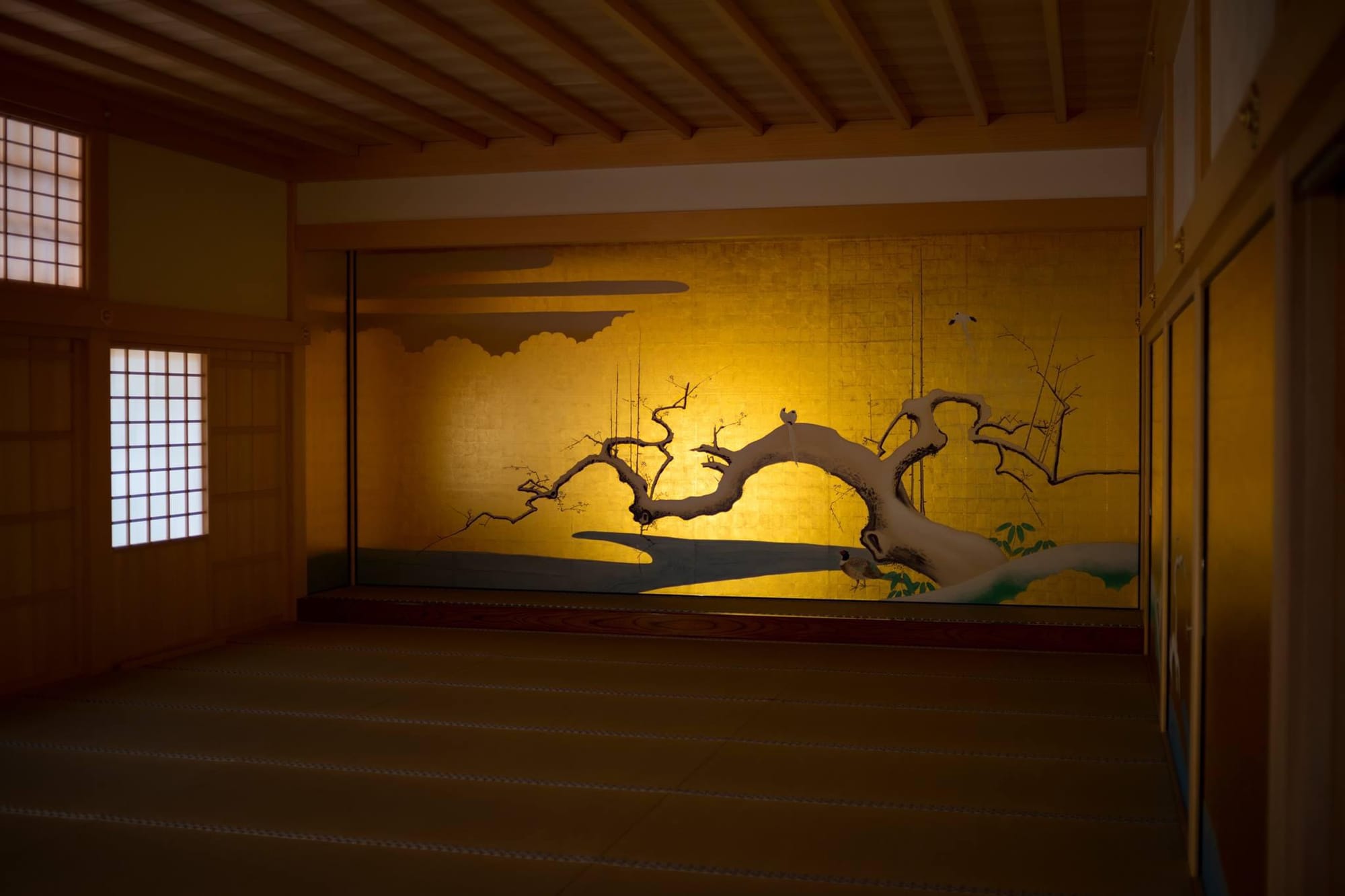
Though the palace was also destroyed during the wartime air raids, its restoration in 2018 marked a triumph of preservation and cultural heritage. With meticulous attention to detail and the use of original materials and techniques, the interior is adorned with stunning wall paintings and decorative fittings, reflecting the opulence and refinement of the era. The Hommaru Palace is one of the castle complex’s most significant restored cultural attractions. The palace is a destination in and of itself—inviting visitors to immerse themselves in its timeless elegance.
The Details
Nagoya Castle and
Honmaru Palace
Hours
9:00–16:30
Castle Grounds
Last Entry
16:00
Honmaru Palace /
Nishinomaru Okura Museum
Last Entry
16:00
Closed
Dec. 29 to Jan. 1
Admission
Adults
¥500
Nagoya City seniors
¥100
Junior high school
students and younger
Free
Access
By subway: Take the Meijo Line to Nagoyajo Station (M07). From Exit 7, it is about a 5-minute walk to the castle. The East Gate is the more practical entrance from here.
Or take the Tsurumai Line to Sengencho Station (T05). From Exit 1, it is about a 12-minute walk. The Main Gate is the more practical entrance from this side.
Mobility note: Nagoyajo Station is usually the easier approach for visitors with limited mobility, thanks to the shorter walk and barrier-free elevator access. Wheelchairs are available at both gates on a first-come, first-served basis.
Good to know:
Allow about 10 minutes on foot from either gate to Honmaru Palace. For the Nishinomaru Okura Museum, allow about 5 minutes from the Main Gate or 10 minutes from the East Gate.
Be sure to reach either building before 16:00 for entry.
 Nagoya Buzz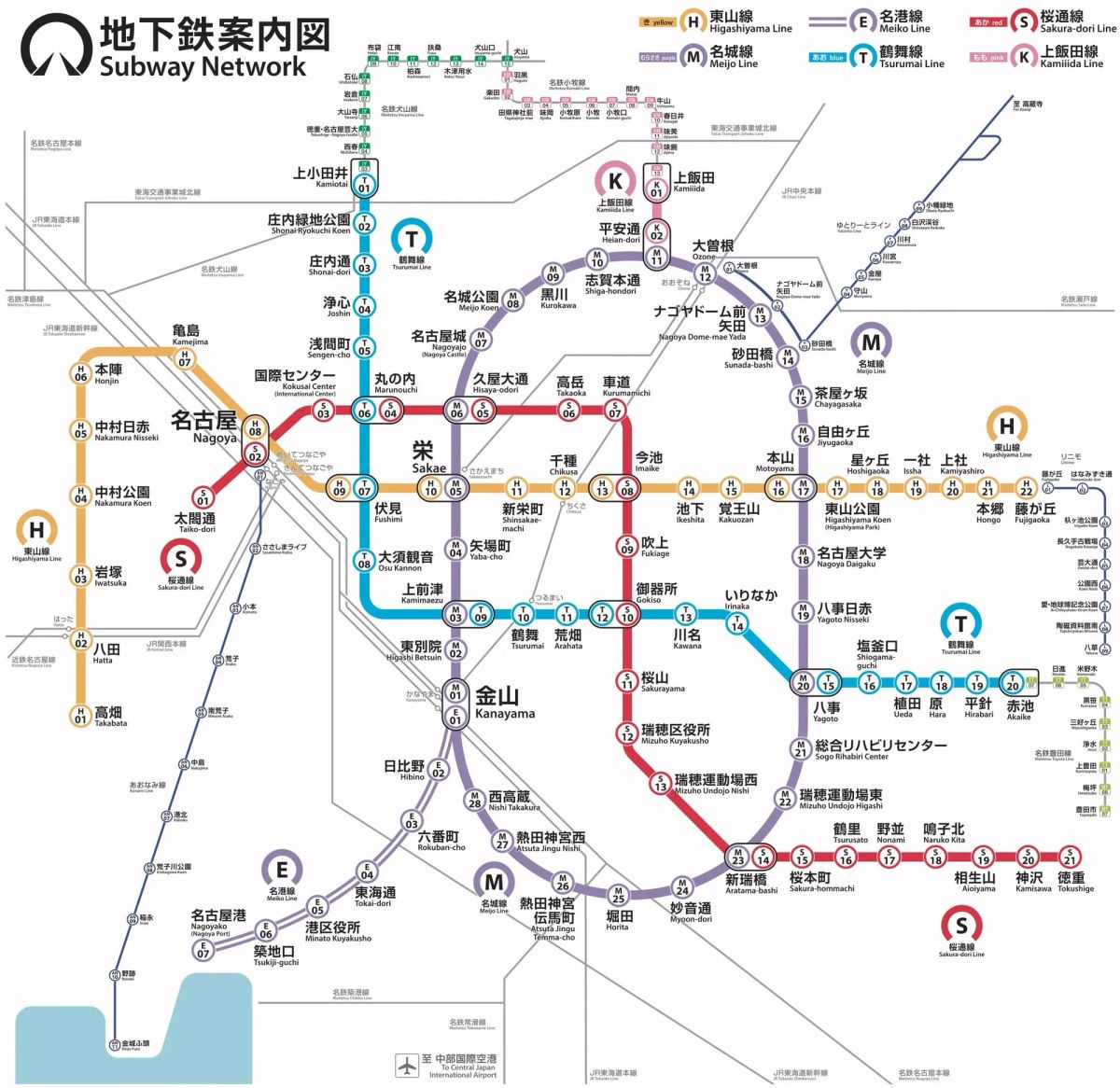
MAP
Read more bout the Honmaru Palace here:
Nagoya Buzz








Leave a Comment