

Nagoya Welcomes the New Year With Bonfires and Bells
The bonfire at Shiroyama Hachimangū cracks like a whip in the December air, sending sparks up toward stars you can actually see for once. Someone’s grandmother feeds last year’s omamori to the flames while her grandson films it on his phone. The smoke smells like cedar and endings. Behind you, a line of people shuffles forward in puffy coats, breath hanging in the air, waiting to throw coins and clap twice at midnight.
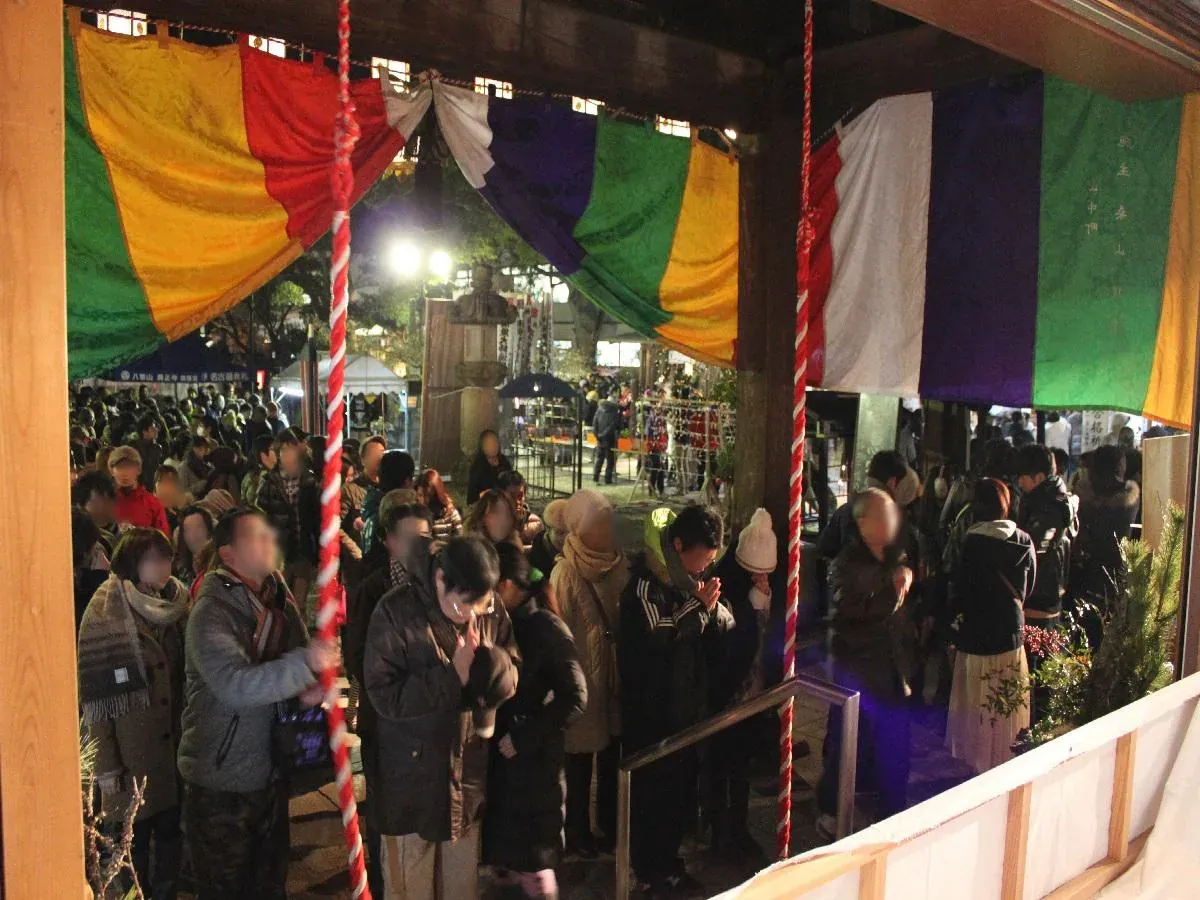
This is New Year’s in Nagoya—not the bar-side countdown you might be expecting, but something older, quieter, and somehow louder all at once.
New Year’s in Japan isn’t one event. It comes in two distinct movements. December 31st belongs to the night: bells, cold air, and letting go. Buddhist temples ring their bells 108 times, marking the release of the year’s accumulated weight. You listen more than you photograph. It feels contemplative, almost private, even in a crowd.
Then January 1st arrives with daylight and a different kind of energy. Families and friends move through shrine gates and temple grounds for Hatsumode, the first visit of the year—buying bright new charms, tying fortunes to branches, warming their hands on street food, easing into what comes next. You can do both, or you can choose your moment.
The temple-versus-shrine question tends to get overcomplicated. Here’s what matters. Temples are Buddhist, oriented toward release: bells at midnight, incense, hands together, no clapping. Shrines are Shinto, oriented toward renewal: coins in the box, two claps, new charms, fortune papers. Both welcome Hatsumode visitors, and shrines draw crowds at midnight too. In practice, it’s best to choose by atmosphere, not doctrine.
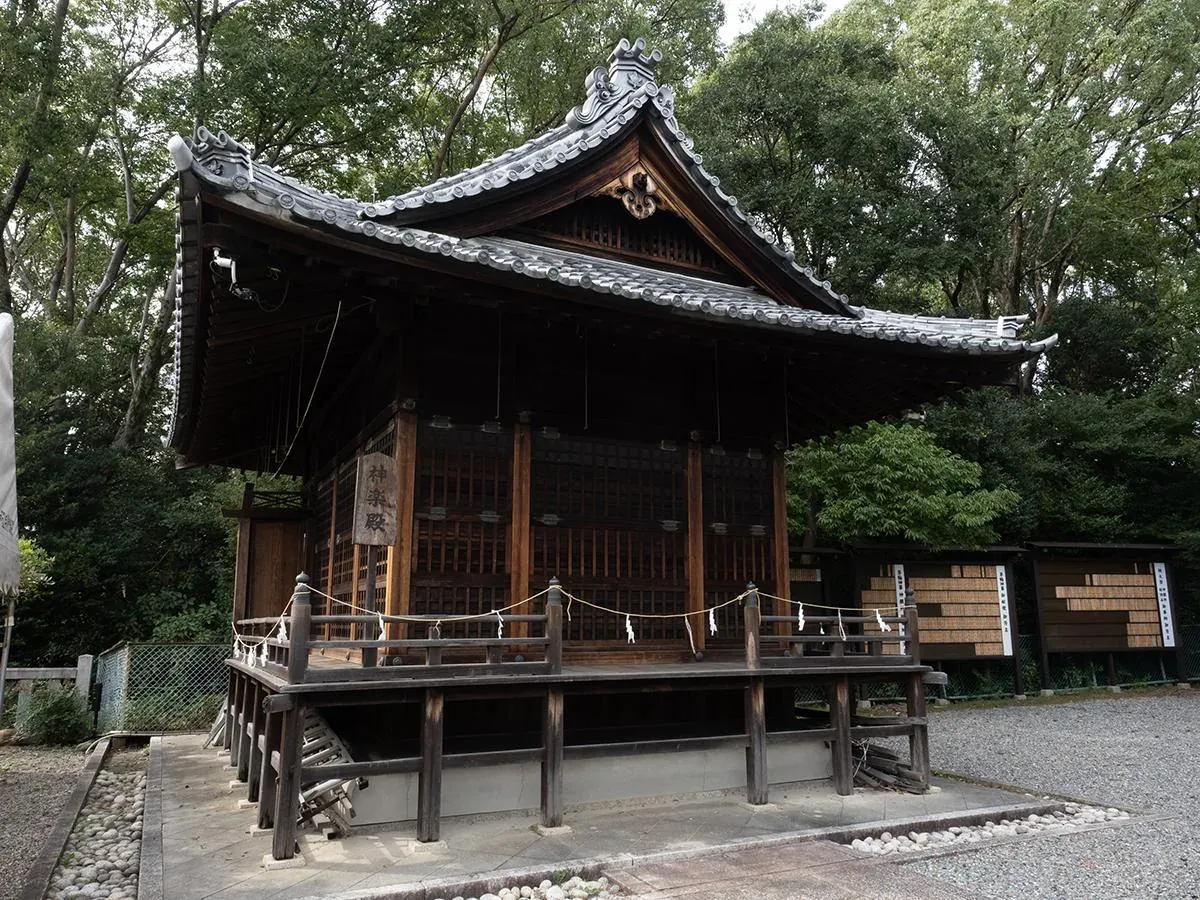
Shiroyama Hachimangū
Shiroyama Hachimangū remains my recommendation for anyone who wants the full experience without the exhaustion. You smell it before you see it—wood smoke mixing with amazake steam as you climb halfway up the Higashiyama hillside. The crowds stay manageable. You hear “akemashite” from neighbors rather than shouted instructions from staff.
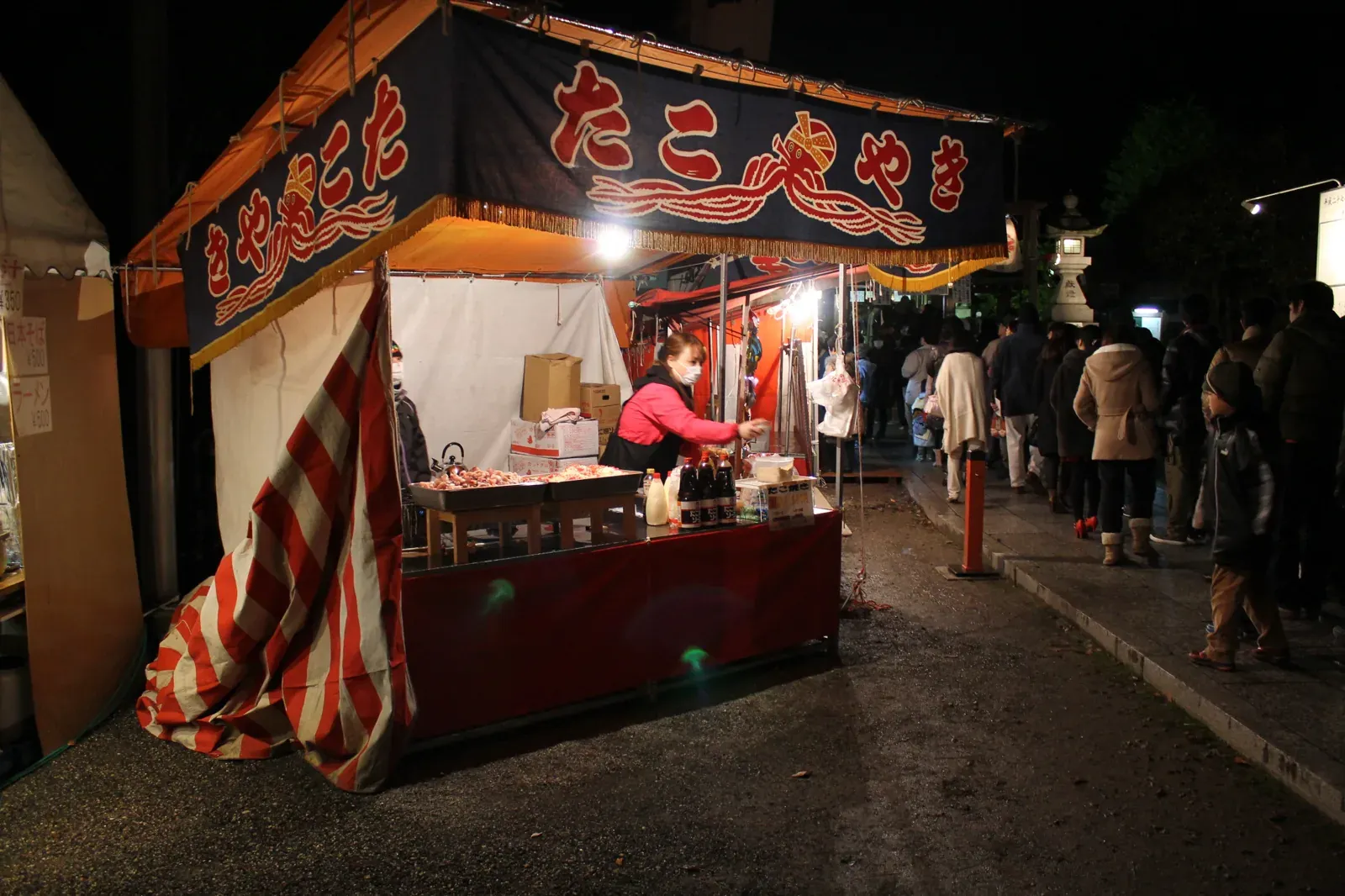
The bonfire burns through the night behind chicken-wire cages. Kids pull their fortunes while parents warm their hands and linger. It feels like a neighborhood gathering that happens to be sacred. The wait at midnight is usually around twenty minutes, not two hours, and this "relationship-luck" shrine manages to stay grounded even when visitors arrive from elsewhere.
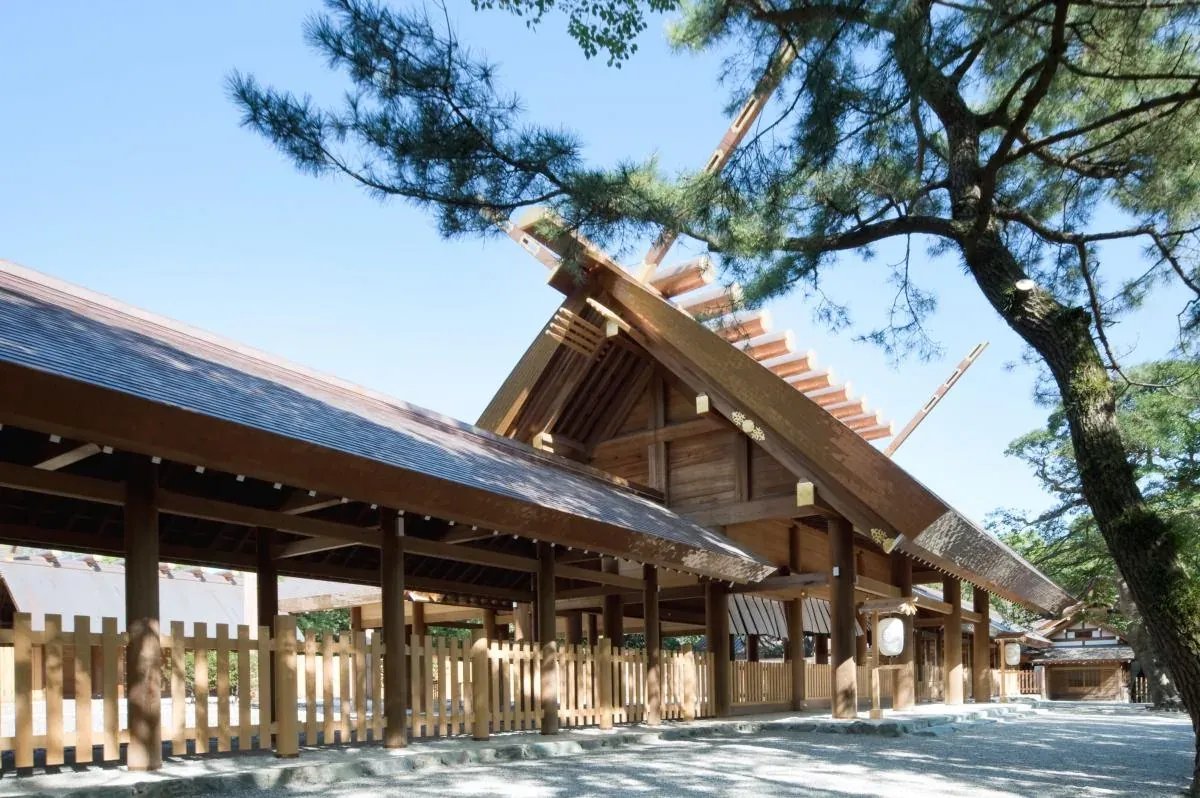
Atsuta Jingū
Atsuta Jingū is tradition at scale. Hoardes visit over the New Year to pay respects at one of Japan’s most important shrines, home to one of the imperial regalia you’ll never see, somewhere beyond the crowds you definitely will. The grounds are vast and beautiful, and historically essential.
It’s impressive in the way Times Square on New Year’s Eve is impressive—worth seeing once, but not especially cozy. Go early on January 2nd if you want a quieter experience. Midnight is usually better spent elsewhere.
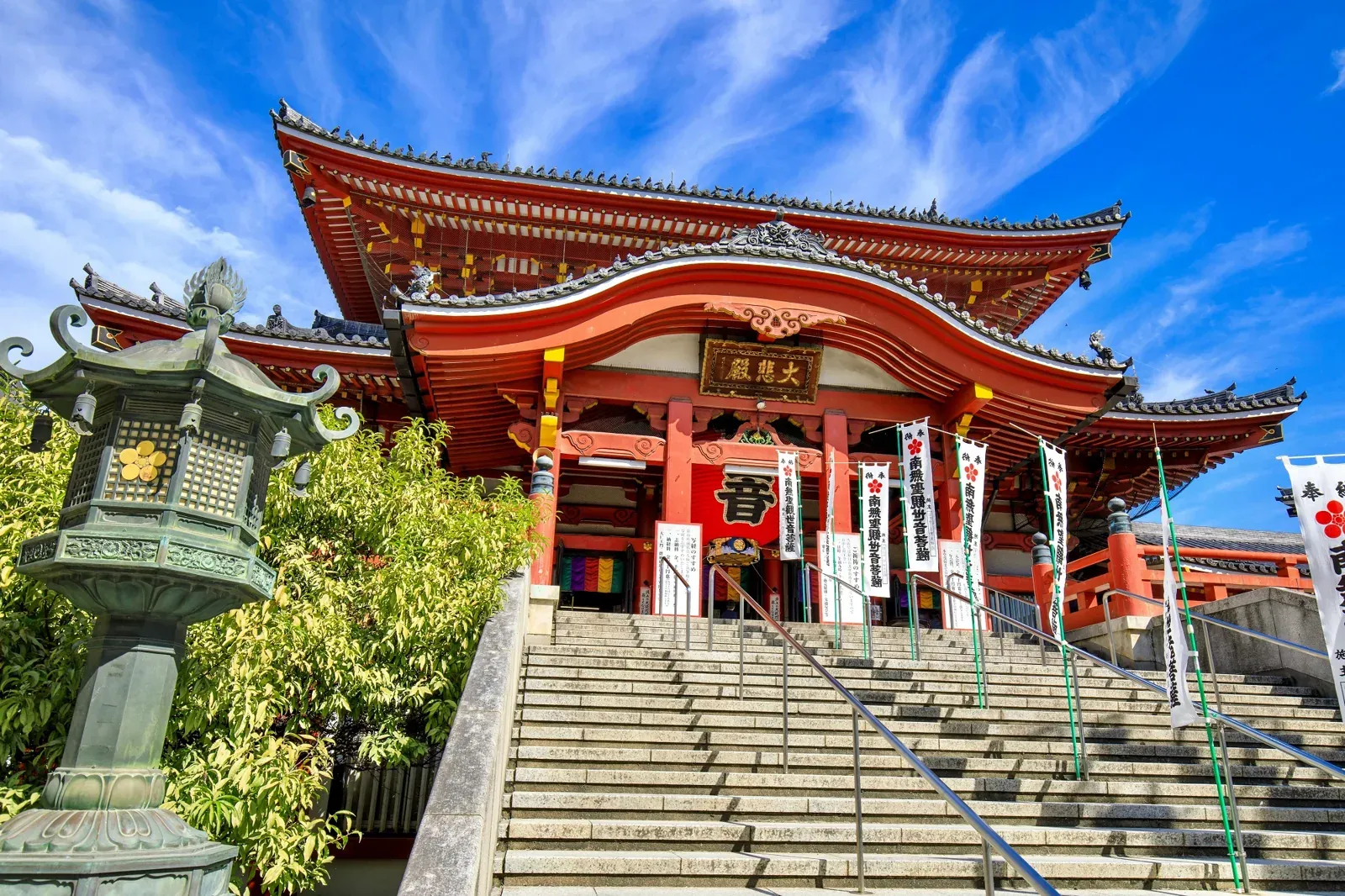
Ōsu Kannon
Ōsu Kannon offers a hybrid: temple ritual spilling directly into the city. On New Year’s Eve, the crowd moves easily between the bell and the shopping arcade. You might be able to ring the bell if public participation is open. You will definitely find food. Incense mixes with yakitori smoke, and five minutes in any direction gets you ramen, drinks, or the subway.
It’s a good choice if you want ritual without isolation—tradition that fits into real life rather than interrupting it.
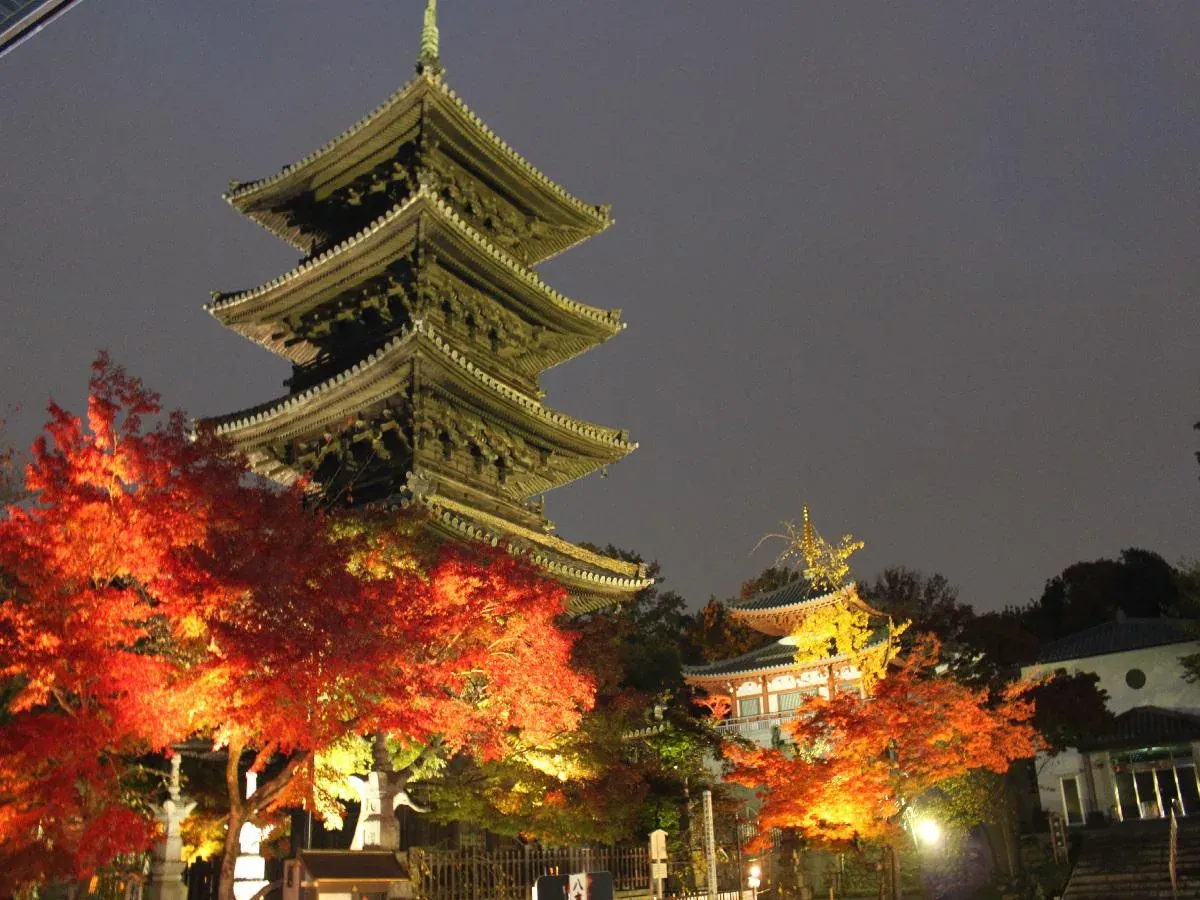
Kōshō-ji
That five-story pagoda visible from Higashiyama-dōri belongs to Kōshō-ji. When they allow public participation, visitors can ring the bell themselves. The crowds are smaller and more focused. The bell’s vibration travels straight through your body.
There are no food stalls here, no distractions. The pagoda stands against the winter sky like a silhouette, and you’re here to take part, not just observe.
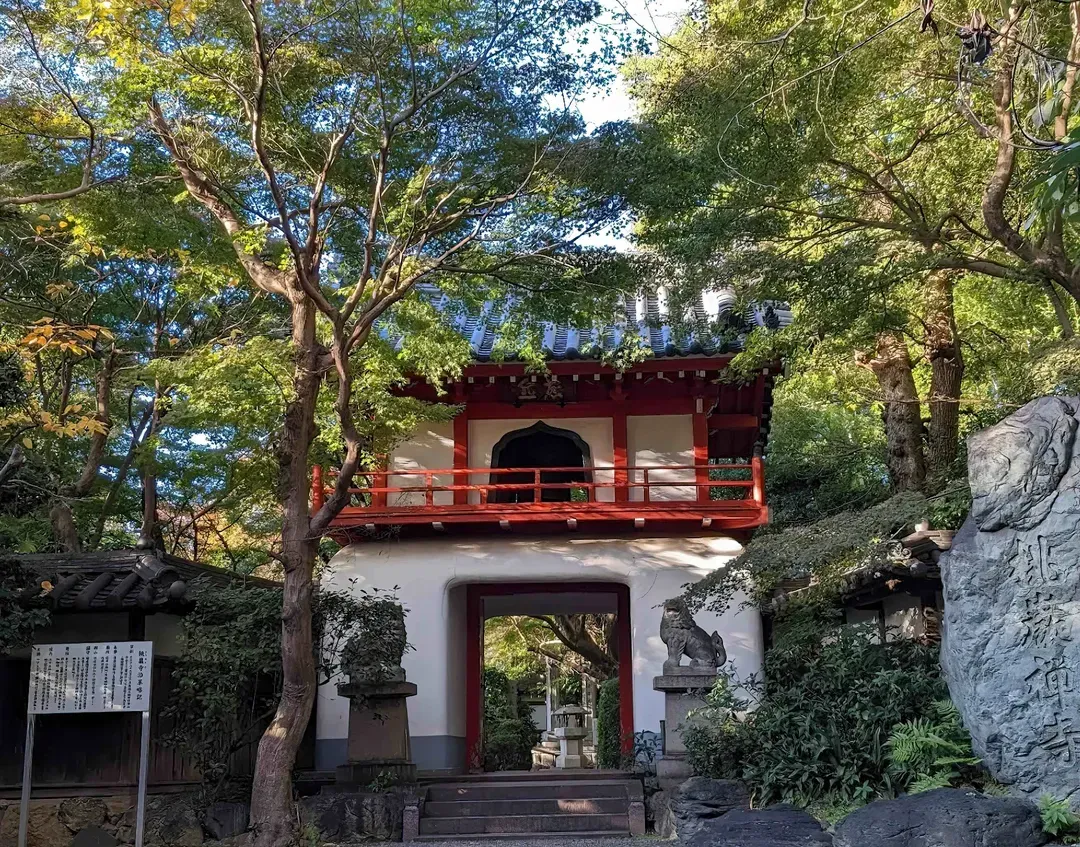
Tōgan-ji
Then there’s Tōgan-ji, the quiet option near Motoyama. The large green Buddha dominates a temple that opens the Sleeping Benzaiten hall only from January 1st to 5th. Local families know this. Most visitors don’t.
The bell echoes through residential streets rather than commercial ones. A notably large mokugyo drum rests in the courtyard like a wooden whale. This is the kind of place where New Year’s feels personal rather than performed.
Where To Go?
Choosing where to go comes down to what you want from the turn of the year. Shiroyama offers warmth and balance. Atsuta satisfies tradition. Ōsu Kannon blends ritual with appetite. Kōshō-ji favors participation. Tōgan-ji rewards quiet curiosity.
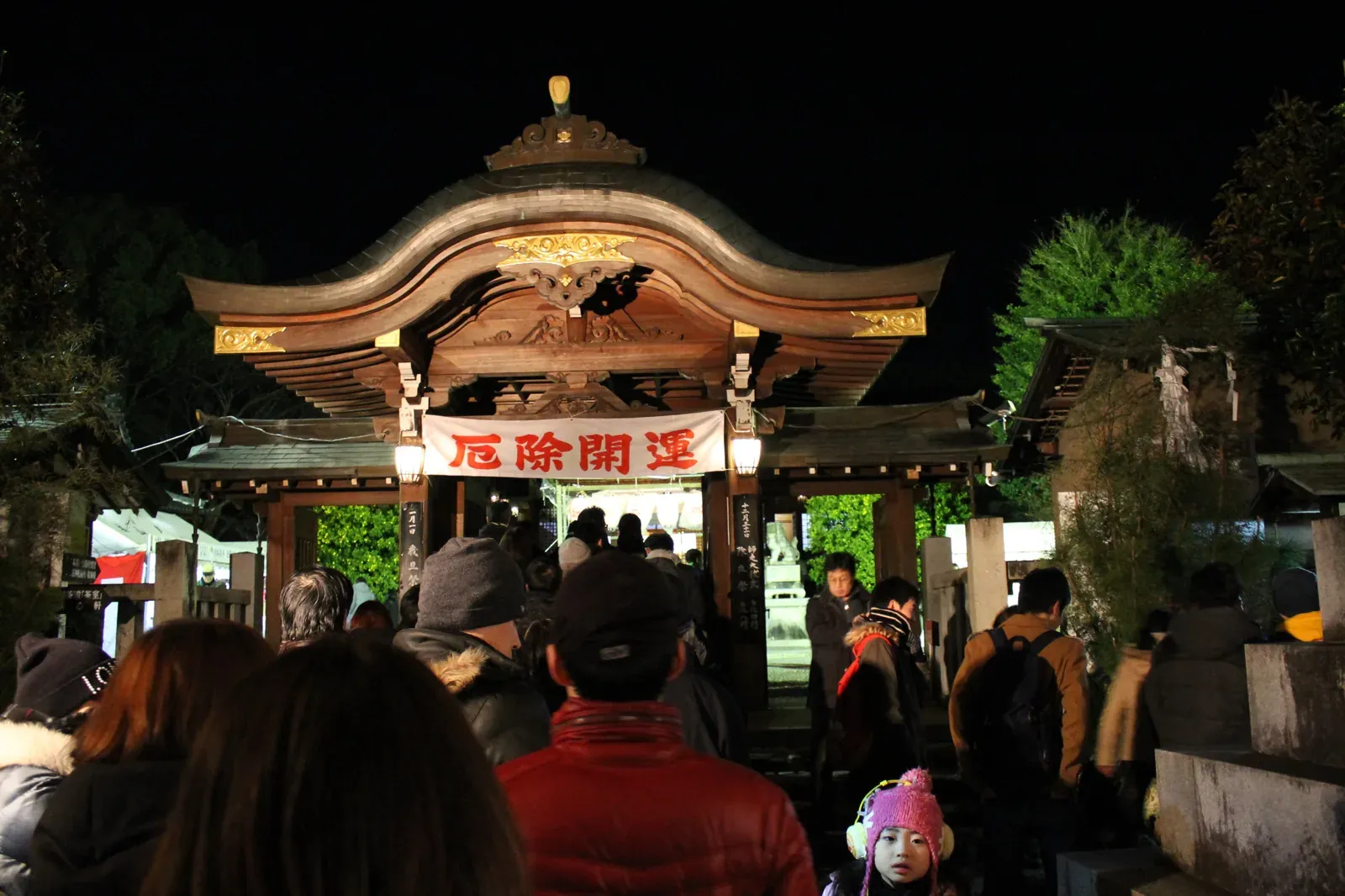
One thing people rarely mention: midnight isn’t mandatory. Hatsumode continues for several days, and January 2nd at 10 a.m. is far kinder to your feet than December 31st at 11 p.m. Bring cash—temples and shrines still run on coins and small bills. And that five-yen offering isn’t about thrift; go-en in Japanese sounds like “good connection.” Fortunes tied to trees are the unlucky ones—people leave what they don’t want to carry forward.
The real shift happens somewhere between the final bell and the first daylight prayers, in the shared pause when the year turns and everyone agrees to begin again. Whether you’re feeding last year’s charms to a fire or choosing new ones for the months ahead, you’re taking part in something that doesn’t ask for explanation.
It isn’t the countdown you might expect. But it’s a good way to start a new year.
The Details
Event: New Year's Celebrations (Ōmisoka & Hatsumode)
Dates: December 31, 2025 - January 3, 2026
Times: Dec 31 evening through Jan 3 all day
Price: Free entry (bring coins for offerings, ¥500-1000 for charms)
Shiroyama Hachimangū
Address:
2-88 Shiroyama-cho
Chikusa-ku, Nagoya
Access:
Motoyama Station
(Meijo/Higashiyama)
Exit 6, 8-min walk uphill
MAP
Atsuta Jingū
Address:
1-1-1 Jingu
Atsuta-ku, Nagoya
Access:
Jingū-mae Station
(Meitetsu)
3-min walk
MAP
Read more here...
 Doug Breté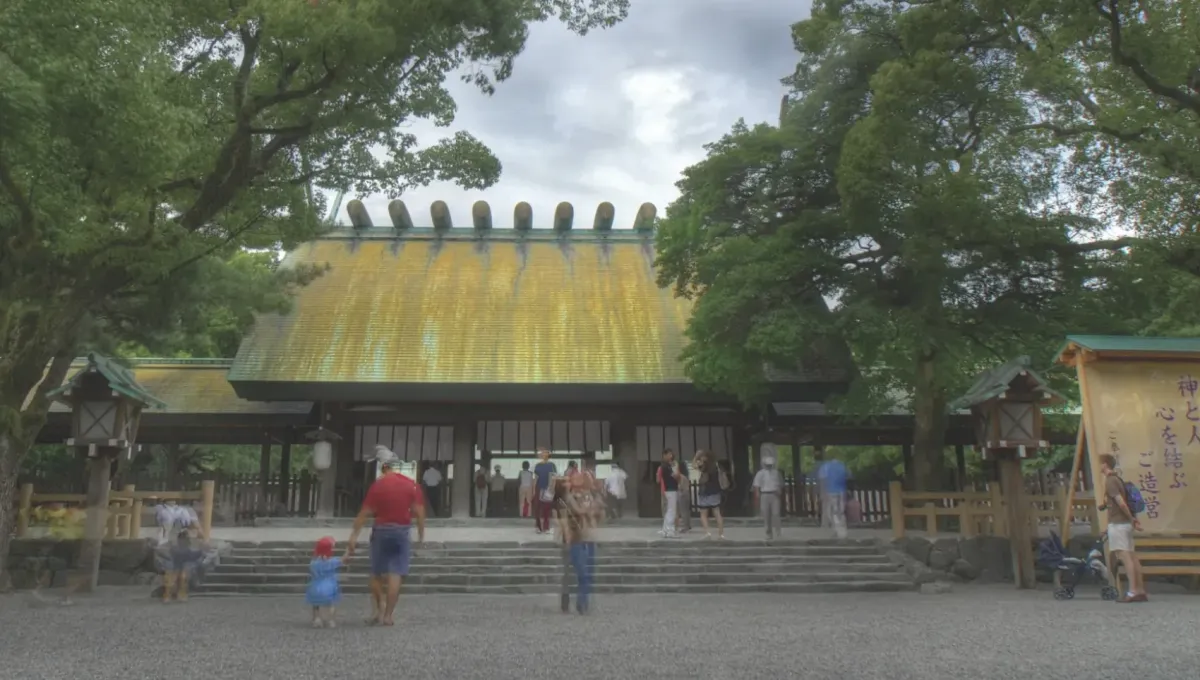
Ōsu Kannon
Address:
2-21-47 Osu
Naka-ku, Nagoya
Access:
Ōsu Kannon Station
(Tsurumai)
Exit 2, 3-min walk
Kōshō-ji
Address:
2-8-45 Yagoto
Showa-ku, Nagoya
Access:
Yagoto Station
(Meijo/Tsurumai)
Exit 1, 5-min walk
MAP
Tōgan-ji
Address:
4-13 Yotsuya-dōri
Chikusa-ku
Access:
Motoyama Station
(Higashiyama/Meijo),
Exit 6, 7-min walk
MAP
Read more here...
 Nagoya Buzz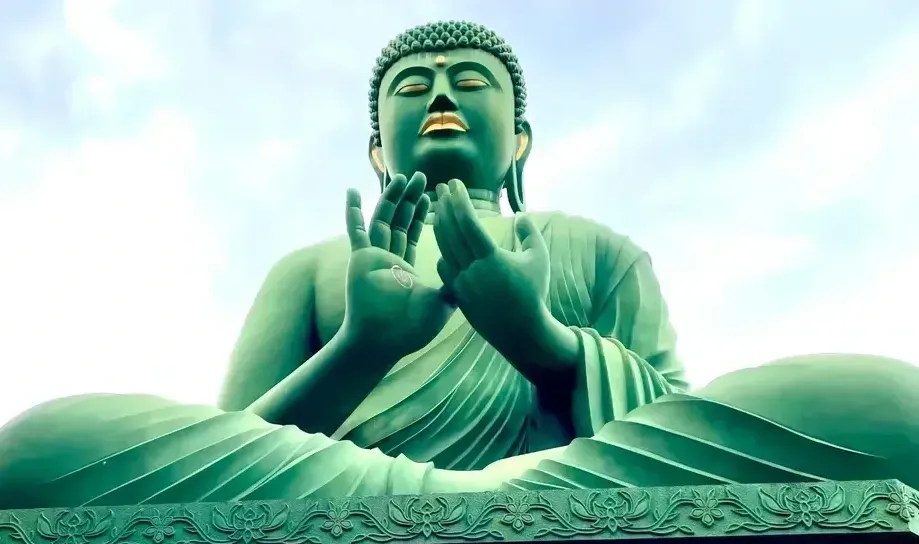
What else is going on in Nagoya?
Nagoya Buzz publishes weekly guides to events, exhibitions, food, and the small local things that make living here easier (and occasionally stranger).
If you found this useful, our Events page collects what’s happening around the city right now.
→ See upcoming events in Nagoya

in Nagoya?
Don’t ask the algorithm
Check Nagoya Buzz
#Nagoya #名古屋 #NewYearsInJapan #日本の正月 #Hatsumode #初詣 #JapanCulture #日本文化 #ShrinesAndTemples #神社仏閣 #NagoyaLife #名古屋生活



Leave a Comment