
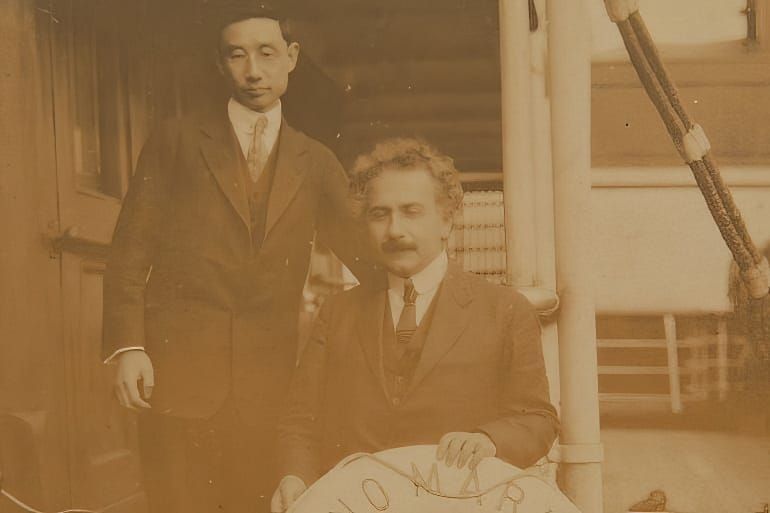
At the Tokugawa Art Museum until Sunday, December 13.
Open 10:00–17:00, closed Mondays. Adults ¥2,000.
If you have spent time in older Japanese homes, you know the bear.
Dark wood, about the size of a loaf of bread, a salmon clamped in its jaws.
Granny has had it parked on the shoe cupboard since somebody went to Hokkaido in 1974.
The bear is Swiss, more or less, and Nagoya is partly to blame.
Two bears are on show at the Tokugawa Art Museum this autumn. One was bought in Bern in 1922 by Yoshichika Tokugawa, the 19th head of the Owari Tokugawa family.
The other was carved about two years later by Masao Ito, a dairy farmer in Yakumo, Hokkaido, who had the Swiss one to work from. Ito's is counted as Hokkaido's first wooden bear.
Neither carries a salmon.
Neither has been shown in Nagoya before.
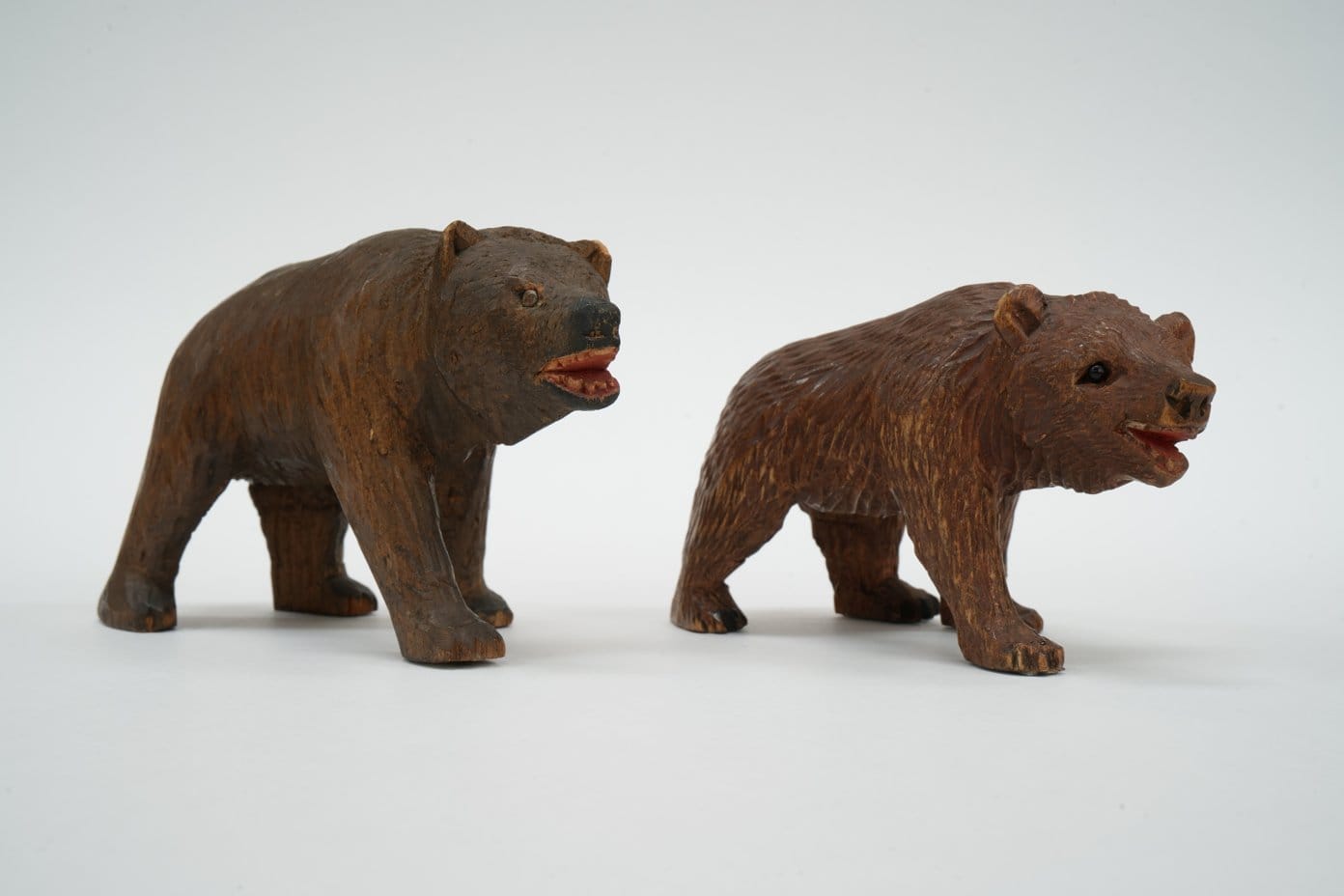
The connection runs through Yakumo. Former Owari retainers began settling there in 1878, the family ran a farm in the town, and winter left its farmers with months of no income. Yoshichika had seen Swiss farmers selling carvings to tourists and thought Yakumo could do the same, so he sent his bear north as a sample. In March 1924 the town held its first farm-craft show, and Ito's bear was in it.
Yoshichika is the reason for this exhibition. He was born 140 years ago, died 50 years ago, and founded the museum in 1935. Born a Matsudaira, he was adopted into the Owari Tokugawa as a student and became head of the family at 21.
He then spent a good part of his life somewhere else.
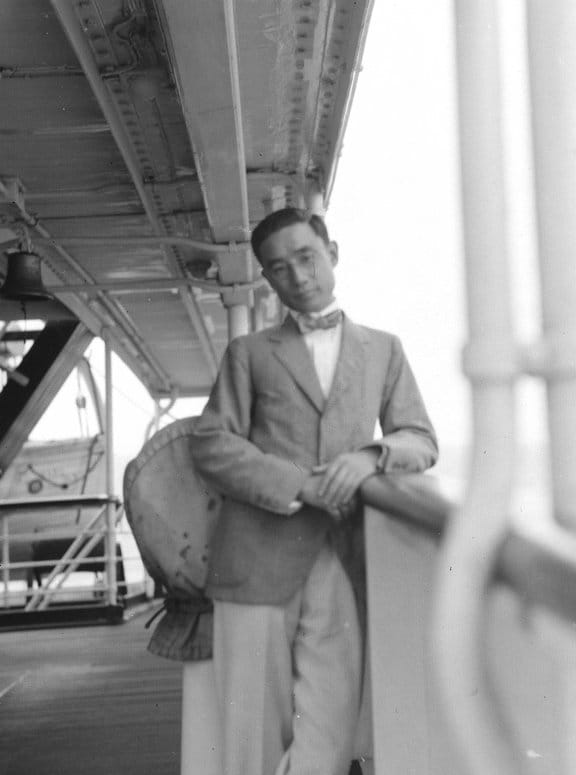
He had photographs to show just where he went. In 1921 he is on the deck of the Kamo Maru, bound for Southeast Asia, bow tie on, leaning on the rail.
A year later he is on a liner coming home from Europe in a striped suit and flat cap, sitting on the deck at the feet of his wife, Yoneko, who has the chair. They had been through about 17 countries.
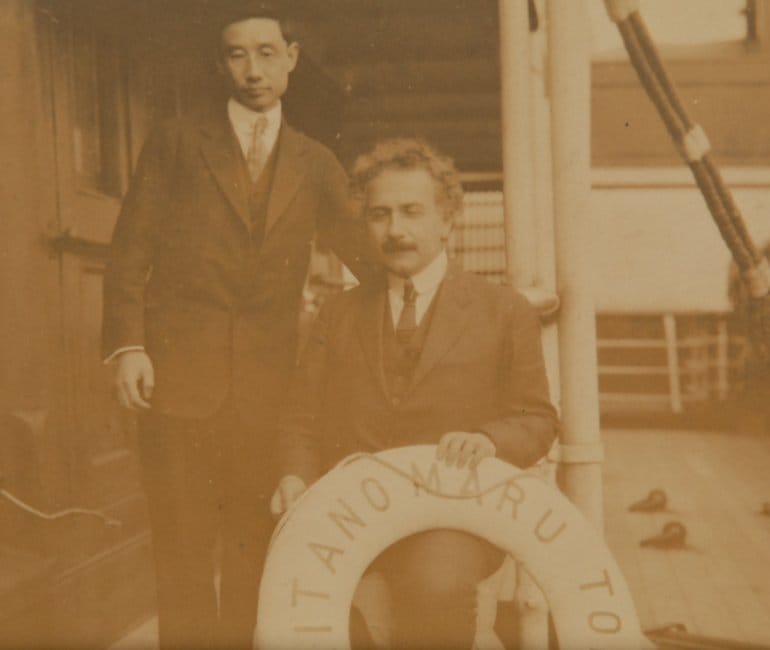
Albert Einstein was on the same ship, on his way to lecture in Japan, and there is a picture of the two of them behind a life ring stamped Kitano Maru. Word of Einstein's Nobel Prize reached the ship on the way, and Yoshichika ended up giving interviews to the reporters who came aboard.
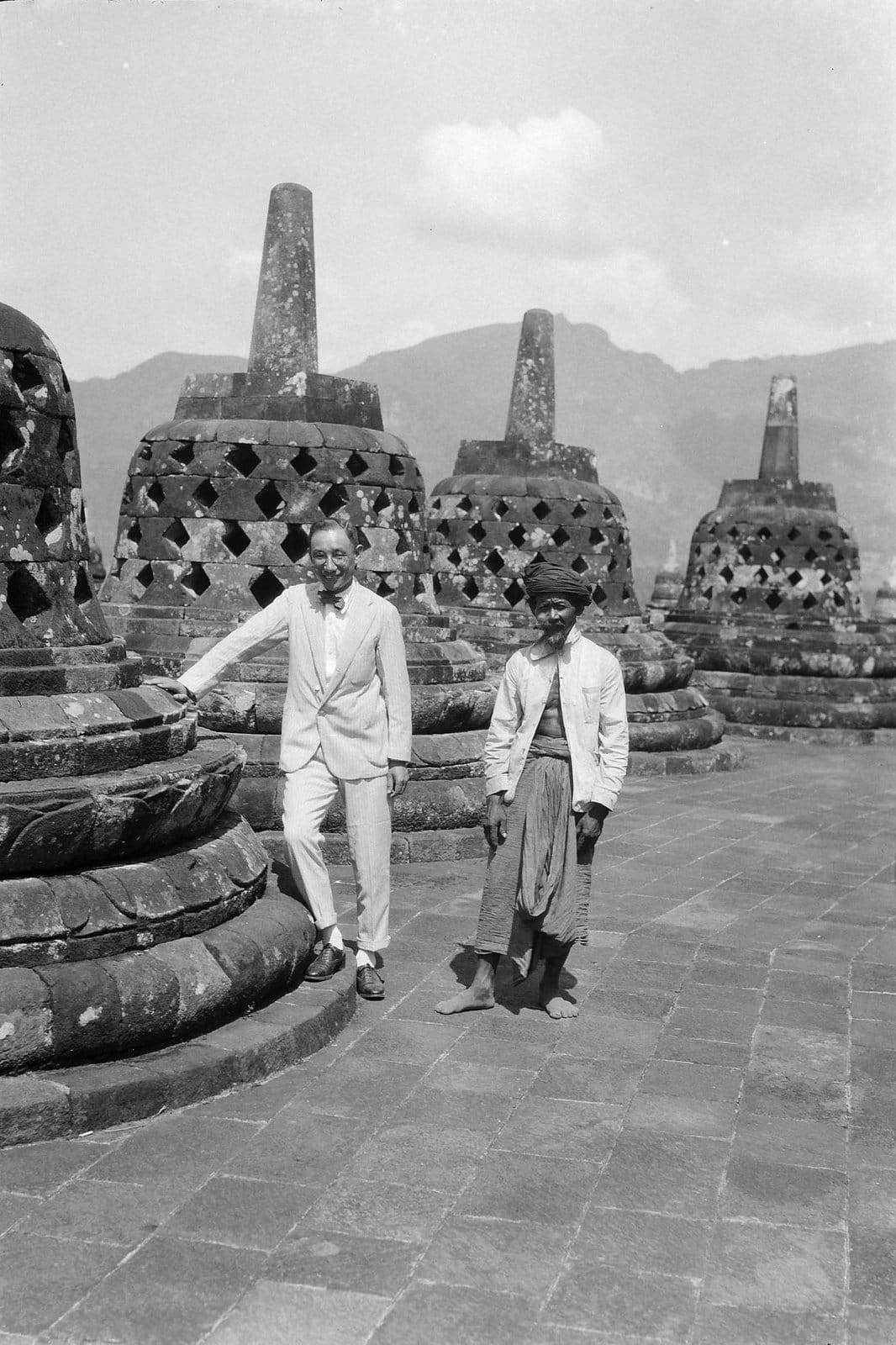
In 1929 he is at Borobudur, in what was then the Dutch East Indies. A thousand years of Buddhist stonework, and he has a hand on it like it's the hood of a new car. White suit, bow tie, grinning.
Beside him stands a barefoot man in a turban whom the caption doesn't name. The picture reveals more about how he traveled than where.
The Kamo Maru voyage in 1921 led to the tiger hunt. His doctor had recommended a change of climate to relieve a case of hives.
Yoshichika promptly sailed to Singapore then on to Johor for a bit of a shoot.
As reasonable a cure as any in those days I suppose.
An Asahi reporter assumed that a lord known for hunting bears in Hokkaido must be going after tigers, and the headline said so. Then the Sultan of Johor telephoned with an invitation, and at Muar Yoshichika shot a tiger and an elephant.
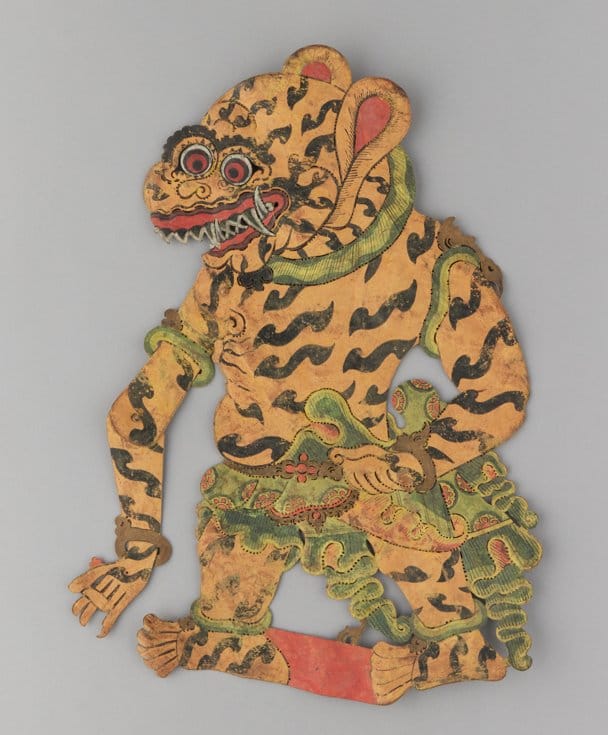
Japan had already been told he was the tiger-hunting lord, toragari no tonosama. Now he really was. The exhibit includes a tiger-striped shadow puppet, which may or may not be a coincidence.
Whatever got carried home went into the front hall of his house in Mejiro, Tokyo: stained glass, oil paintings, a cannon the family had owned since the Edo period, a Hokkaido bear, a carpet in an Ainu pattern, crafts from Southeast Asia.
The museum has recreated that entrance in the gallery from period photographs. Footage he shot in Southeast Asia plays in the Hosa Library lobby.
Someone forgot the shoe cupboard.
The same ticket covers the main galleries, where two sections of the National Treasure Tale of Genji scrolls are on view from November 14 to 29.
The bears are only in town until December 13.
The Details
Yoshichika Tokugawa:
Journeys of a Marquis
Venue
Tokugawa Art Museum
and Hosa Library
Address
1017 Tokugawa-cho
Higashi-ku, Nagoya
Date(s)
Thu, Oct 8 – Sun, Dec 13, 2026
Time
10:00–17:00
Last entry 16:30
Price
Adults ¥2,000
High school, university ¥1,200
Junior high and under free
Website
Exhibition page
Good to know
Closed Mon (open Nov 23)
Closed Tue, Nov 24
Access
By Train
JR Chuo Main Line from Nagoya to Ozone (CF04)
About 20 minutes
South Exit, then about 10 minutes on foot
By Subway
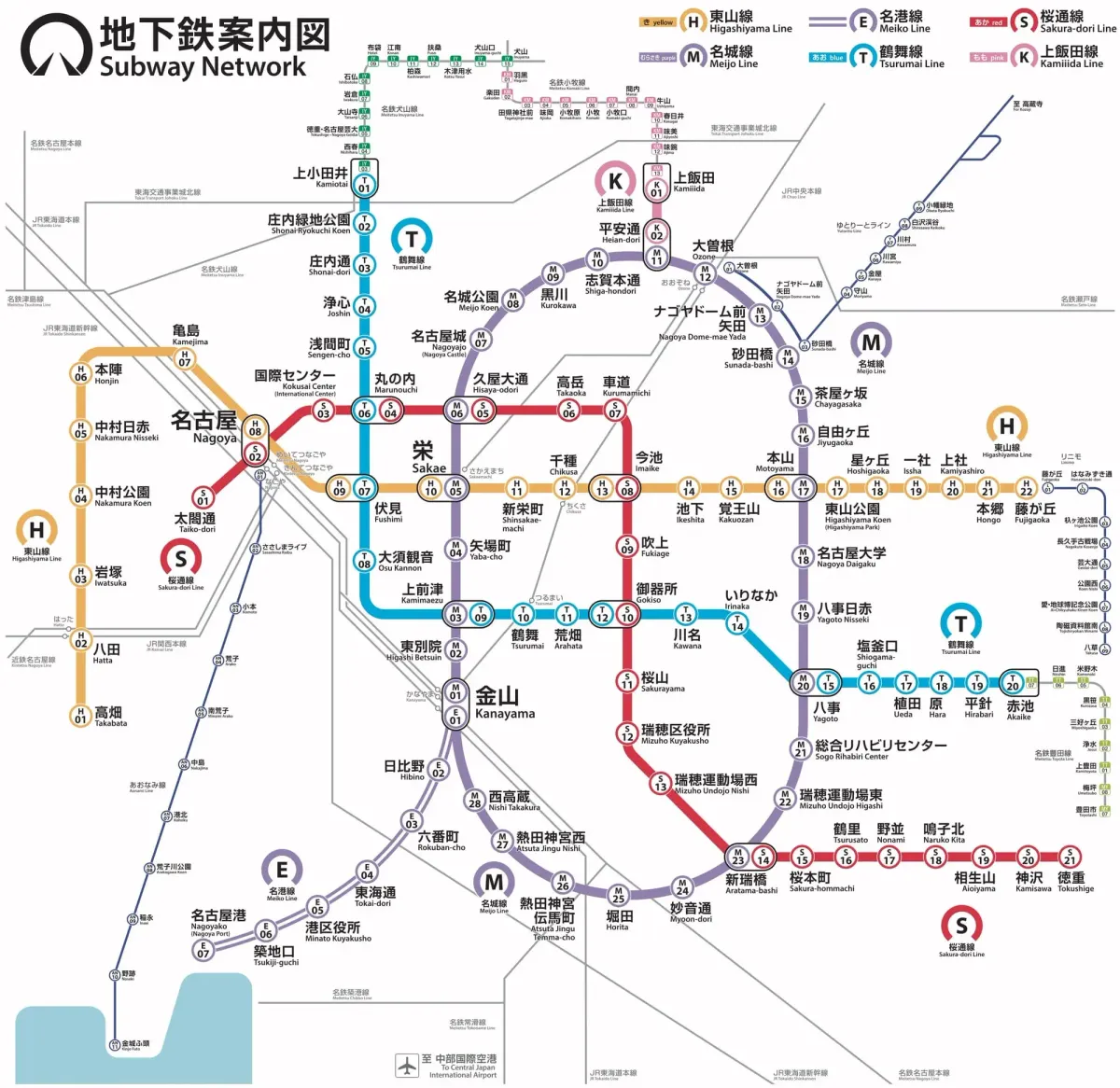
Meijo Line (clockwise) from Sakae (M05) to Ozone (M12), Exit E5
About 15 minutes on foot
Exit E5 is in the Oz Garden passage, not one of the numbered subway exits.
By Bus
Me~guru sightseeing bus from Nagoya Station Bus Terminal, boarding stand 11
About 30 minutes to "Tokugawaen, The Tokugawa Art Museum, Hosa Library"
About 1 minute on foot
 Nagoya Buzz
Map


Leave a Comment