
The Atsuta Matsuri: Celebrating Tradition, Summer, and... Fireworks!
Held every year on June 5, Atsuta Matsuri — also known as theShōbu-sai — is the biggest annual festival at Atsuta Jingū and the unofficial start of Nagoya's summer. In 2026 it falls on a Friday, which means that the weekend starts off with a bang.
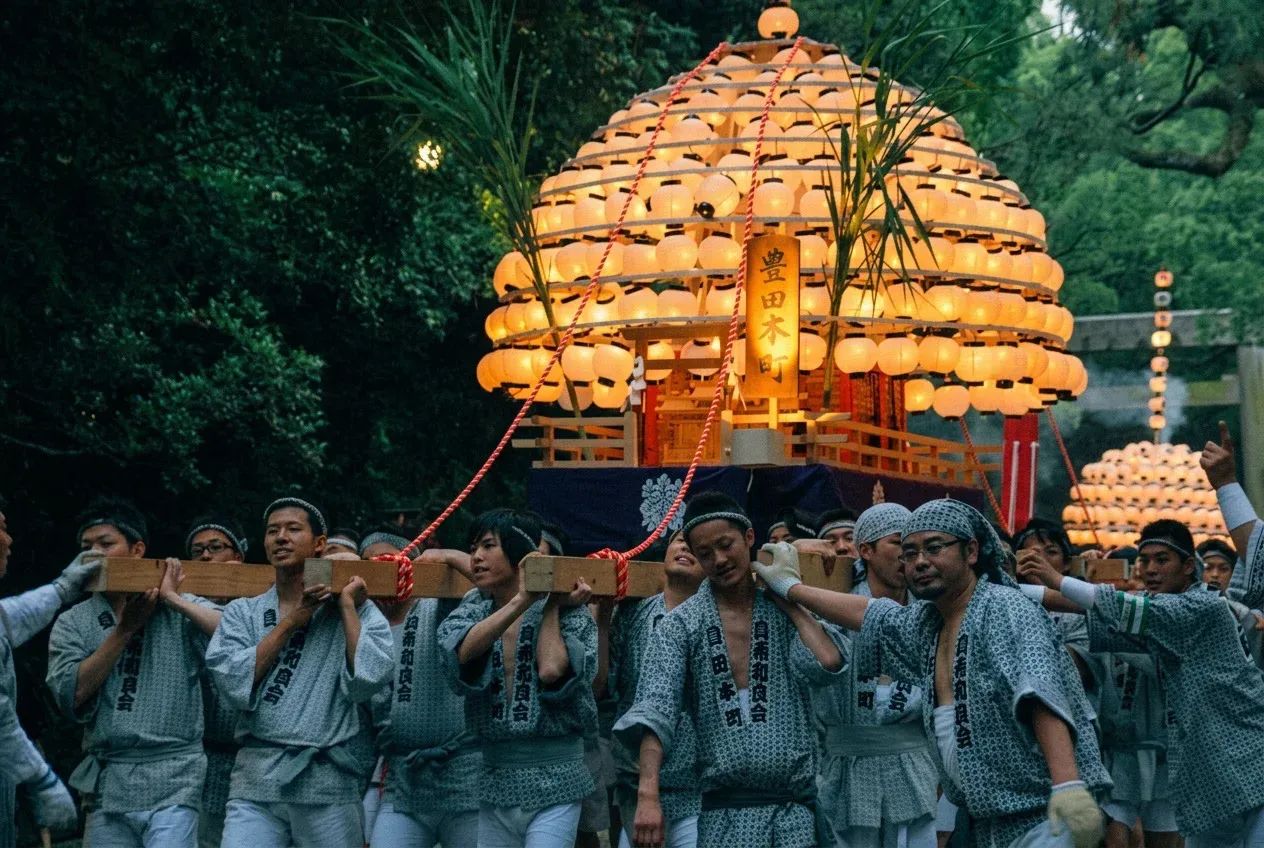
The day runs from a formal Shinto ceremony at 10:00 through to fireworks at 19:50. In between there are martial arts demonstrations, traditional dances, Noh, tea ceremony, ikebana, food stalls, and the spectacular lantern display that has been the visual signature of this festival for centuries.
A Brief History of Atsuta Jingū and the Festival
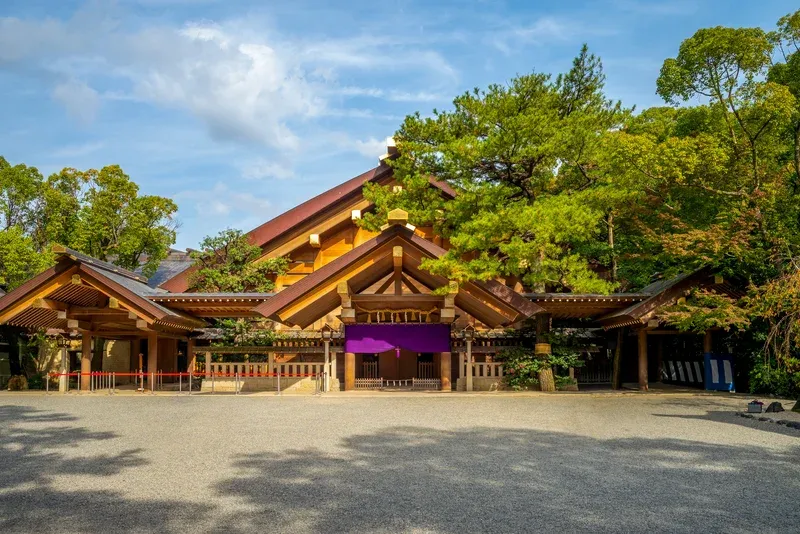
Atsuta Jingū has stood in the south of Nagoya for roughly 1,900 years, making it one of the oldest and most significant Shinto shrines in Japan. It sits behind Ise Grand Shrine in the hierarchy of sacred sites — but only just. The shrine draws close to seven million visitors a year, most of them Japanese, many of them returning.
The shrine is traditionally said to enshrine the Kusanagi no Tsurugi, one of Japan's Three Imperial Regalia — the sacred sword that, alongside a mirror and a jewel, has historically symbolized imperial legitimacy. The sword is never displayed. There is no exhibition, no replica, no viewing window. This is a working shrine, not a museum, and the festival reflects that.
Atsuta Matsuri is the shrine's Rei Sai — its most important annual ceremony. An imperial envoy attends on behalf of the emperor, as has been the case for centuries. That gives the event a formality that most summer festivals in Japan don't have. The fireworks are the biggest draw for most people, and with good reason - they are spectacular. But the festival offers so much more.
The Day's Events:
Ritual and Performance
Morning Ceremonies
The festival opens at 10:00 with the main Shinto ritual at the Main Sanctuary, conducted by shrine priests and the imperial envoy. It is a formal offering to the enshrined deities — not a performance staged for visitors, but visitors are present. Arriving early to see the grounds before the crowds build is worth the effort.
Traditional Performances
Through the day, the shrine hosts a series of dedicated performances and demonstrations — formal offerings to the shrine rather than a conventional stage program.
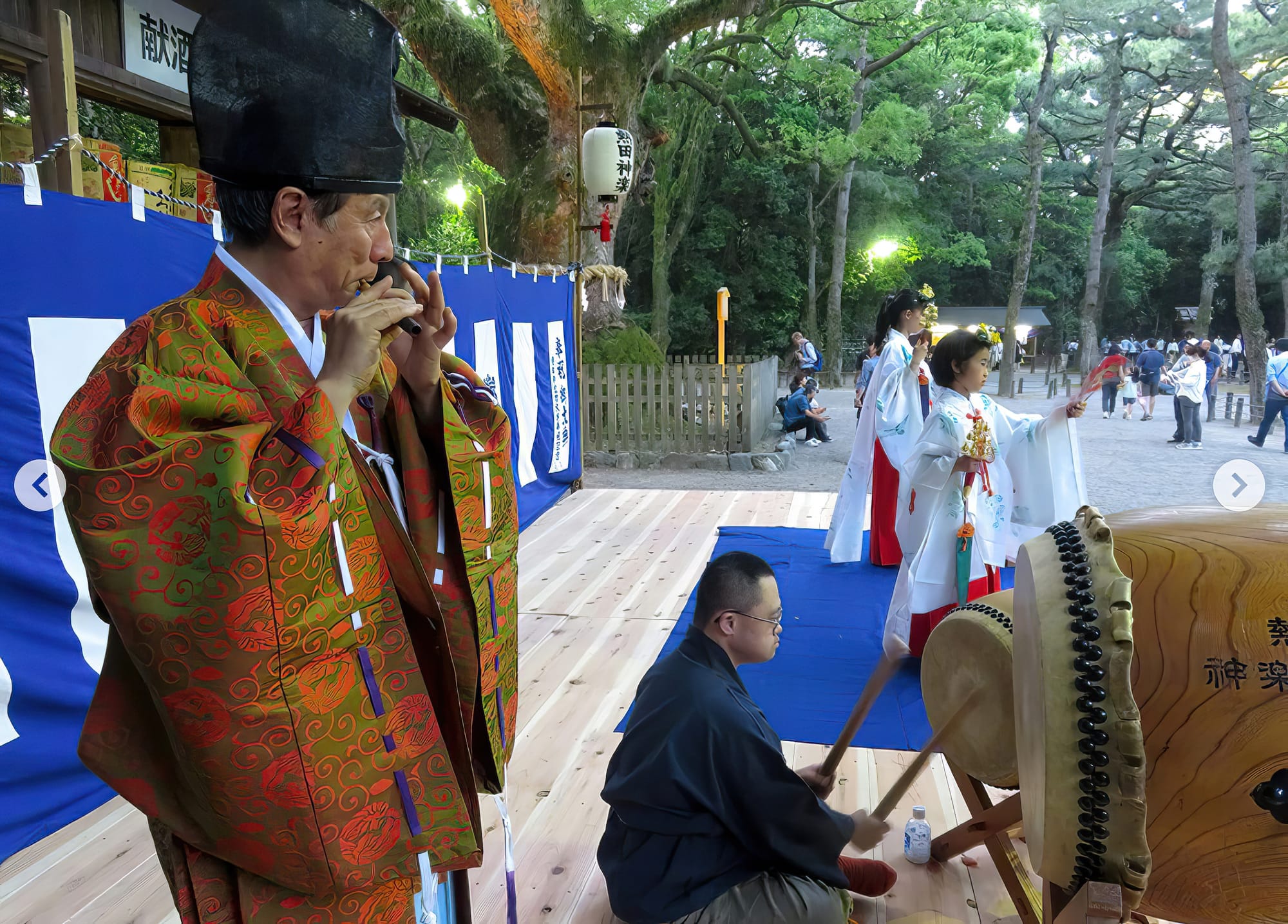
Atsuta Kagura is the centerpiece: a form of Shinto dance performed with traditional flutes and taiko drums that has been performed at this shrine continuously for close to 1,800 years. It is specific to Atsuta and well worth watching even without a complete understanding of all that it signifies and represents.
The martial arts program includes kyūdō (Japanese archery), kendo, judo, and sumo — held in dedicated halls and arenas within the grounds. The kyūdō begins at 09:00 and is worth arriving early for. Noh performance runs from 10:00 at the Nogakuden, one of the few remaining working shrine Noh theaters in Japan.
Cultural Exhibitions
Ikebana demonstrations start at 14:00. Tea ceremony is available from 10:30 to 15:00. Neither requires any prior knowledge, and both offer a quieter counterpoint to the physicality of martial arts program.
Evening: Lanterns and Fireworks
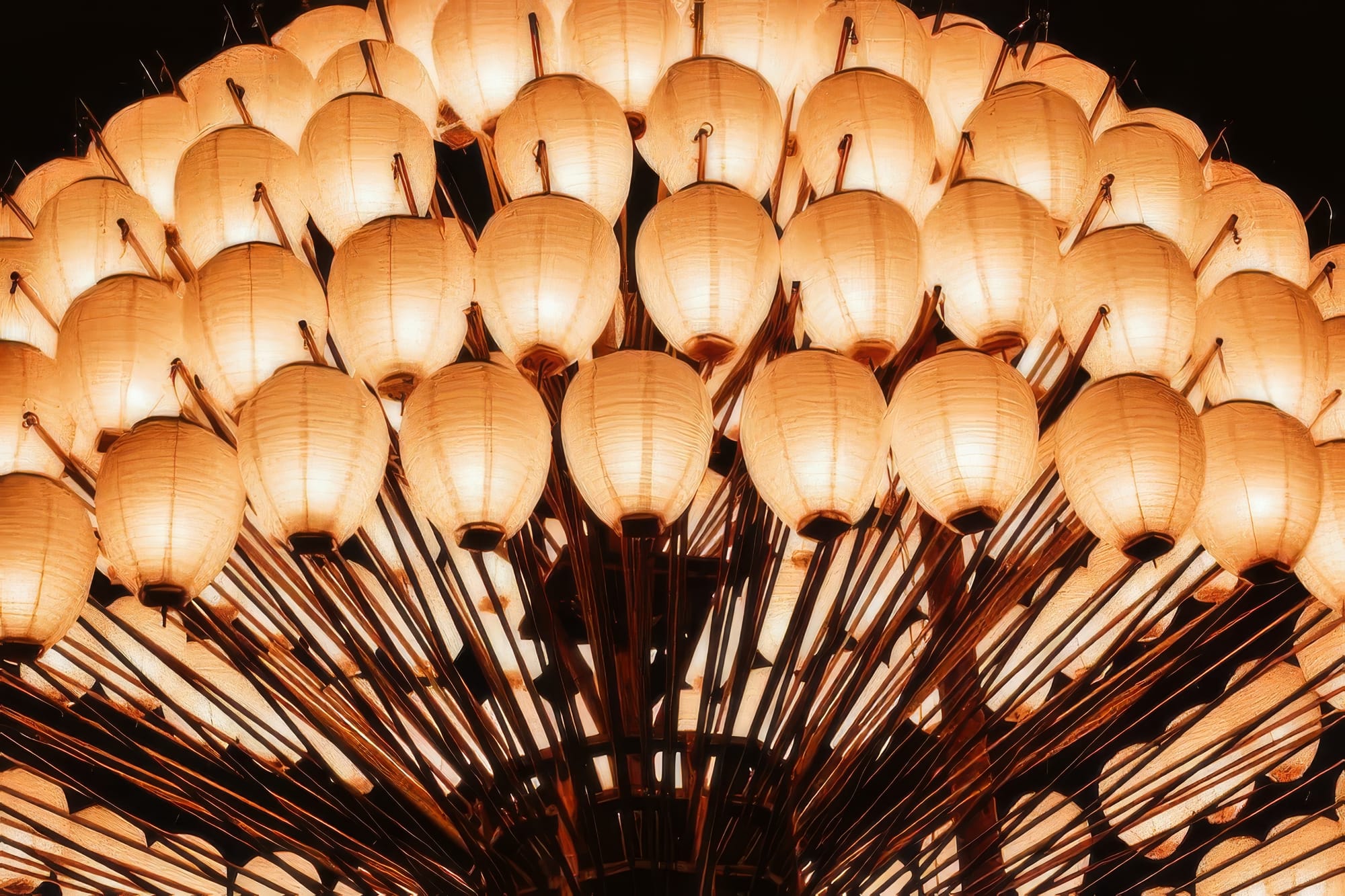
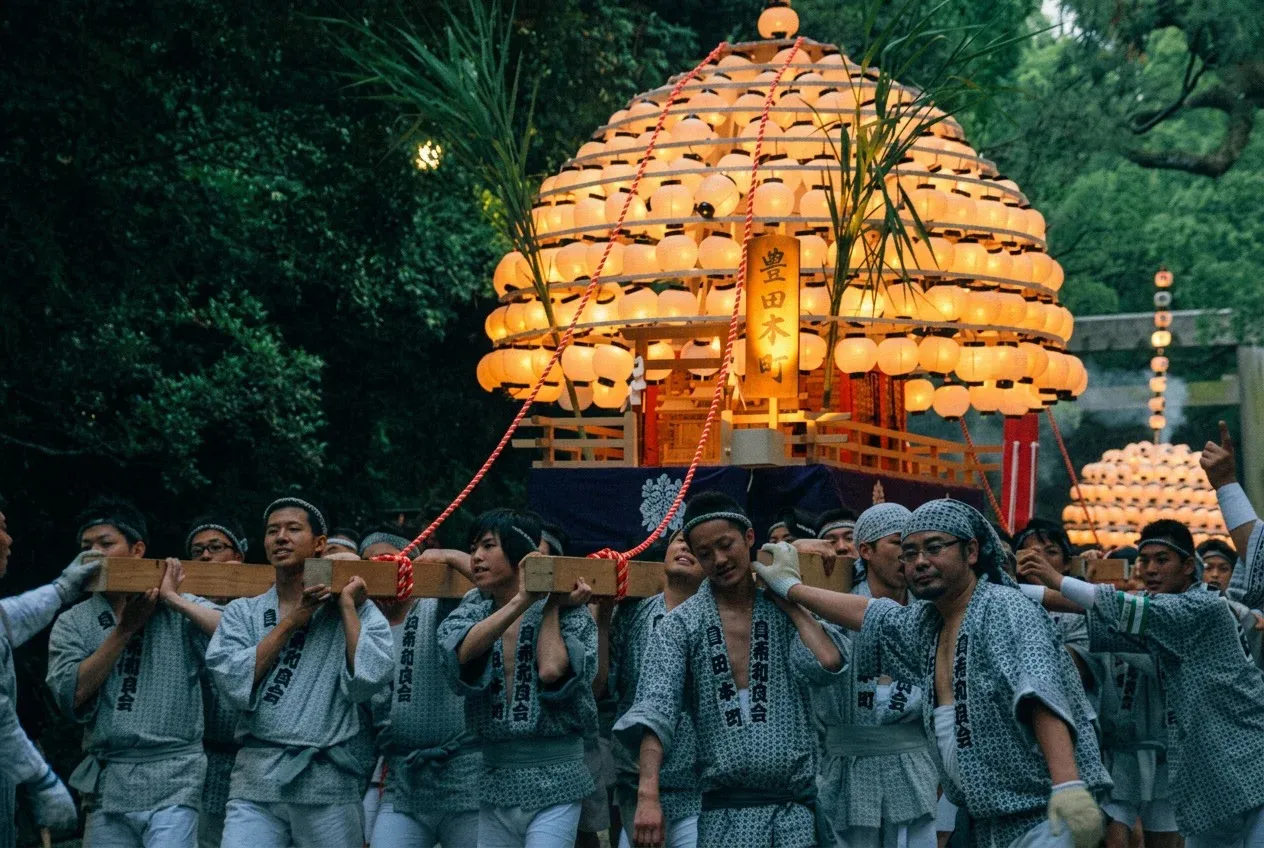
At 17:30, the Kento Makiwara lantern display begins. Five large dome-shaped floats are placed at the shrine's torii gate entrances — two at the east gate, two at the west gate, one at the south gate.
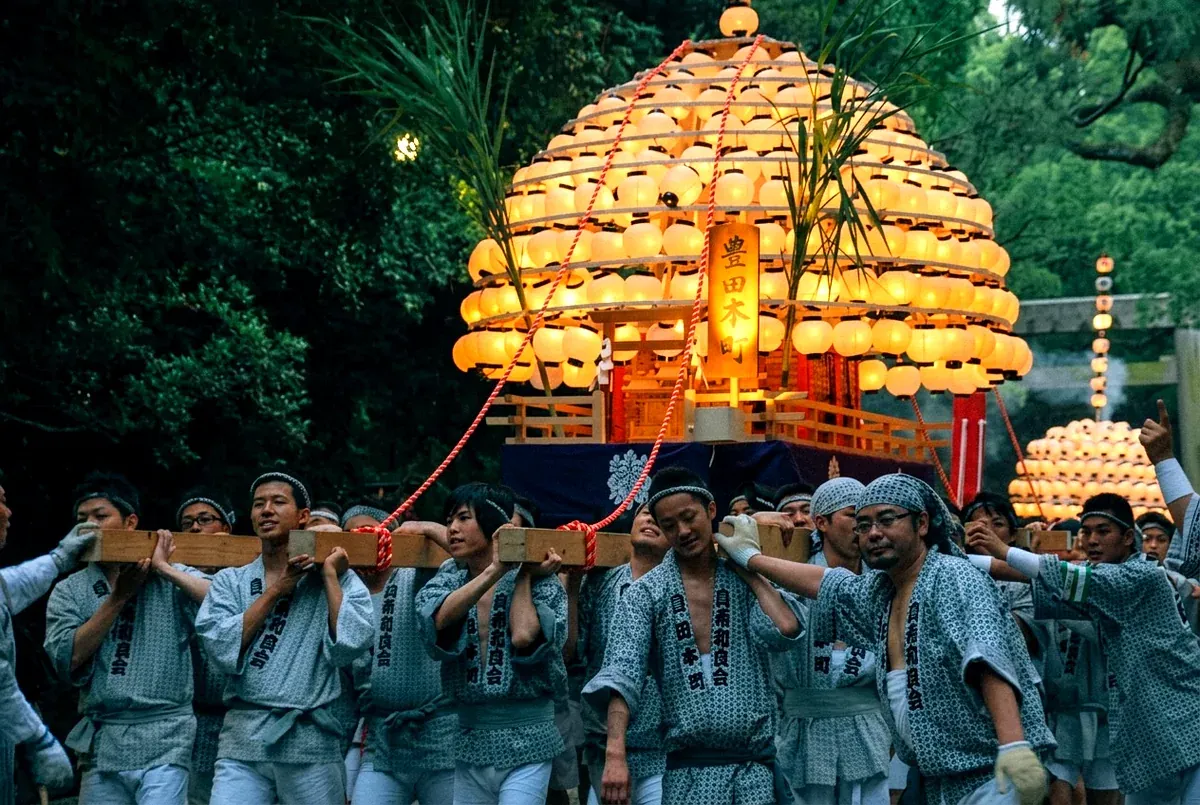
Each carries 365 lanterns across its surface, one for every day of the year, with 12 lanterns along the central pole for the 12 months. The offering is a prayer for a year of good health. They burn from 17:30 to 20:30, and when they are lit against the old camphor trees at dusk, with the smell of food from the stalls and the crowd moving slowly through the grounds, it is the best Nagoya looks all summer.

The Fireworks
Around 1,000 fireworks are launched from Jingu Koen starting at 19:50, running until 20:30. The park itself is closed to entry during the display — viewing is from the surrounding streets and approaches. What makes the Atsuta fireworks different from most hanabi in Japan is the setting: the fireworks go up directly over the shrine's ancient tree canopy, against a sky already warm from the lanterns. Around 250,000 people attend over the course of the day. Get into position well before 19:00.
Weather can postpone or cancel the fireworks. Check the official website if the forecast is uncertain.
The Festival's Unique Vibe

The food stalls line the approach to the shrine and surrounding streets — takoyaki, kakigōri, yakisoba, yakitori — a lot of grilled things on sticks.
This is standard festival fare, but that is part of the enjoyment.
Yes, it gets crowded.
Yes, it gets loud.
This is the ultimate Japanese matsuri experience. At some point in the evening, most everyone around you will be wearing a yukata. The lanterns will be burning, and Nagoya will show you the longer story of its place in Japanese history. That moment is what Atsuta Matsuri is all about.
As are — well, the fireworks.
Atsuta Festival Tentative Timetable
(Note: Performance times and locations are subject to change. Please verify the official schedule on the day of the event.)
| Time | Event | Location |
|---|---|---|
| 09:00 | Japanese Archery (Kyudo) | Kyudo Hall |
| 10:00 | Shinto Rituals | Main Sanctuary |
| 10:00 | Noh Performance | Nogakuden |
| 10:30 - 15:00 | Tea Ceremony | Chasoki Area |
| 11:00 | Judo Demonstration | Judo Hall |
| 13:00 | Bounote (Farmer’s Martial Arts) | Bounote Arena |
| 13:30 | Kendo Demonstration | Kendo Hall |
| 13:30 | Entertainment | Main Stage |
| 14:00 | Flower Arrangement (Ikebana) | Ikebana Hall |
| 18:00 - 21:00 | Lantern Display (Kento Makiwara) | Shrine Entrances |
| 19:45 - 20:30 | Fireworks Display | Jingu Koen Park |
Practical Information for Visitors
What to Wear
Light, comfortable clothing for warm weather. Yukata are common and suit the occasion — just make sure your sandals have been tested before the day. Also make sure you have sun protection if you are arriving early.
How Much to Budget?
Around ¥2,000–¥3,000 for food and drinks from the stalls. More if festival food tends to get the better of you. Small cash for shrine donations is worth having separately. You can always bring more. But you don't necessarily have to.

The Details
Atsuta Matsuri / Shōbu-sai
Venue:
Atsuta Jingū
Date:
Friday, June 5, 2026
Times:
Ceremony from 10:00
Kento Makiwara lanterns 17:30–20:30
Fireworks:
19:50–20:30
Jingu Koen
Price:
Free
Address:
1-1-1 Jingu, Atsuta-ku, Nagoya
Website:
https://www.atsutajingu.or.jp/
Access
By Subway / Train:
Meijo Line — Atsuta Jingu Nishi Station (M27)
Exit 2
Walk south about 5 minutes to the shrine area.
Meijo Line — Atsuta Jingu Temma-cho Station (M26)
Exit 1
Walk northwest about 7 minutes to the South Gate area.
Meitetsu Nagoya Main Line — Jingu-mae Station
Walk about 3 minutes to Atsuta Jingū.
JR Tokaido Main Line — Atsuta Station
Walk about 8 minutes.
For Fireworks
Jingu Koen is adjacent to the shrine. Expect heavy crowds around all nearby stations before and after the display.
There is no entry to Jingu Koen itself on the night of the fireworks.
 Nagoya Buzz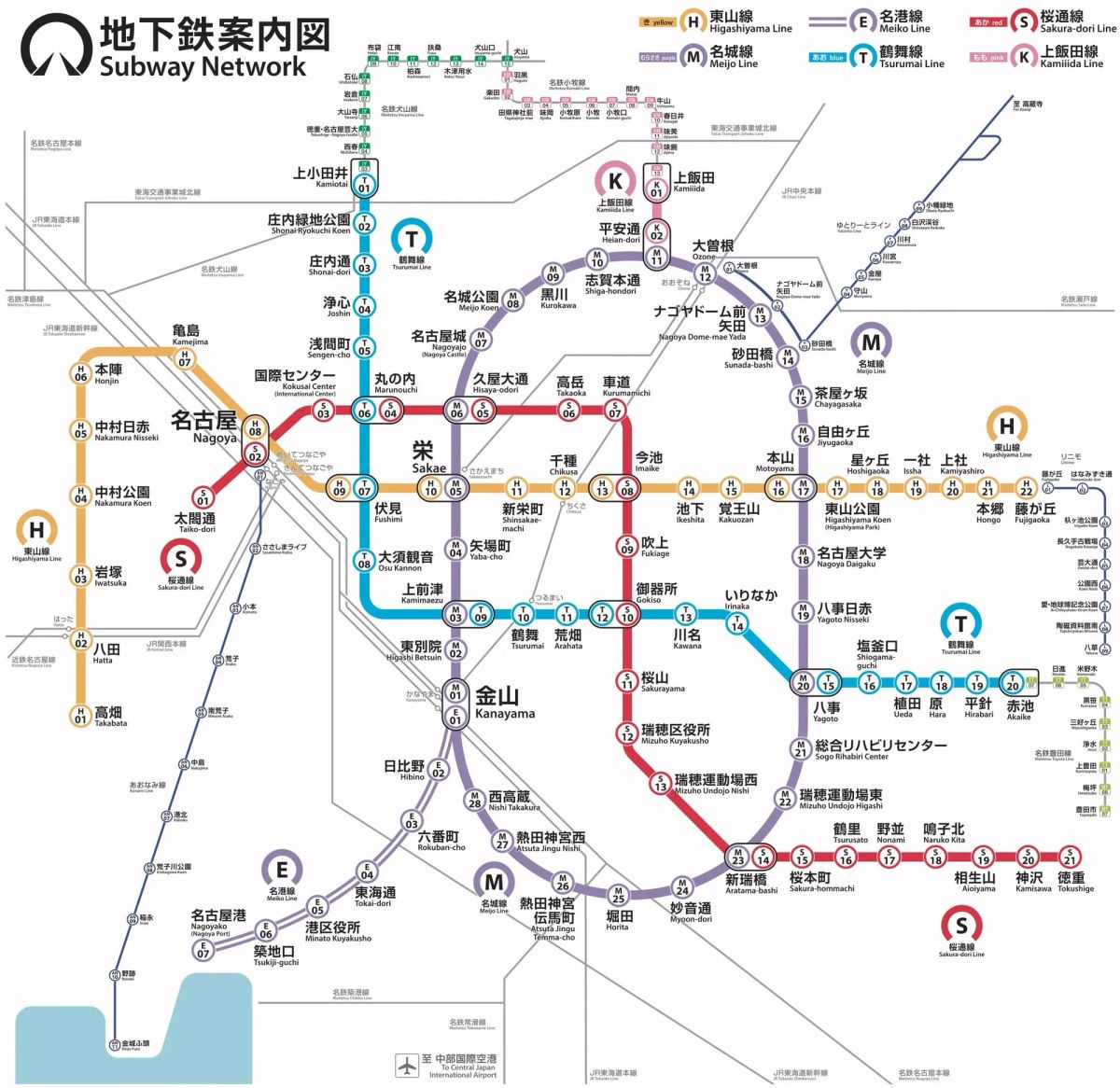
By Car
While parking may be available, public transportation (though crowded) is probably more practical.
Atsuta Shrine Website
(Japanese only)
MAP
Read More About Atsuta Shrine
Nagoya Buzz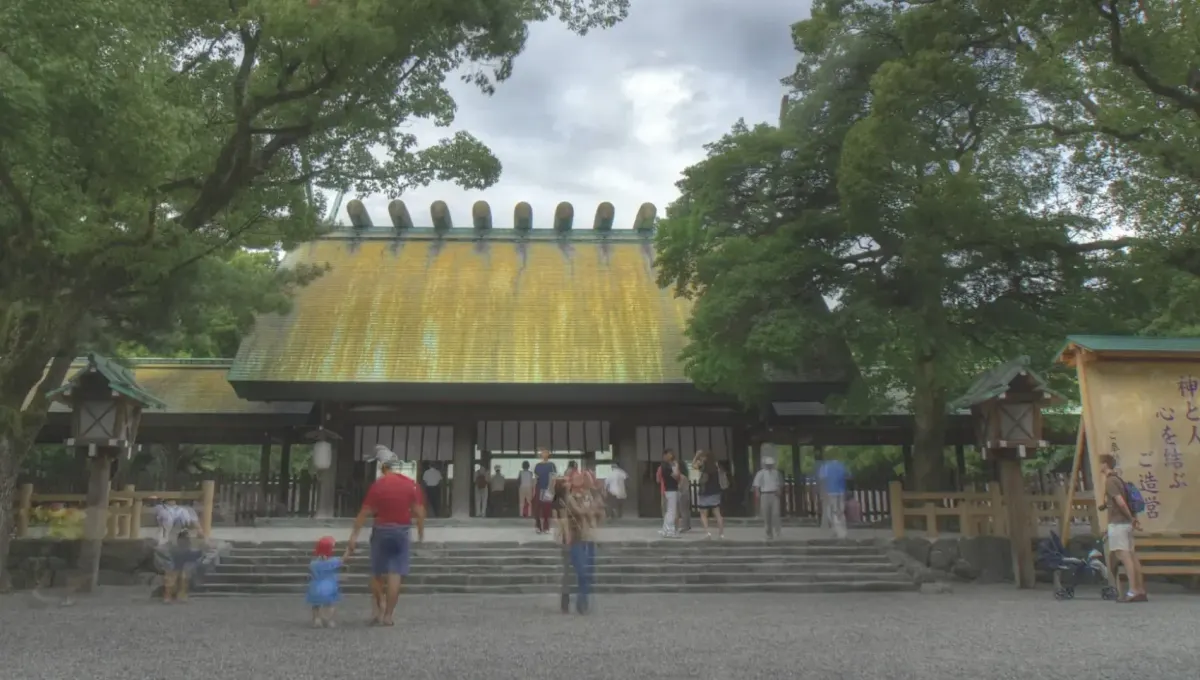
Nagoya Buzz is a weekly guide to events, food, and the things that make this city worth paying attention to. More where this came from on our Events page.
→ See what’s happening in Nagoya this week!







Leave a Comment