
Where the Power Lived
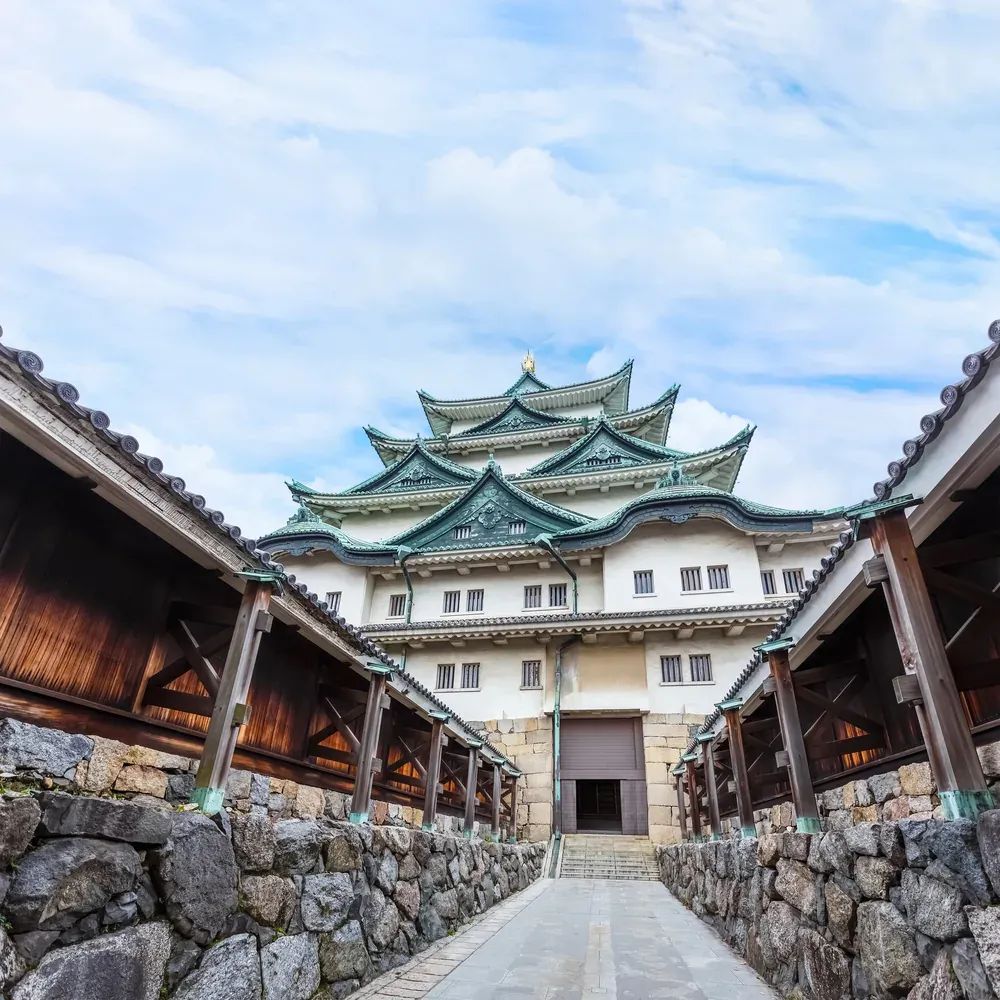
The main keep at Nagoya Castle is closed. Craftsmen are working toward a full timber reconstruction using traditional materials and methods — a project so painstaking that it will take years to complete. The concrete postwar tower still dominates the skyline, but most visitors assume that without entering it, there isn't much to see.
They're wrong. The Honmaru Palace was never the keep's supporting act. It was where the domain was actually run — where audiences were granted, rank was enforced, and the shogun himself slept when he came to town. The keep announced that Nagoya was powerful. The palace is where that power was exercised.
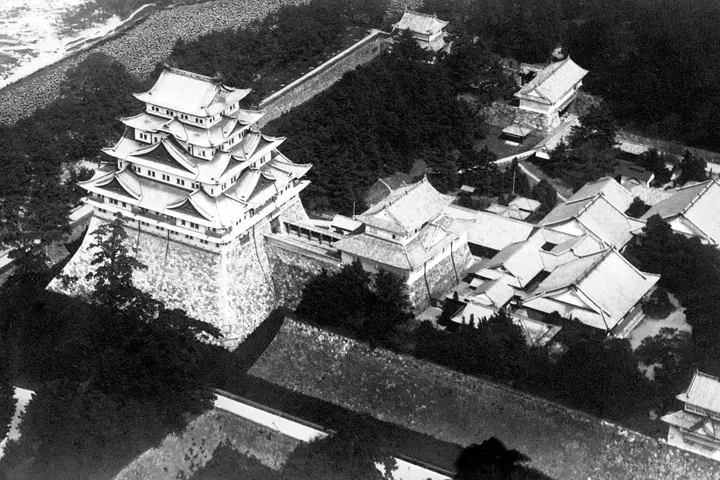
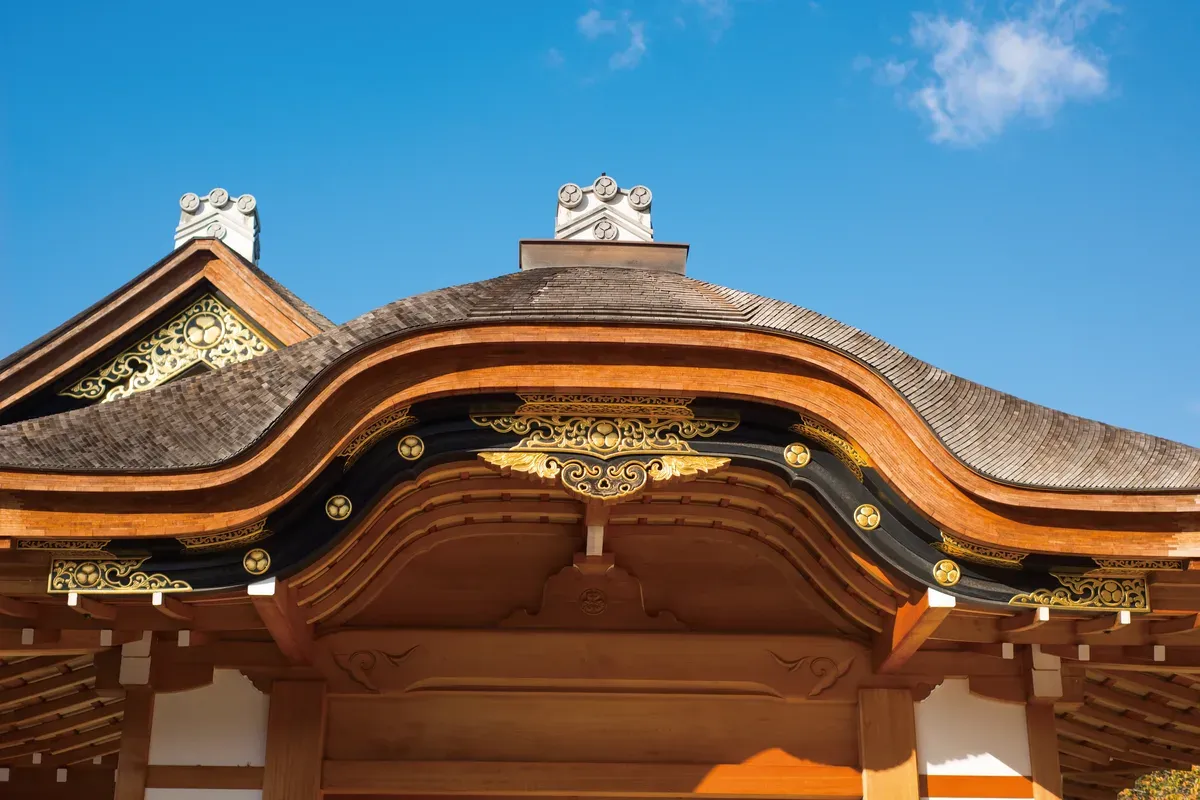
The palace sits slightly east of the main keep, lower to the ground and longer in footprint. Construction began in 1612 and was completed in 1615. It was expanded in 1634 when the third Tokugawa shogun needed somewhere appropriate to stay on his way to Kyoto — it was residence, audience hall, and administrative hub all in one. When the shogun visited, it became something more: the most deliberate staging of Edo authority the Owari domain could produce.
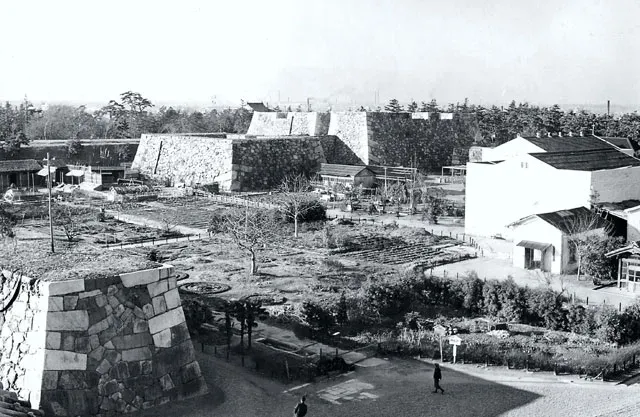
It burned on May 14, 1945.
In the early hours of that morning, roughly 470 B-29s came over northern Nagoya carrying incendiary loads. Nagoya was a manufacturing city — aircraft, munitions, engines — and by spring 1945 the raids had expanded from industrial targets to broad firebombing of urban areas. The castle caught. Witnesses described the copper roofing burning with purple flames. People watching from the streets pressed their palms together. One survivor recalled that when he saw the castle on fire, he believed Japan had already lost.
What burned was the wood. The stone foundations survived. And a remarkable amount of the palace's documentation survived too, because someone had already been paying attention.
What got out
Nagoya City had been surveying the Honmaru Palace before the war — measured drawings, architectural records accumulated over decades. From 1940, photographers systematically documented the interiors on glass-plate negatives, more than 700 of them. More importantly, many of the fusuma paintings — the large-scale works on sliding screens that formed the visual program of every major room — had already been removed and stored elsewhere before the raid. They did not burn.
More than 1,000 of those paintings are now designated Important Cultural Properties.
The building was lost. The evidence was not.
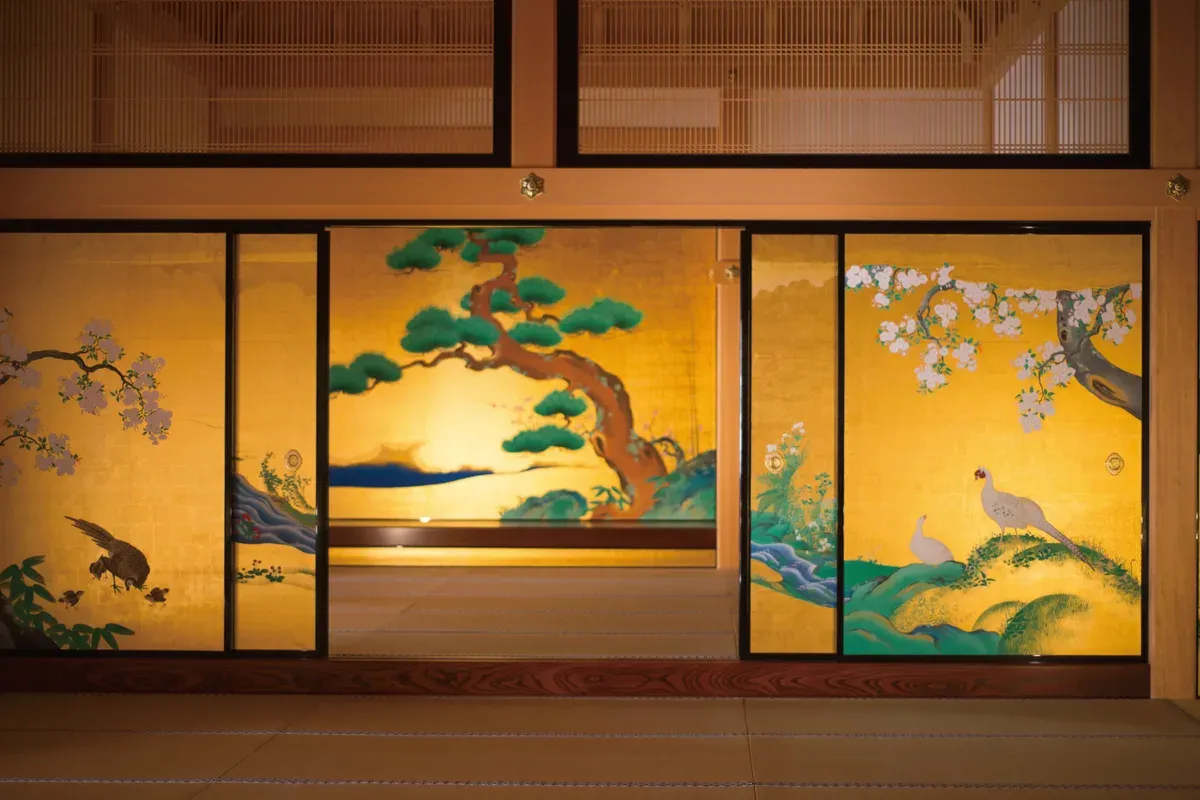
That distinction made the reconstruction possible in a way most historical restorations simply are not. The Honmaru Palace was not rebuilt from historical atmosphere and informed guesswork. It was rebuilt from drawings, photographs, surviving originals, and material analysis of pigments and techniques.
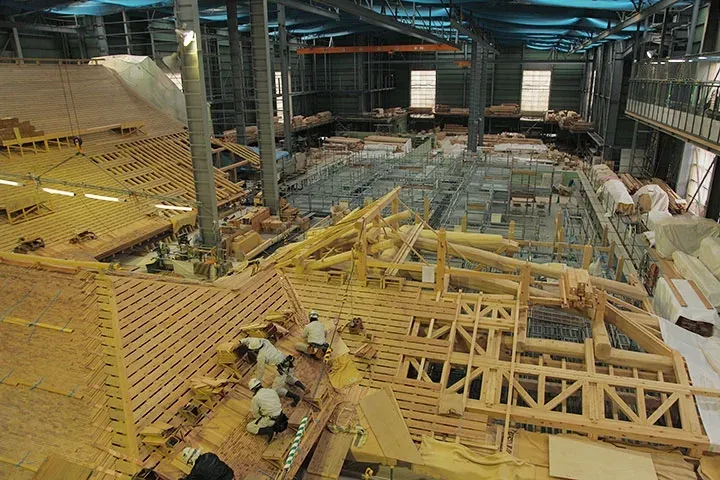
The painting reproduction project began in 1992. Building work followed in 2009 and was completed in phases: the entrance rooms and Omote Shoin in 2013, the Taimenjo and lower private chambers in 2016, the Jorakuden in 2018. Kiso hinoki cypress wood throughout. Traditional plaster walls, traditional joinery, fittings matched to what the glass plates recorded.
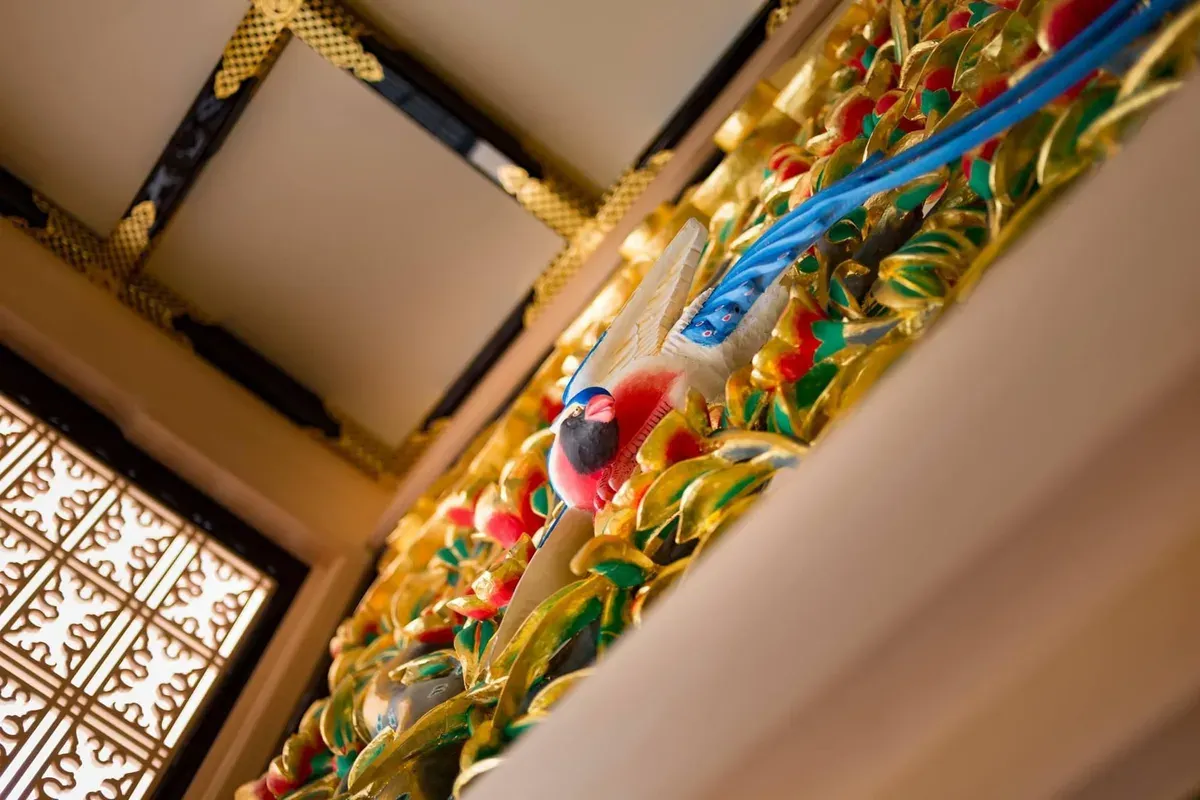
What the building said before anyone spoke
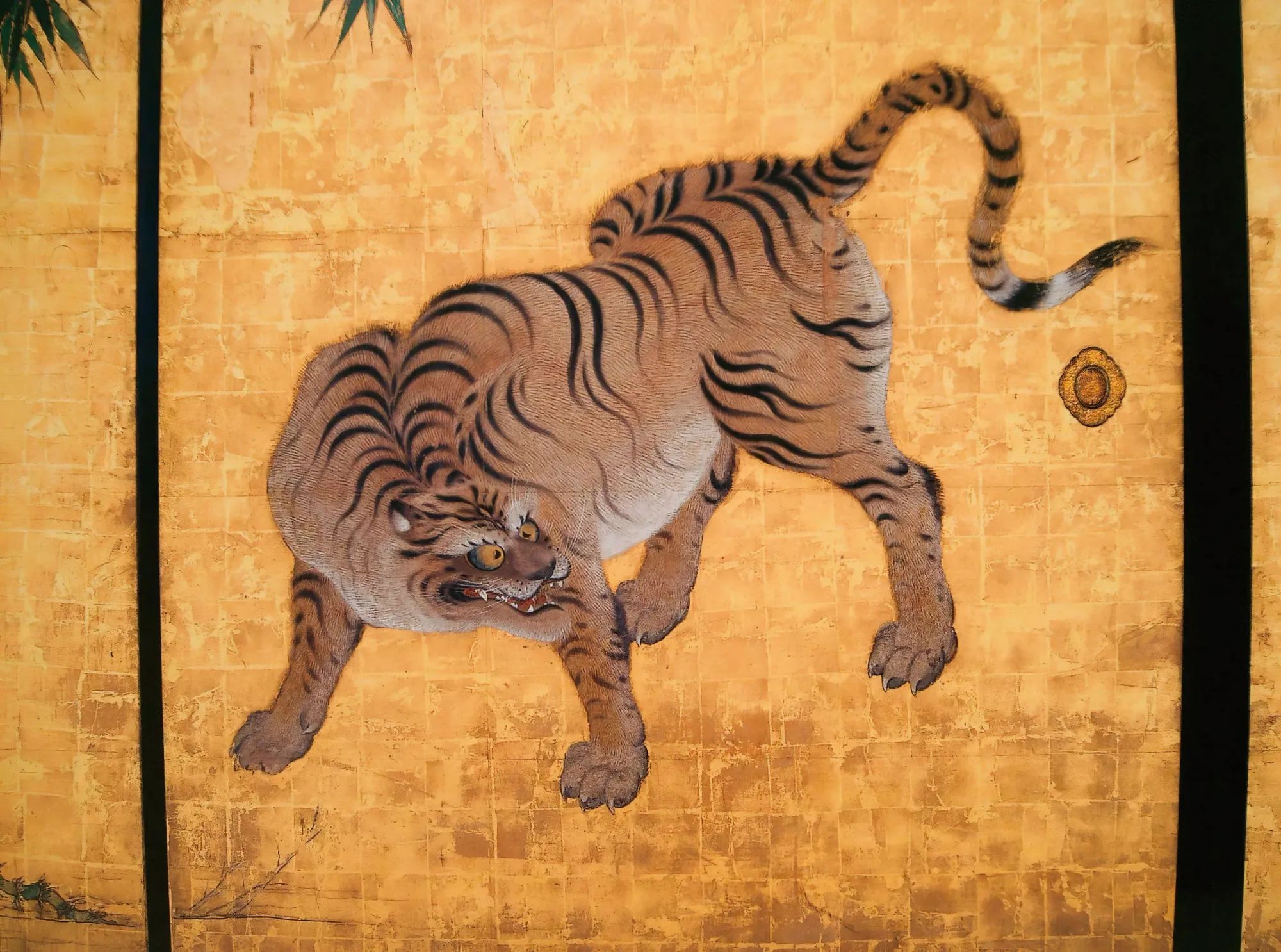
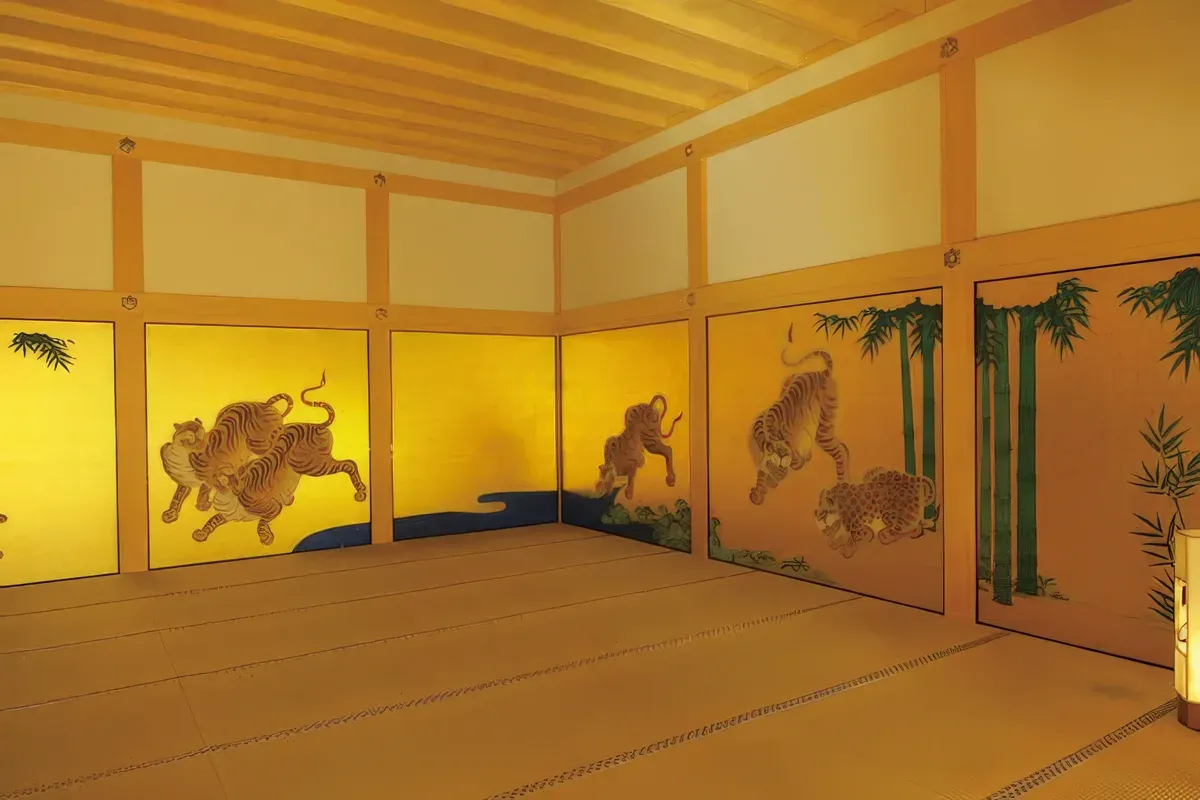
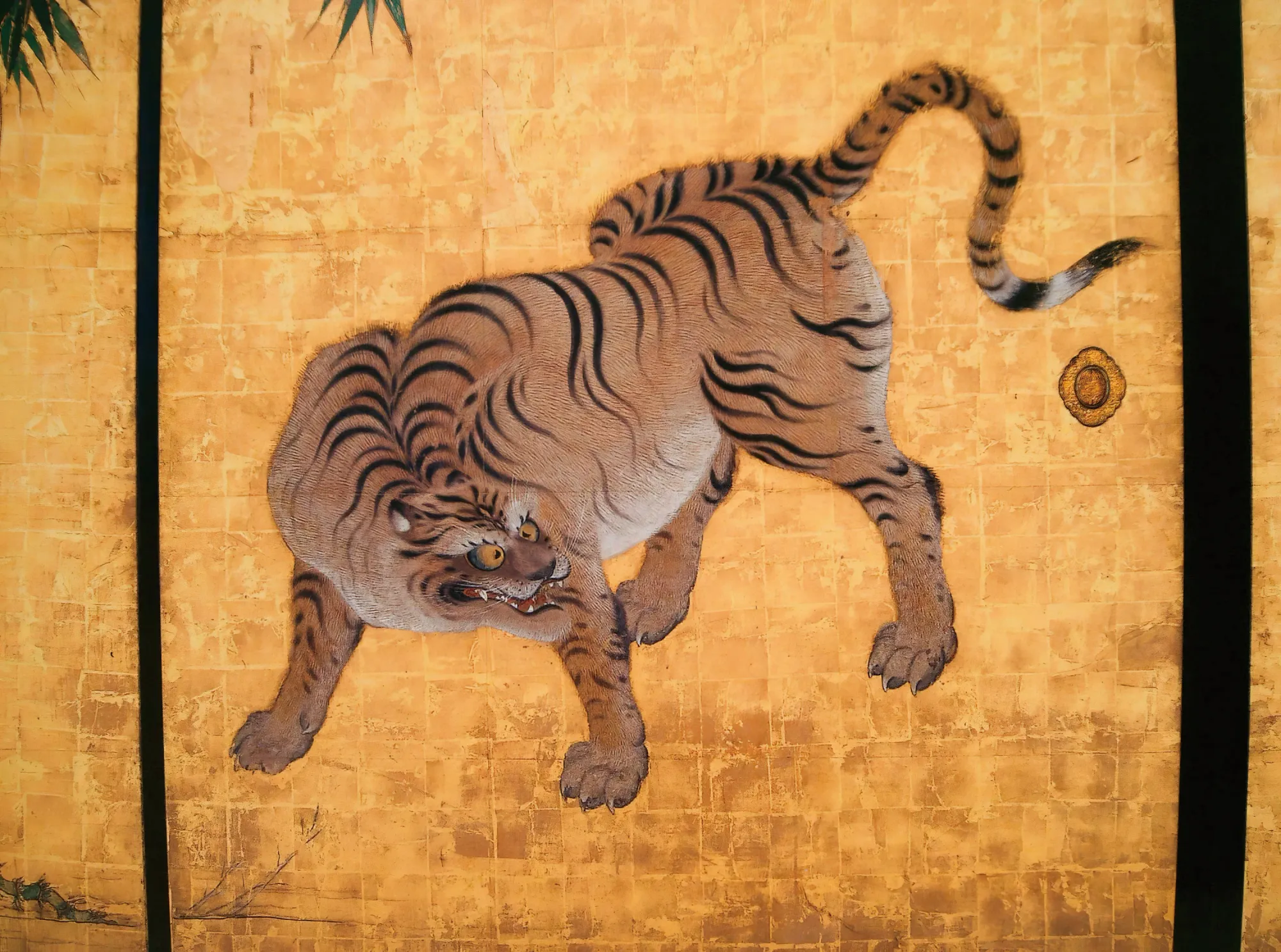
Walk through the genkan entrance and the first thing you notice is tigers. Large ones, painted across the sliding doors of the entrance rooms, alongside leopards — animals the Kanō-school artists who decorated the palace would have known only through imported skins and Chinese paintings. These were not decorative choices. They announced status. Visitors who knew how to read a room would have understood the nature of their welcome before a word was exchanged.
That legibility runs all the way through the building. Move toward the lord's private quarters and the ceilings become more elaborate, the metalwork on sliding-door pulls more refined, the lacquer on coffered panels denser. None of it is subtle and none of it was meant to be. A samurai official or domain representative would have known their rank the moment they were shown which room to wait in.
The room built for a guest
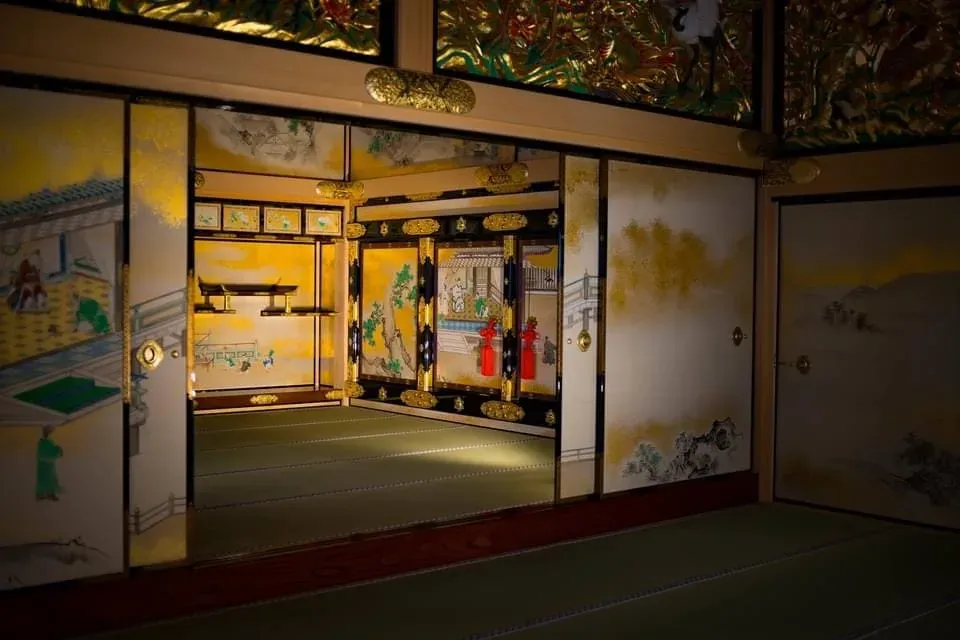
The Jorakuden is the furthest section of the palace and the most extravagant. It was added in 1634 specifically for Tokugawa Iemitsu's procession to Kyoto, which tells you something about how domain lords managed relationships with the central government.
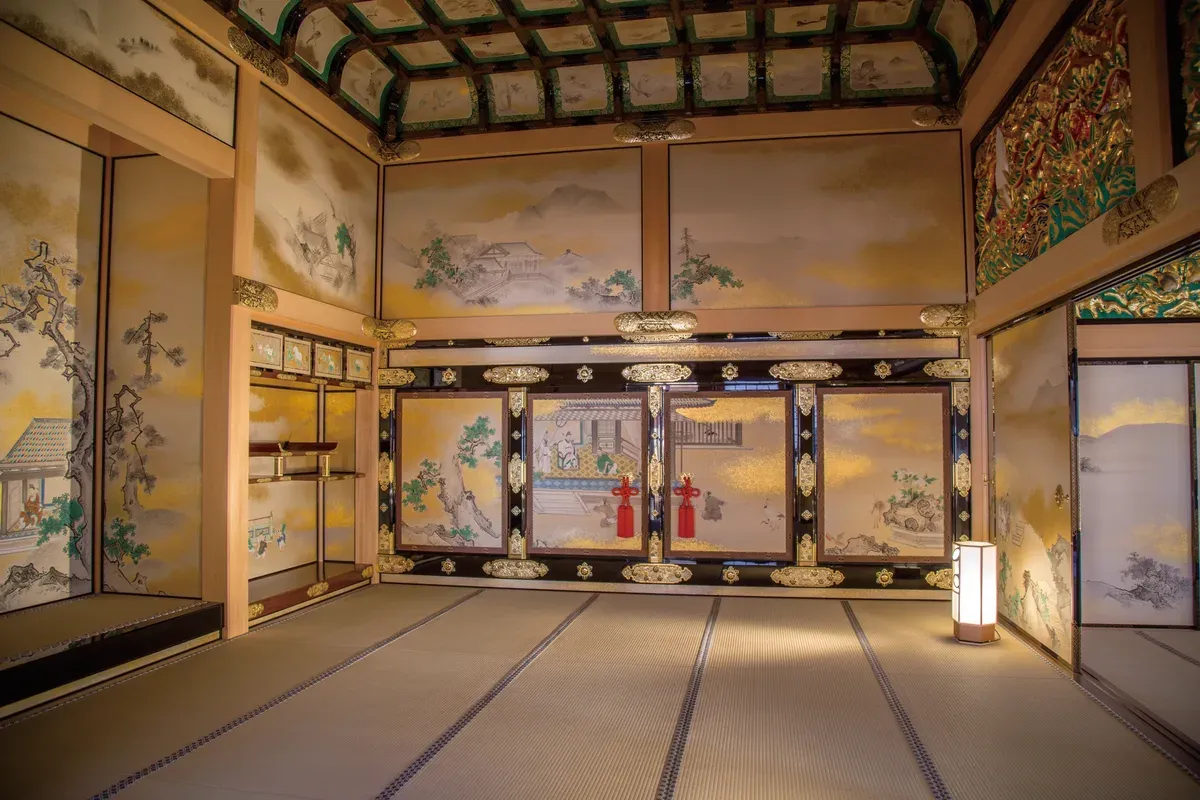
The most lavish room in the complex was built for a visitor. The ceiling is coffered, lacquered, finished in gold. After the measured restraint of the outer audience rooms, the Jorakuden is arresting. You understand immediately that whoever stayed here was not simply a guest.
The wall they left blank
Somewhere near the end of the circuit, there is a wall with no painting on it. Not because the restoration is unfinished. Because when the reconstruction team reached that wall, there was no surviving photograph, no reliable record, nothing trustworthy enough to copy from. The original painting had been removed long before the war and too little trace remained.
Rather than invent something and make it look right, they left it bare.
That decision is the most revealing thing in the building.
It tells you exactly what kind of project this was.
The Details
The Honmaru Palace
Hours: 09:00–16:30
(last admission 16:00)
Closed: Dec. 29–Jan.1
Entry:
¥500 adults
¥100 Nagoya City senior citizens
Free for junior high students and younger
Address:
1-1 Honmaru
Naka-ku, Nagoya
Website
Click HERE for an audio guide in English
Check out the Virtual Tour here!
Access
By subway: Take the Meijo Line to Nagoyajo Station (M07). From Exit 7, it is about a 5-minute walk to the castle. The East Gate is the more practical entrance from here.
Or take the Tsurumai Line to Sengencho Station (T05). From Exit 1, it is about a 12-minute walk. The Main Gate is the more practical entrance from this side.
Mobility note: Nagoyajo Station is usually the easier approach for visitors with limited mobility, thanks to the shorter walk.
Good to know: Allow about 10 minutes on foot from either gate to reach Honmaru Palace. To enter, be sure to reach the palace entrance before 16:00.
 Nagoya Buzz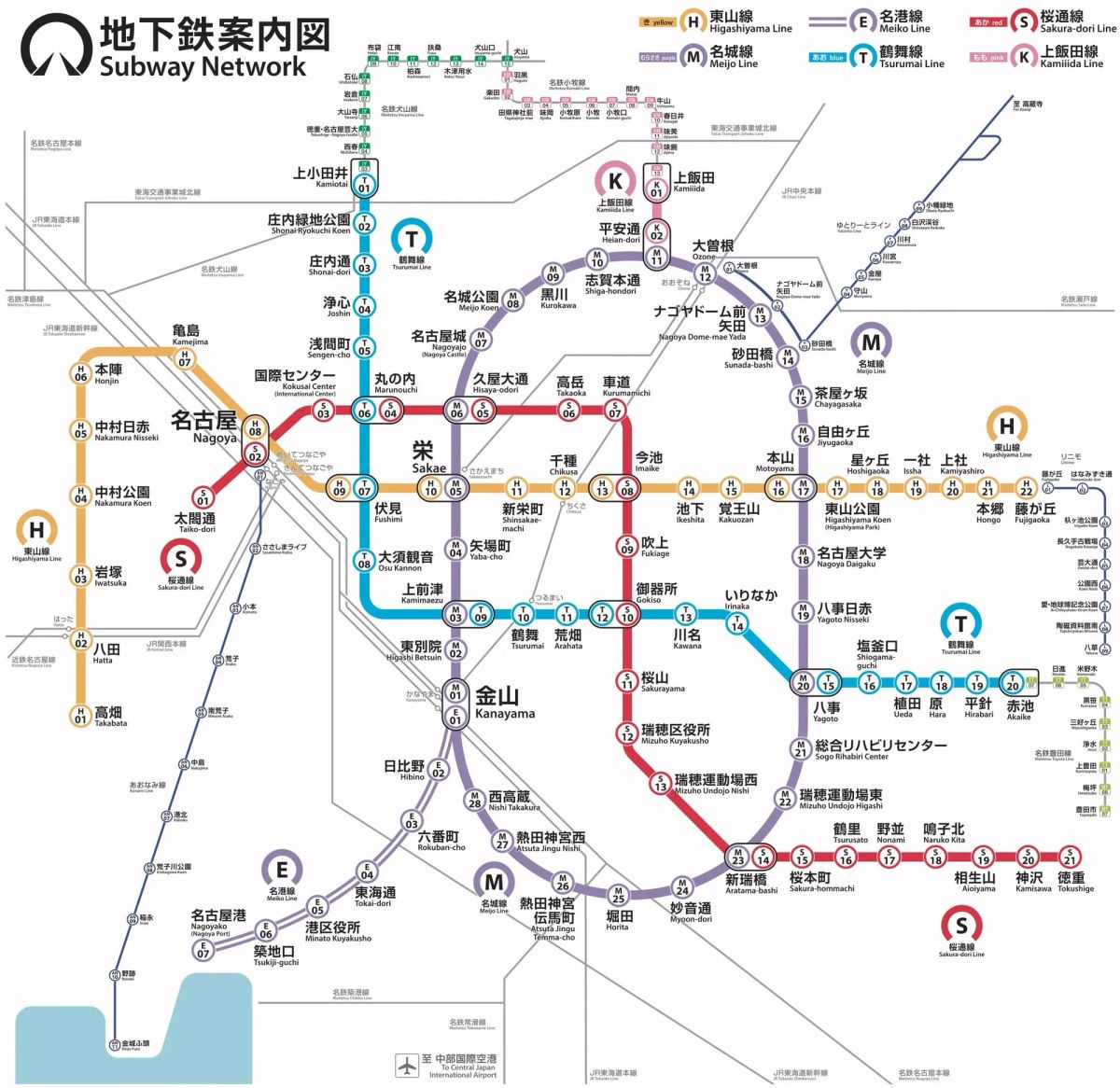
MAP
Read more about Nagoya Castle Here:
Nagoya Buzz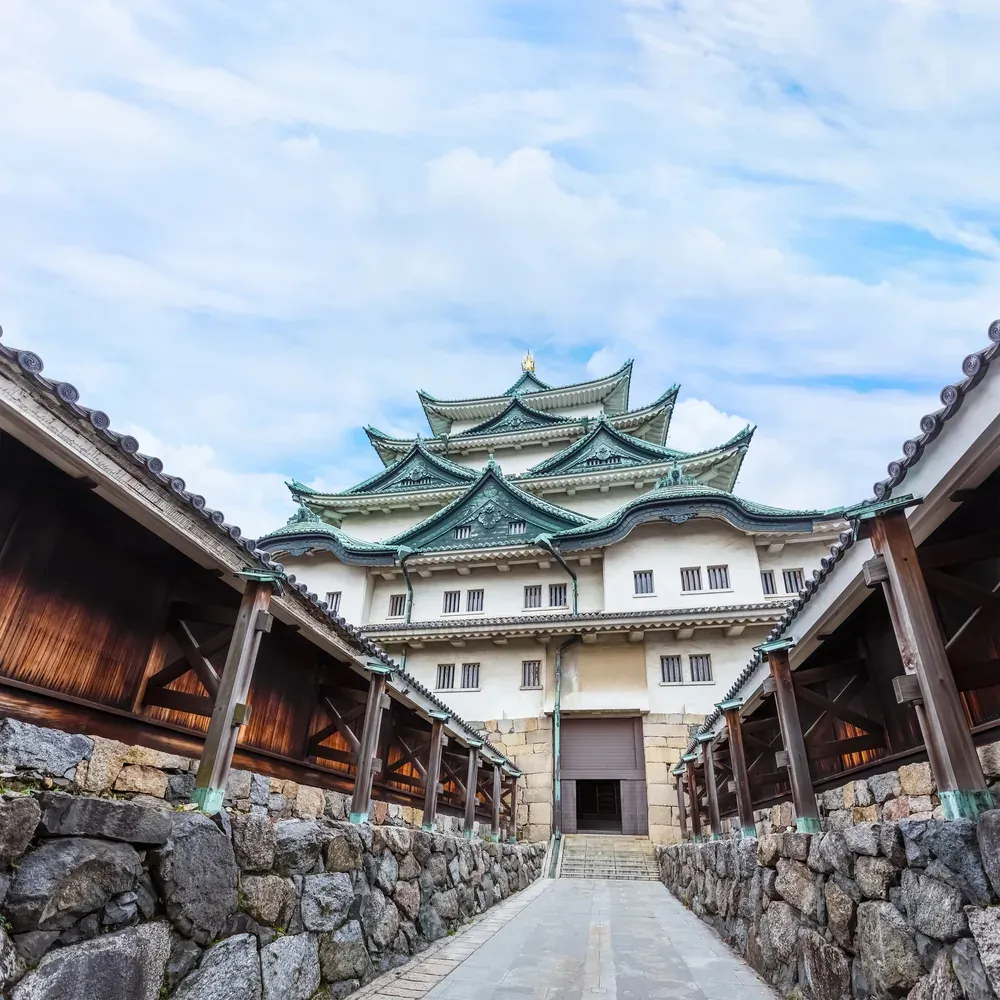





Leave a Comment