
Five times life nearly ended
...and what happened next!
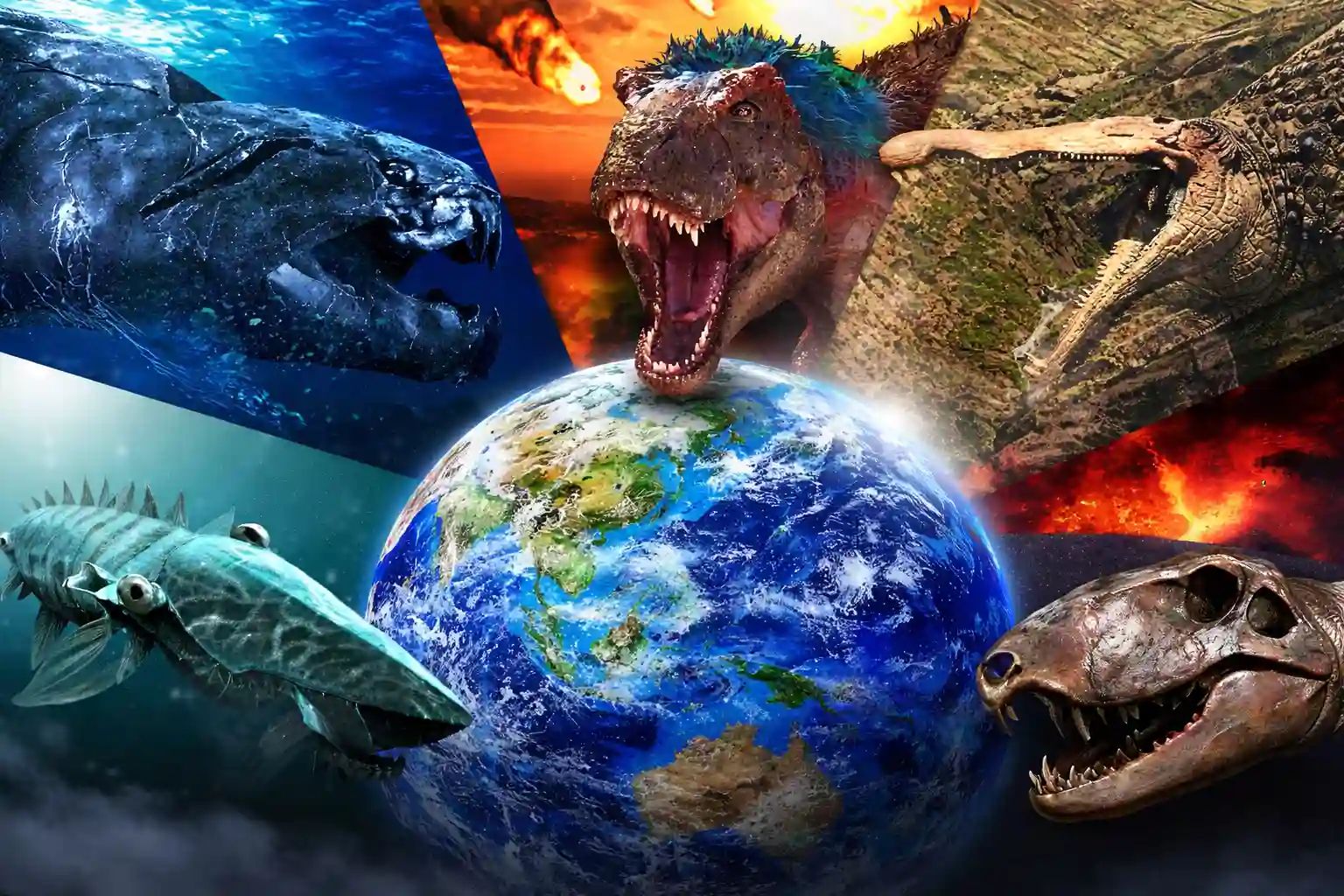
The Nagoya City Science Museum’s special exhibition "The Five Great Extinctions" starts from a simple premise: Earth has had a rough go of it. Five times in the last 500 million years, life on this planet was knocked back so severely that the world emerging afterward barely resembled the one before. This exhibition at The Nagoya City Science Museum calls these the "Big Five." You probably know one of them. The other four are worth your attention.
Mass Extinctions—BIG FIVE runs through June 14 at the museum’s FUJI Event Hall, and it is structured more carefully than the average fossil spectacular. Rather than treating prehistoric life as a parade of impressive creatures, the show is organized around the extinction boundaries themselves — the Ordovician–Silurian, Late Devonian, Permian–Triassic, Triassic–Jurassic, and Cretaceous–Paleogene — and tracks not just what died, but what moved into the space left behind. The official framing, developed under the supervision of ten researchers at the National Museum of Nature and Science, treats mass extinction not simply as catastrophe, but as one of the forces that shaped later evolutionary flourishing.
This exhibition is not only visually engaging, it asks a better question than most "fossil shows" of this type – not just "what was lost in each collapse", but "what new life emerged because of it?"
The large specimen displays support that idea well. Tyrannosaurus and Triceratops appear in the K–Pg section, Dunkleosteus turns up in the Devonian section, and Cryolophosaurus appears in the Triassic–Jurassic section, giving even familiar prehistoric names a more specific context. The Permian–Triassic section, the largest of the five extinction events, includes a model display tied to the volcanic activity associated with that collapse. Near the entrance, a large globe installation called the Mass Extinction Sphere introduces the exhibition’s central theme.
Two exhibits stand out as genuinely unusual. The first is a roughly six-meter full-body fossil of Steller’s sea cow — an animal hunted to extinction in the 18th century — being shown to the public for the first time anywhere in the world. The second is Wattieza, billed as the earliest tree fossil, appearing here in Japan for the first time; the exhibition notes that the display is a replica rather than the original fossil.
One practical note: your ticket also covers the museum’s permanent exhibition halls, which are substantial enough to turn this into a half-day visit.
(Note that the planetarium is separate and not included.)
English-speaking visitors should be fine with the big visual displays and the section-by-section structure, but anyone who relies heavily on detailed panel text should keep expectations modest.
This exhibition is not only visually engaging, it asks a better question than most "fossil shows" of this type – not just "what was lost in each collapse", but "what new life emerged because of it?" That makes the "Big Five" more interesting than a simple parade of extinct giants.

The Details
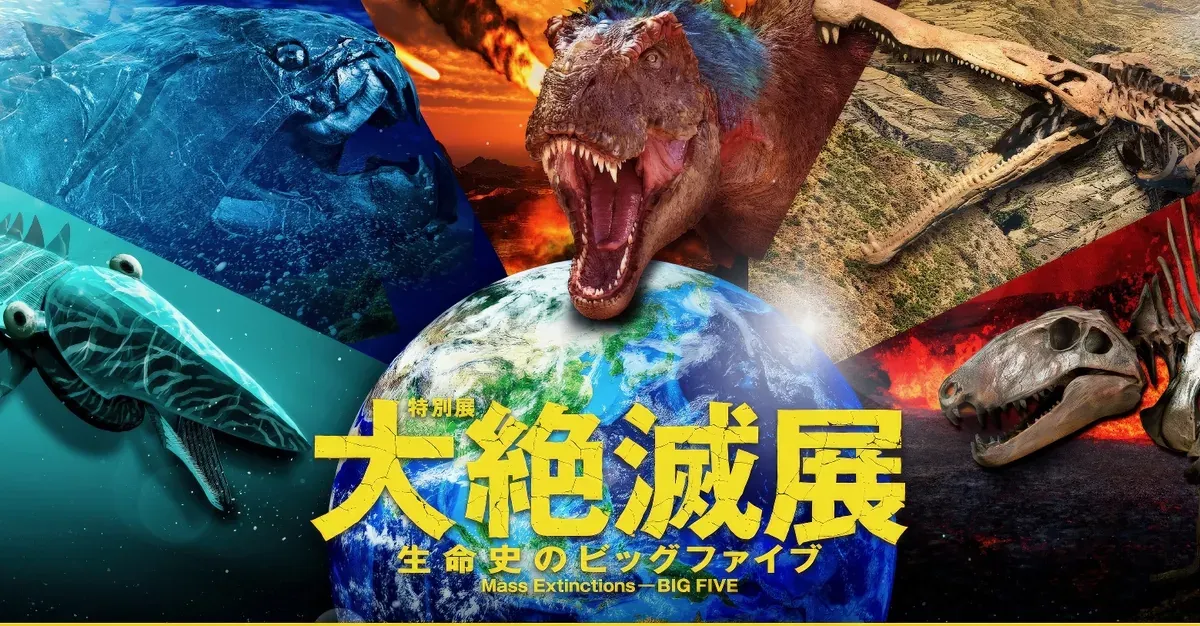
Mass Extinctions—BIG FIVE
特別展「大絶滅展―生命史のビッグファイブ」
Venue:
FUJI Nagoya City Science Museum
B2 FUJI Event Hall
Dates:
Until June 14, 2026
Hours:
9:30 – 17:00
(last entry 16:30)
Closed:
Mondays, and the third Friday of each month
Also closed April 17, May 7, and May 15
Open on:
March 20 and May 4
Admission:
Adults ¥2,000
University students ¥1,000
High school, Junior high and Elementary school students ¥500
Preschool children enter for free
Address:
Shirakawa Park
2-17-1 Sakae
Naka-ku, Nagoya
Website (English)
Access
Access
By subway: Take the Higashiyama Line or Tsurumai Line to Fushimi Station (H08 / T07). From Exit 4 or Exit 5, walk south for about 5 minutes into Shirakawa Park. The museum is inside the park, marked by its large silver planetarium sphere.
 Nagoya Buzz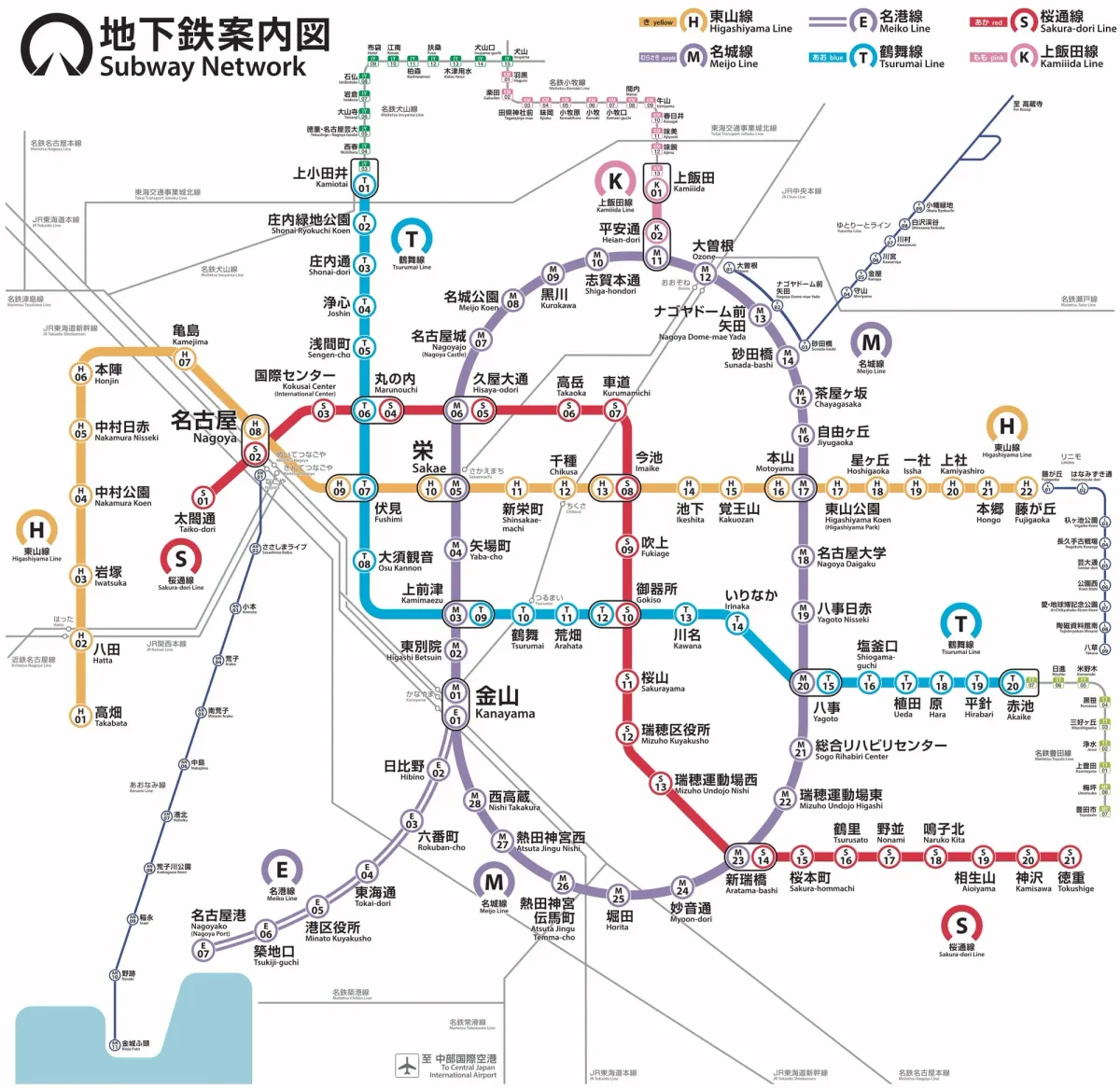
MAP
Read More About Fushimi!
 Nagoya Buzz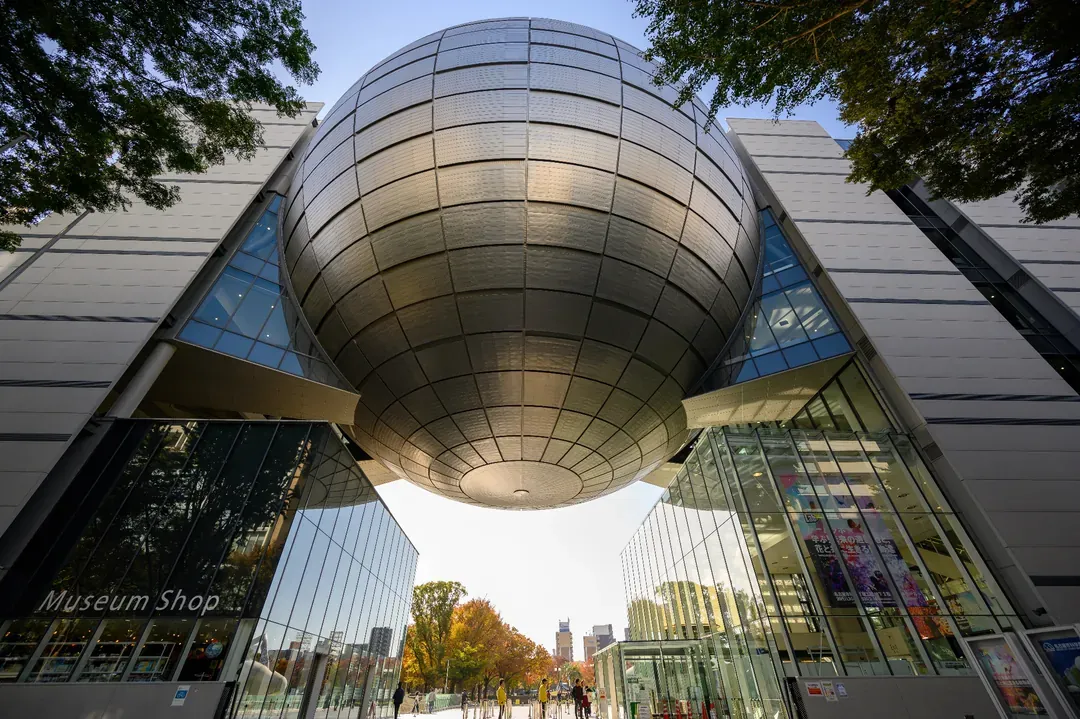
 Doug Breté










Leave a Comment