

In Shakespeare's Much Ado About Nothing, the action unfolds in Messina — a small Italian town where everyone knows everyone, soldiers arrive looking for rest, and small events become enormous occasions.
When Aya Kawakami, founder and director of Nagoya-based theatre company Theatre Iridescence, read the play, the setting felt immediately familiar.
“Messina is a small town where everybody knows each other,” she says. “Nagoya in the 1990s was very much the same.”
Back then, small moments could become major events. A birthday. A film festival. Halloween. Someone visiting from out of town.
“Suddenly it became a huge community thing.”
For Kawakami's June production, Messina becomes a late-1990s Nagoya expat bar:
“I just took that tiny town and put it into an even tinier little space in Japan where everybody felt free.”
The world she's drawing from was specific and concentrated. Before smartphones — and before the social shifts of the pandemic, Nagoya's international community tended to gather in just a handful of bars.
“You would meet the same people almost every night,” she recalls. “It was a small world.”
Kawakami saw a clear parallel with Shakespeare's returning soldiers. In the play’s original setting, they arrive in Messina after a military campaign, looking for rest.
“Those bars were where you went to relax after the battle of whatever it is you do in your day job,” she says.
“The language barrier, feeling a bit like a fish out of water, the things you have to navigate. You'd go to those places and just have fun. And so, it seemed natural to translate the original small town of Messina into an expat dive bar.”
The social dynamics of Much Ado also felt immediately recognizable.
“Because the play is set in a small town it’s got the typical issues of gossiping, cliques, and people not liking each other and having to navigate that."
That's a big part of the play. I've seen that in the community. I thought: this will fit.”
Of all the characters in the play, Beatrice made the setting feel especially necessary.
Kawakami didn't just understand her.
She recognized her.
“Beatrice reminds me of myself and many foreign women I've known,” she says.
“She's been hurt by love. She has a bit of a shell, a little hardness, and she uses her wit and charm to cover it up. But there's real pain there.”
At one point in the play, Beatrice bitterly asks why she wasn't born a man. Not because she wants to be one, Kawakami explains, but because her ambition and capability keep running into a wall built around her gender.
“I know women who feel that way,” she says. “Especially in Japan. Especially then.”
The 1990s setting sharpens that tension.
“Women who were loud and independent could still be seen as off-putting. For Beatrice to refuse to bend to what society expected of her — that took something.
I wanted to choose a time when that was still a slightly dangerous and brave thing to do, but still in a time period that kept the story close to the audience.”
For Kawakami, setting Shakespeare in a specific local world isn't just an aesthetic choice. It's part of a director's responsibility.

“As modern directors, our job — whatever time period we set it in — is to create a production where people can relate to and see themselves in the story,” she says. “Where they say, ‘I know that person.’”
Kawakami has been part of Nagoya's creative community long enough to see how the city itself has evolved.
“Nagoya is an artist's town,” she says. “It's full of art, music, theater. The live house scene here is incredible.”
She also points to the strong Japanese theater scene that many members of the international community rarely encounter.
“Starting Theatre Iridescence helped me meet more Japanese actors and directors and go see more Japanese productions,” she says. “It opened up my world to how creative this place is.”
She remembers reading a newspaper article surveying international community theater across Japan.
“There was almost no mention of any other prefecture, really, other than Tokyo” she says. “It's not flashy, but Nagoya's got real character and depth.”
For Kawakami, the production extends beyond the stage.
During scene transitions, she plans to project photographs — real images from Nagoya's international community taken during the period the play depicts.
“I want to connect the idea that this play is speaking about a specific, real community of people,” she says.
The photographs will also help the actors inhabit the world of the play.
“I want them to see what it was like — to feel what it was like. I think it will really help the performances.”
Kawakami has been calling on people who were part of that community to share images: photos of friends, gatherings, and even people the community has since lost. Together, they form a record of a world that no longer exists in quite the same way.
"A love letter," she says, "to the community I have known for most of my life — its beauty, its scars, its faults… everything."
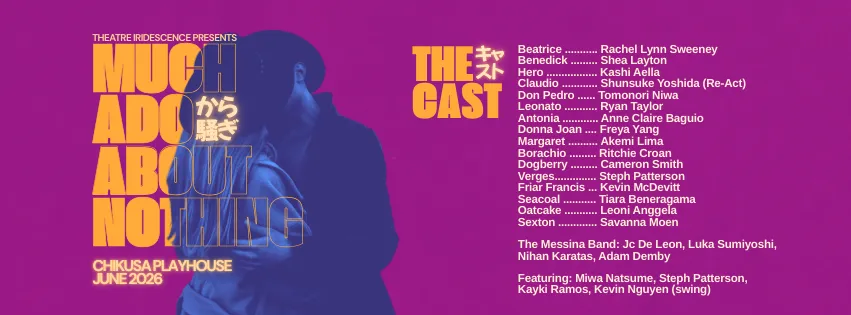
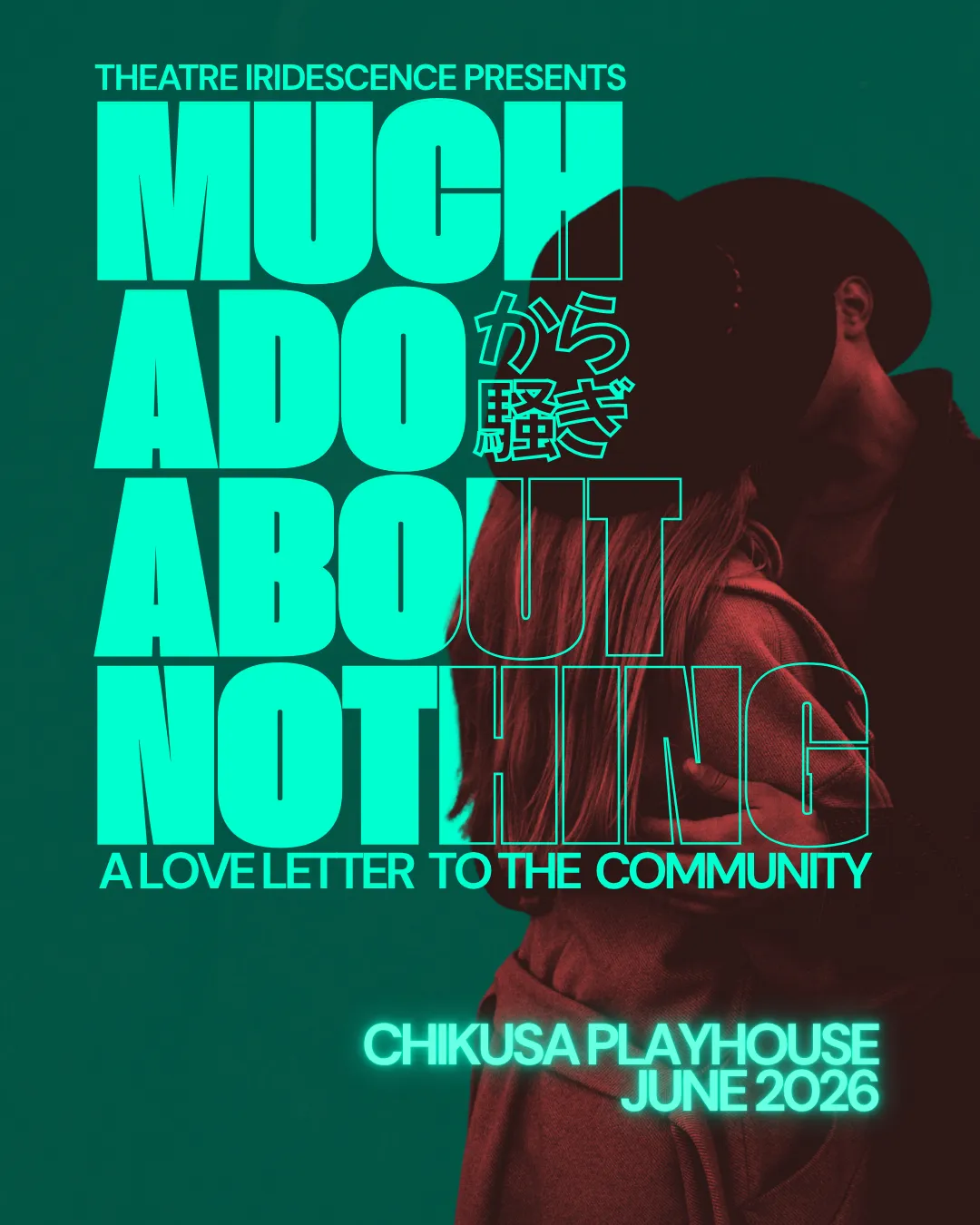
The Details
Much Ado About Nothing
A Theatre Iridescence Production
Venue:
Chikusa Playhouse
Nagoya City Chikusa Cultural Mini Theater
Dates:
Friday, June 19–Sunday, June 21, 2026
Showtimes:
Friday, June 19 — 18:30
Saturday, June 20 — 11:00 / 17:00
Sunday, June 21 — 11:00 / 16:00
Price:
General admission — ¥3,000
Students — ¥2,500
Student ID required at entry
Address:
3-6-10 Chikusa,
Chikusa-ku, Nagoya
Tickets:
https://peatix.com/event/4888982
Access
By Subway:
Take the Sakuradori Line to Fukiage Station.
Use Exit 7.
The venue is about 2 minutes on foot.
Alternative Route:
Take the Higashiyama Line or Sakuradori Line to Imaike Station.
Use Exit 9.
The venue is about 11 minutes on foot.
 Nagoya Buzz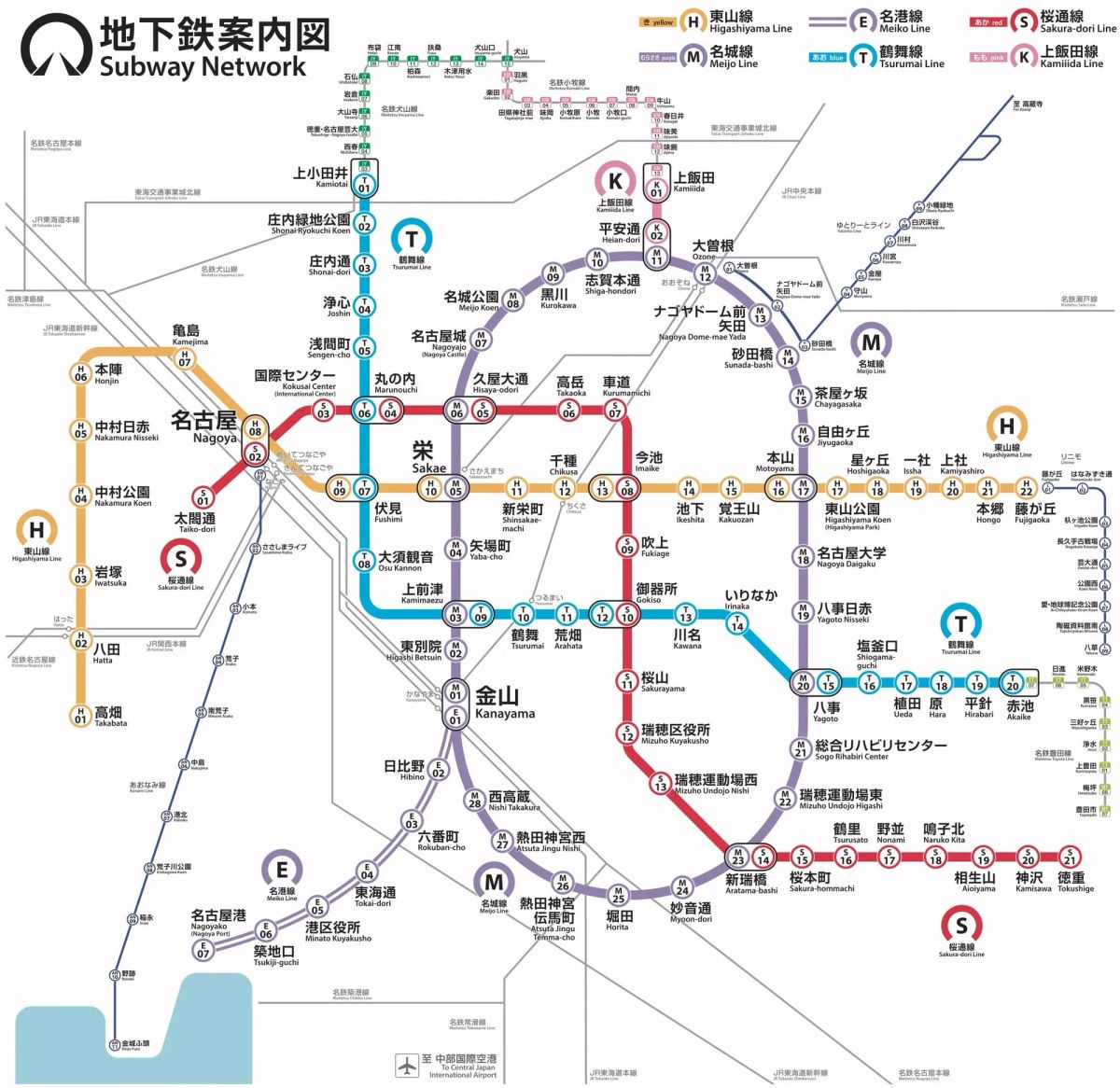
MAP
Related Articles
Nagoya Buzz Doug Breté






Leave a Comment