
How Nagoya Helped Invent Japan’s White Day Tradition
Every February 14th, Japanese women give out chocolate. One month later, on March 14th, the men are expected to give something back. And the cultural assumption is that it should be worth three times as much. This marketing gambit — turning Valentine's Day into a tool for opening men's wallets — is a masterclass in giri. And no surprises here: it began in Nagoya.
It starts in February, when you notice how much chocolate appears in stores. Valentine's Day the Japan-way took shape in the postwar years through campaigns devised by confectionery companies. But as with most imports, the Japanese gave it a local twist to improve sales — leveraging a cultural tendency towards obligation. So instead of women receiving chocolate, they were obliged to give it: not just to romantic partners, but to virtually every man in their work, social, and family lives. Sales began to beat like racing hearts, albeit chocolate ones.
But the next step — the invention of White Day, the return-gift "holiday" — was pure genius. Placed exactly one month after Valentine's, it created a slow, building expectation for the men who received to give back.
But not just in kind.
No.
Something worth at least three times as much.
A Marshmallow Started It
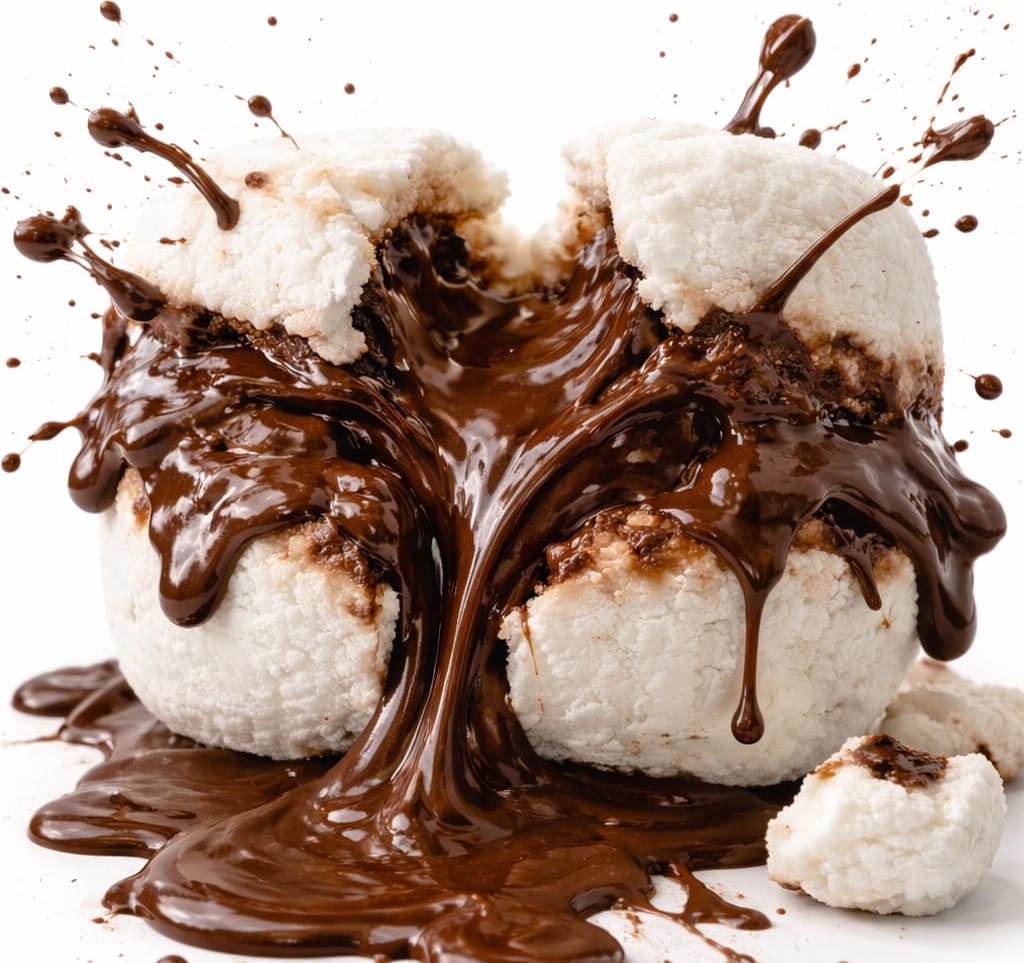
By the late 1970s, a Fukuoka confectionery company called Ishimura Manseido introduced something called "Marshmallow Day." The idea was simple — men who received Valentine's chocolate should return the favor the next month with marshmallows filled with chocolate.
The company's slogan roughly translated to something like "I will return your chocolate wrapped in my gentleness" — which could either be a serial killer inviting you into their van, or one of the creepiest marketing lines ever attached to a holiday.
The concept caught on.
The marshmallows? Not so much.
Thank You, Nagoya
According to confectionery lore, a key planning meeting for what would become White Day took place in Nagoya in the late 1970s. Representatives from the national candy industry cooperative were looking to turn the small Marshmallow Day campaign into something bigger — a nationwide return-gift holiday built on the reliable foundations of obligation.
The result was White Day, officially promoted from 1981 under the slogan Ai ni Kotaeru White Day — "Answer Love on White Day."
White chocolate replaced marshmallows, partly because it photographed well in department store displays, and partly because the color white was associated with sincerity and purity. The name stuck. The date stuck. The expectation that men should return the favor — generously — stuck as well.
Ka-chiiing.
The Three-Times Rule
As it grew into an institution, White Day developed an informal guideline known as sanbai gaeshi — literally "three-times return."
Whatever a man received on Valentine's Day should be returned on White Day at roughly three times the value. It's not a rule in any official sense — think of it as a cultural benchmark, widely referenced, occasionally followed, and frequently reinterpreted by people who feel that the spirit of the thing is more of a suggestion.
Still, the phrase exists, and people know it. Many consider it obligatory.
Giri Choco vs Honmei Choco
To understand White Day, you have to understand the structure of Valentine's Day in Japan.
Honmei choco — "true-feeling chocolate" — is given to romantic partners and usually carries real emotional weight. Giri choco, or "obligation chocolate," is the chocolate distributed to colleagues, bosses, and male friends — a social gesture rather than a romantic one. That box of matcha-flavored Pocky handed over with an air of mild reluctance by an office acquaintance? Giri choco.
Which leads to the question many newcomers ask in early March: do you really have to give something back?
Technically, no. Practically, it depends on your tolerance for awkward silences in the break room.
Creative Interpretations
Most people handle White Day sensibly: cookies, chocolate, maybe dinner. But every year there are a few men — often foreign residents who have recently discovered sanbai gaeshi to their considerable surprise — that decide to approach the situation less as a social obligation and more as a logistical and fiduciary conundrum.
The Komeda Compromise involves no gift at all. Instead, it is distilled to: "Let me take you out for coffee." Two cups and a few bites of the chain's iconic Shiro-Noir later, the shared cultural experience — and presumably the obligation — is evaluated as complete. Task accomplished with due fiscal responsibility.
The Don Quijote Emergency Extrication is usually deployed late on the evening of March 13th. After a thorough scan of the seasonal sweets aisle, a candidate that looks respectable in the basket is procured. ¥798 later, the deed is done. The discount sticker, sadly still attached, is discovered later — a memento of the time and thought that went into the transaction.
Then there are the men who are fully aware of the cultural expectations yet respond with calculation rather than sentiment. Having received a ¥500 chocolate in February, they return with three separate ¥500 gifts — and take the time to explain, clearly and with some satisfaction, that the mathematics satisfy the obligation.
This is called losing by winning. It happens more than you'd think.
Negotiating Obligation and Courtesy
White Day is a useful window into how reciprocity works in Japan — the quiet negotiation between obligation, courtesy, and genuine feeling that runs through a lot of everyday life here.
When you notice the White Day displays going up across Nagoya's department stores, remember: somewhere in this city, someone looked at Japan's deeply held social contract around reciprocity — the idea that a gift received creates an obligation that can only be resolved by giving back more — and thought, we can use that in a nefarious way.
Ka-chiiing.





Leave a Comment