
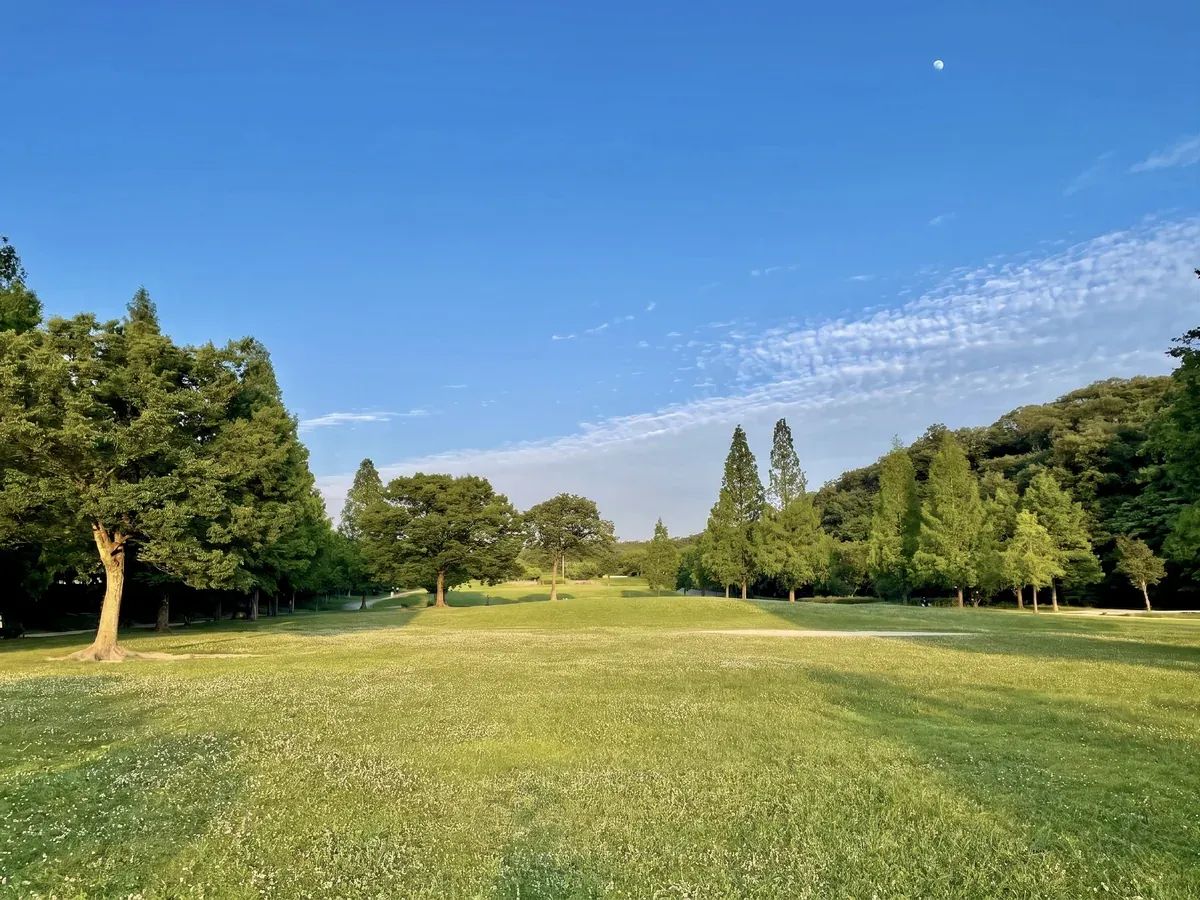
A Hidden Forest on the Edge of the City
Other parks in Nagoya are better known and easier to get to. Heiwa Park sits in the eastern hills of Chikusa-ku and just lets people discover it.
Those who do often find it through a friend, an invite to a Sunday picnic, or a search for somewhere the kids can run in the grass without hitting a wall or worrying about traffic.
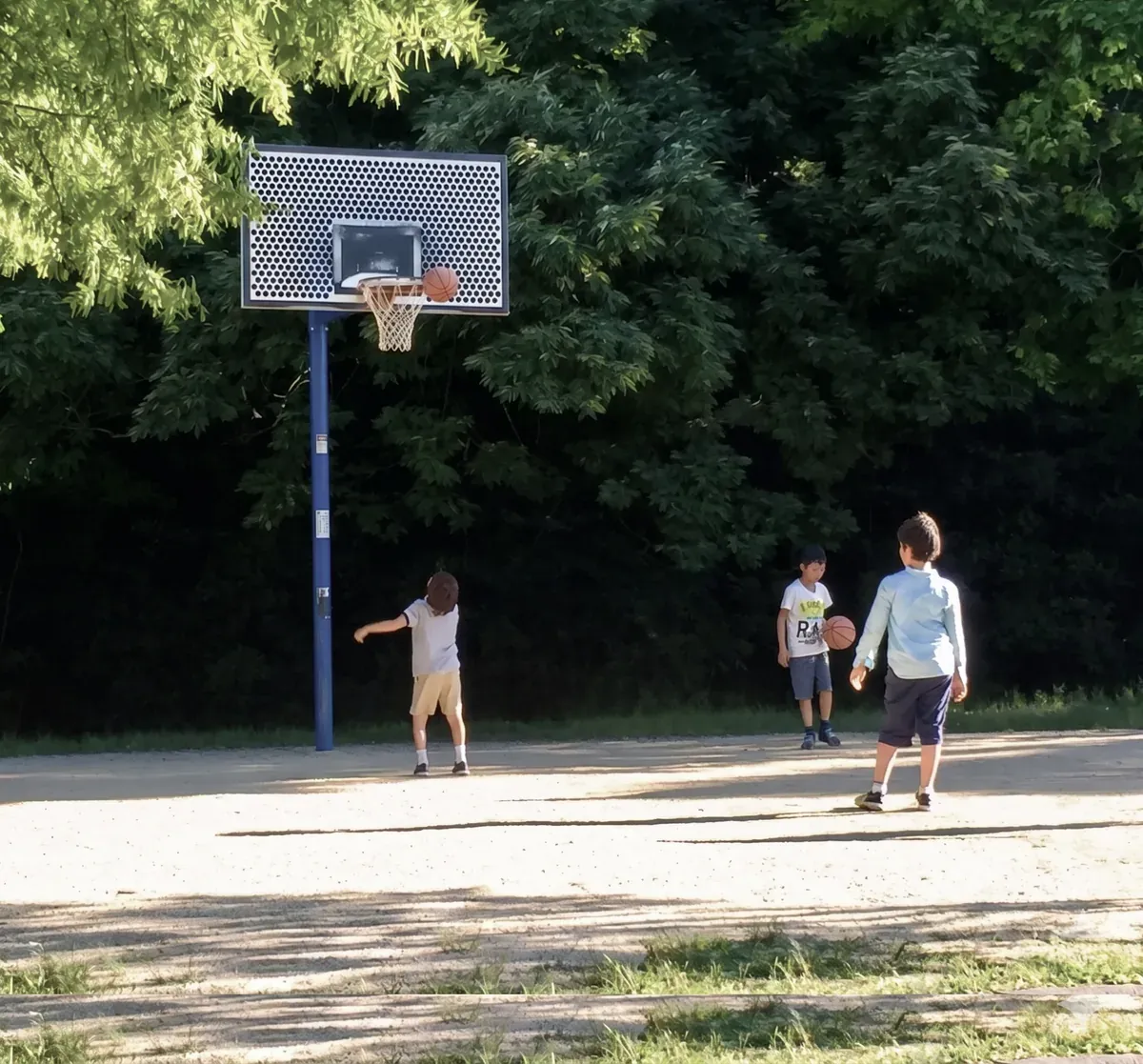
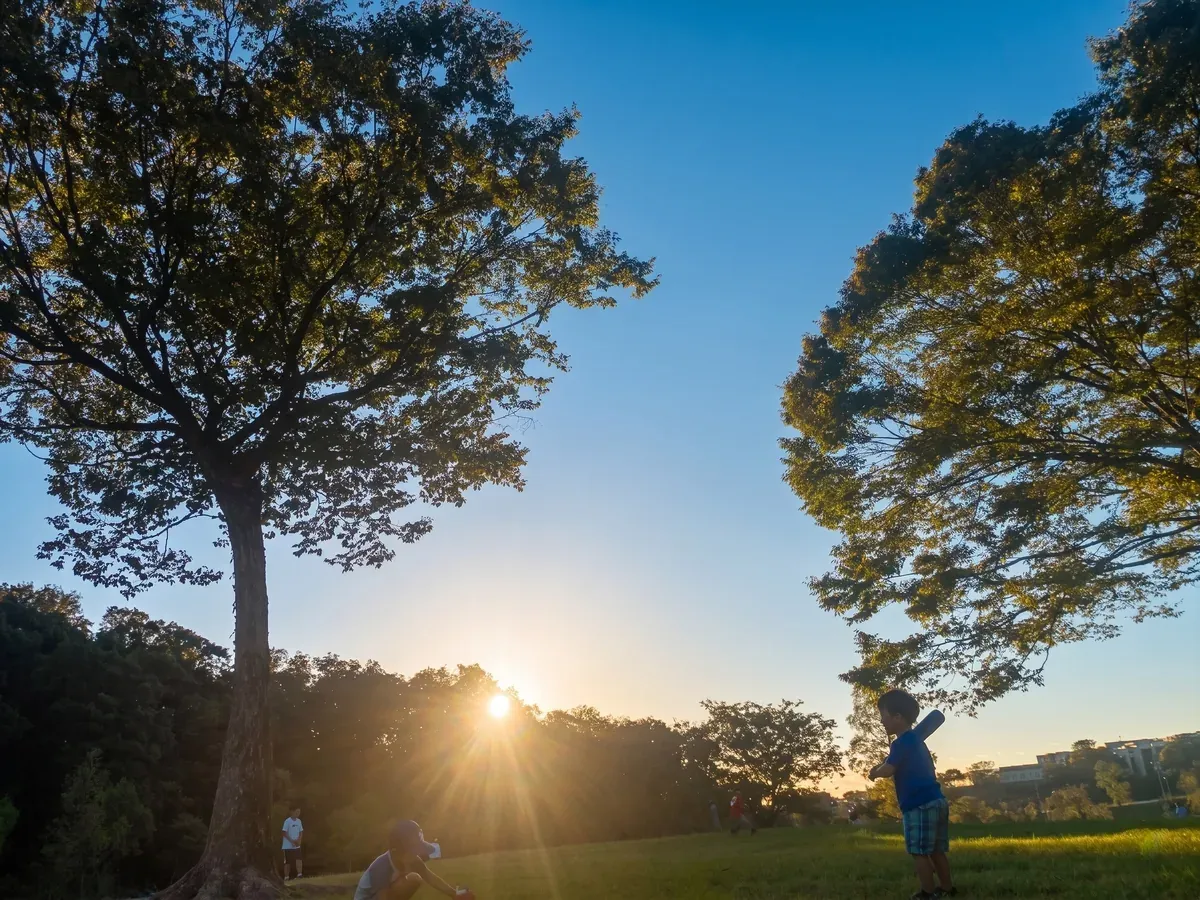
What you notice first is just how open it is. The long green lawn, wide sandy lots where kites go up, basketballs arcing through a hoop, and children who sprint as they chase each other through the grass. There are swing sets and a tiny slide, none of it elaborate.
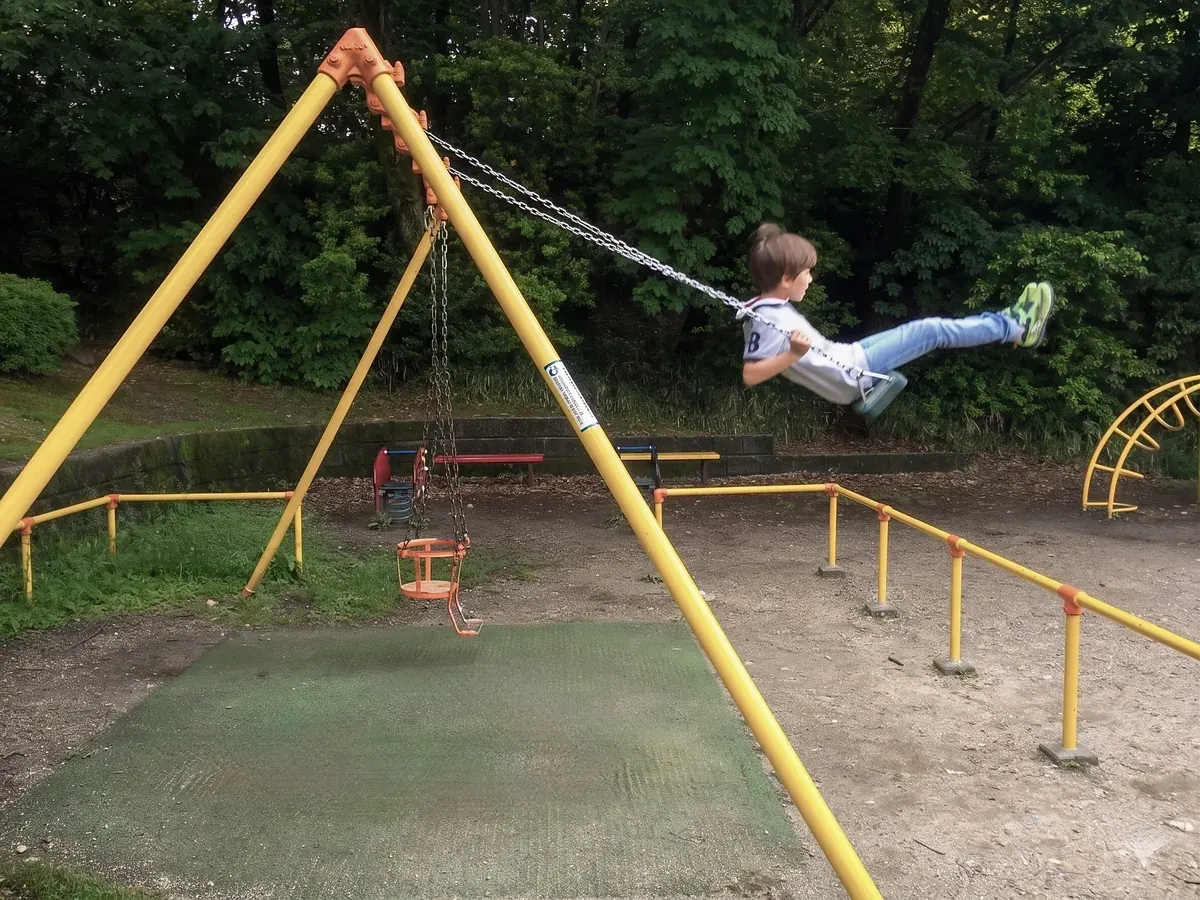
This park isn't about infrastructure or planned entertainment. It is about hanging out. It is about peace. Which is what its name means in Japanese.
Heiwa.
Nekogahora Pond runs along the western edge of the main recreational area. On weekday mornings it belongs to walkers and joggers. People do yoga. Dogs get a walk. The occasional egret passes overhead.
The water's edge has a community of its own — anglers with near-identical gear setups, folding seats, tackle boxes arranged with the kind of precision that signals this is not a casual hobby. But they are not fishing for food.
They are fishing for the peace of catch... and release.
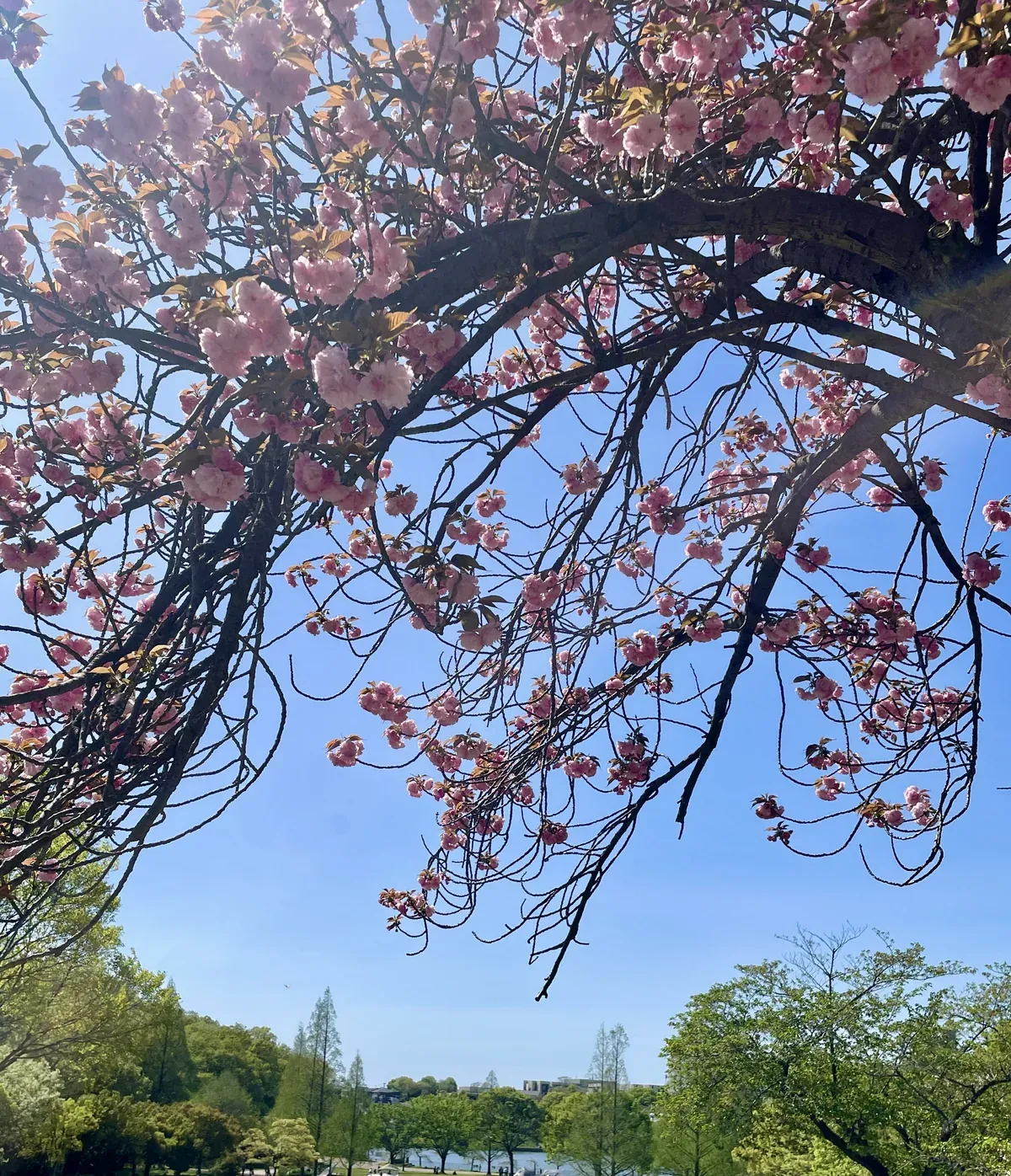
Like other parks, it changes with the seasons, though the variety of flora sets it apart from your regular cityscrape patch of gravel and sand. Spring brings around 1,500 cherry trees including those in the Cherry Orchard – the Sakura no Sono, and weeping double cherry (yae-shidarezakura) trailing over the pond's edge into mid-April.
In autumn the keyaki and trident maple leaves turn red, yellow, and that color existing somewhere between green and amber. The color hangs over the adjacent paths and carves tunnels of shade when the weather is bright.
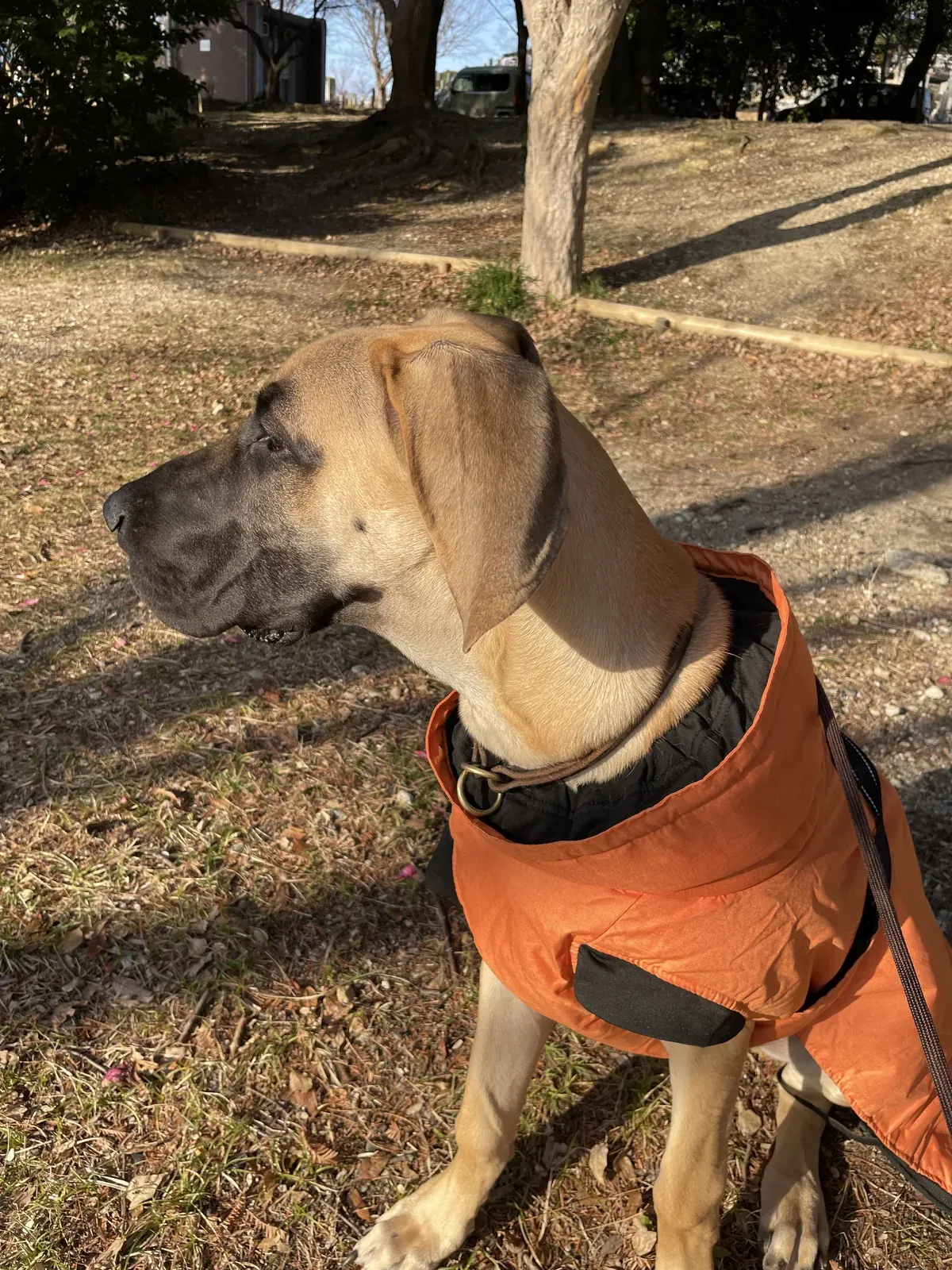
The paved routes have groups of joggers and dog walkers who have rituals of their own. They work the circuitous paths in ambling patterns that give everyone a bit of space. Lunchtime brings housewives and little kids during the week. You will see cars parked along the weaving roads where salarimen take an afternoon nap.
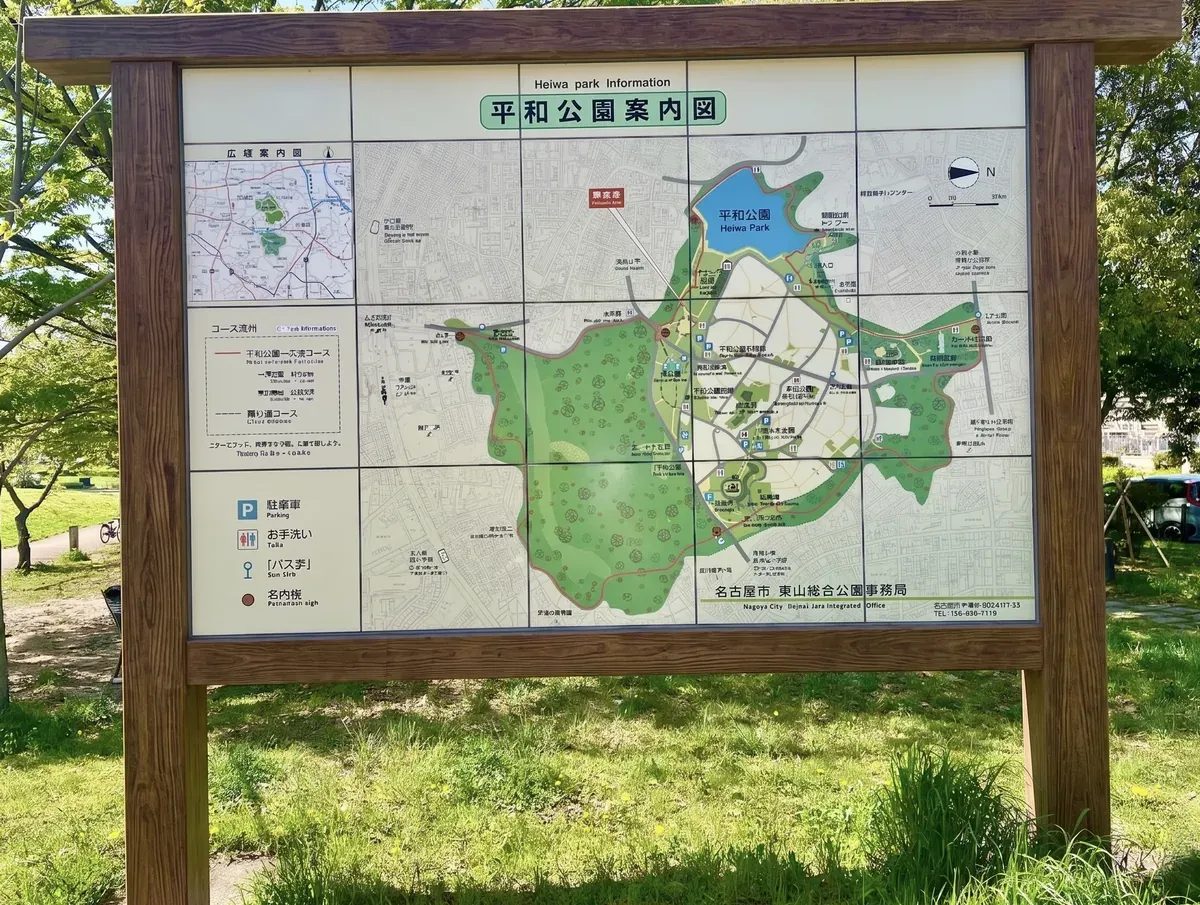
What most weekend visitors don't reach is the south. Behind the main open areas, Heiwa Park extends into hillside woodland — unpaved trails, satoyama-style terrain, paths where the city recedes enough to stop being there. For those up to it, the full walking course is 6.5 km —even more if you're up for going off piste.
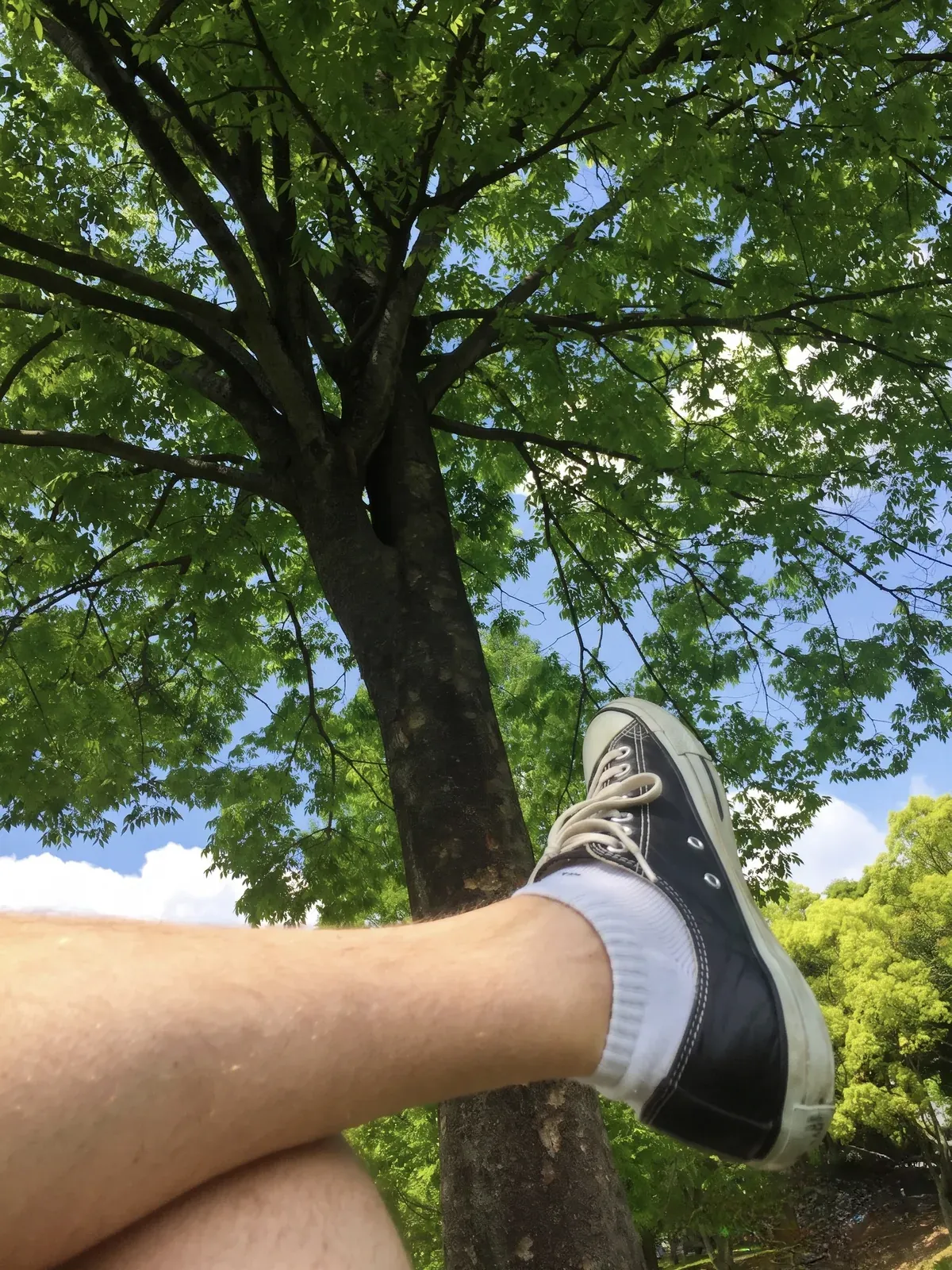
Most people only see a fraction of this place. The Eucalyptus Forest, the wooded slopes, the quieter paths through the park's southern reaches — these exist, and they're largely undisturbed. You can wander as long as you like, and even get lost.
Heiwa Park also incorporates one of Nagoya's major cemetery grounds. The cemetery is present and visible, part of what the name — peace — was built for.
It gives the park a particular quality that 147 hectares alone can't explain. On a good Sunday it fills... but never feels full.
The Details
Heiwa Park
Hours: Open daily
Access
By Subway:
Jiyūgaoka Station (M16) on the Meijo Line is one of the most practical stations for walking access to Heiwa Park. Motoyama Station (H17 / M17) is also an option if you do not mind a longer approach. Some western sections of the park can also be reached from Higashiyama Koen Station (H15).
By Bus:
You can also take the Hoshigaoka 11 city bus from Hoshigaoka Station (H16) or Jiyūgaoka Station (M16) and get off at Heiwa Koen or Heiwa Koen Minami.
By Car:
Parking is available on site.
Good to know:
Heiwa Park is much larger than it first appears. The pond and open lawn area are only one part of it, and reaching the quieter wooded sections can involve a much longer walk than many first-time visitors expect.
 Nagoya Buzz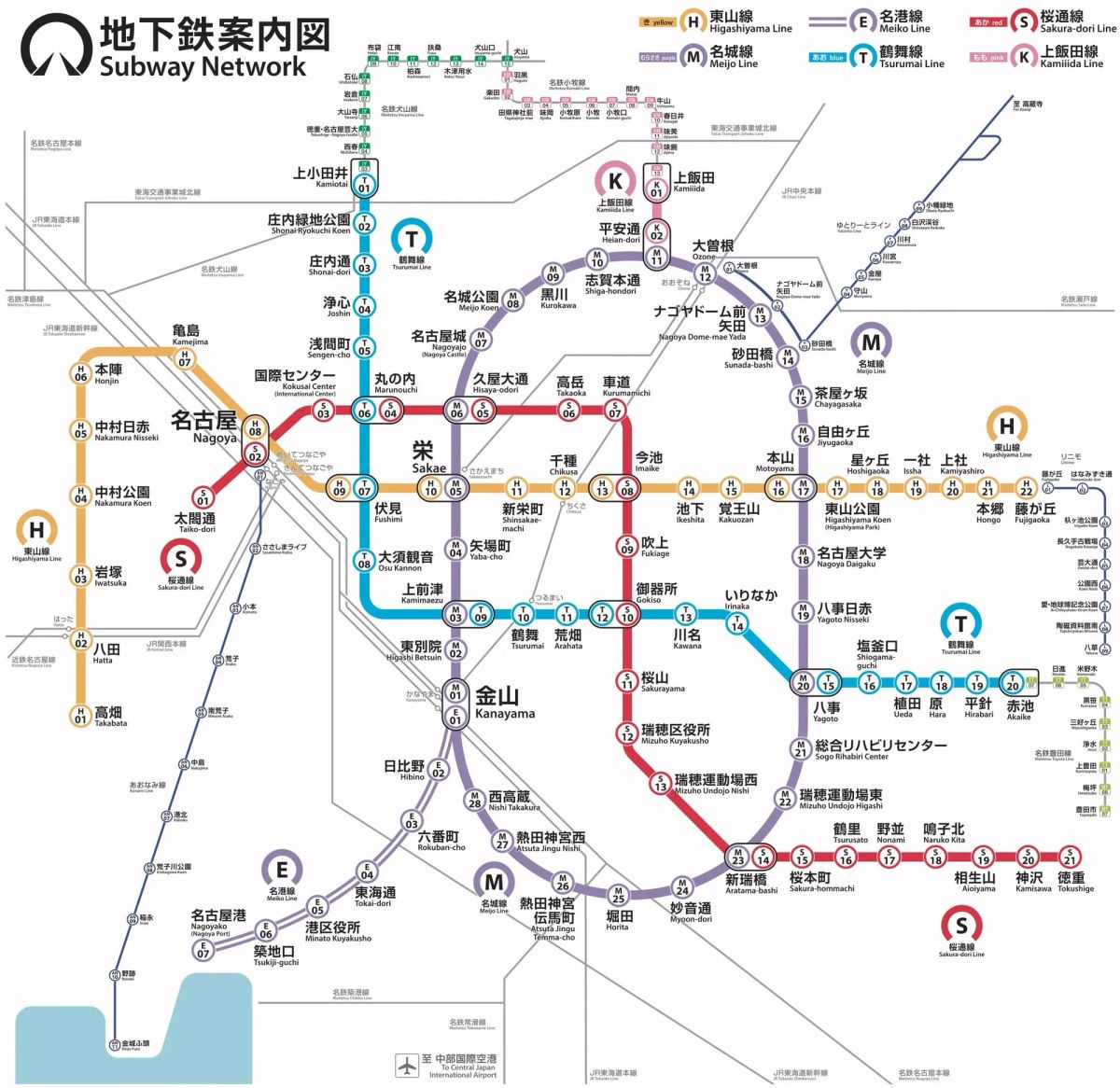
MAP







Leave a Comment